Qualitätswein
Qualitätswein represents a specific quality tier within the German wine classification system, denoting wines that meet regulated standards of production and origin.
Quality Standards and Production
To be labeled as Qualitätswein, wines must originate from one of Germany's 13 designated wine regions and adhere to strict production guidelines. These include minimum must weight requirements, which ensure a base level of ripeness and potential alcohol content. The wines undergo official testing and receive an AP number, confirming they meet all quality and regional criteria.
The production process for Qualitätswein emphasizes traditional grape varieties and winemaking techniques specific to each region. This classification allows for a range of wine styles, from dry (trocken) to off-dry (halbtrocken) and sweet, depending on residual sugar. It serves as a reliable indicator of a wine's origin and adherence to German quality winemaking standards.
Grape Varieties and Regional Focus
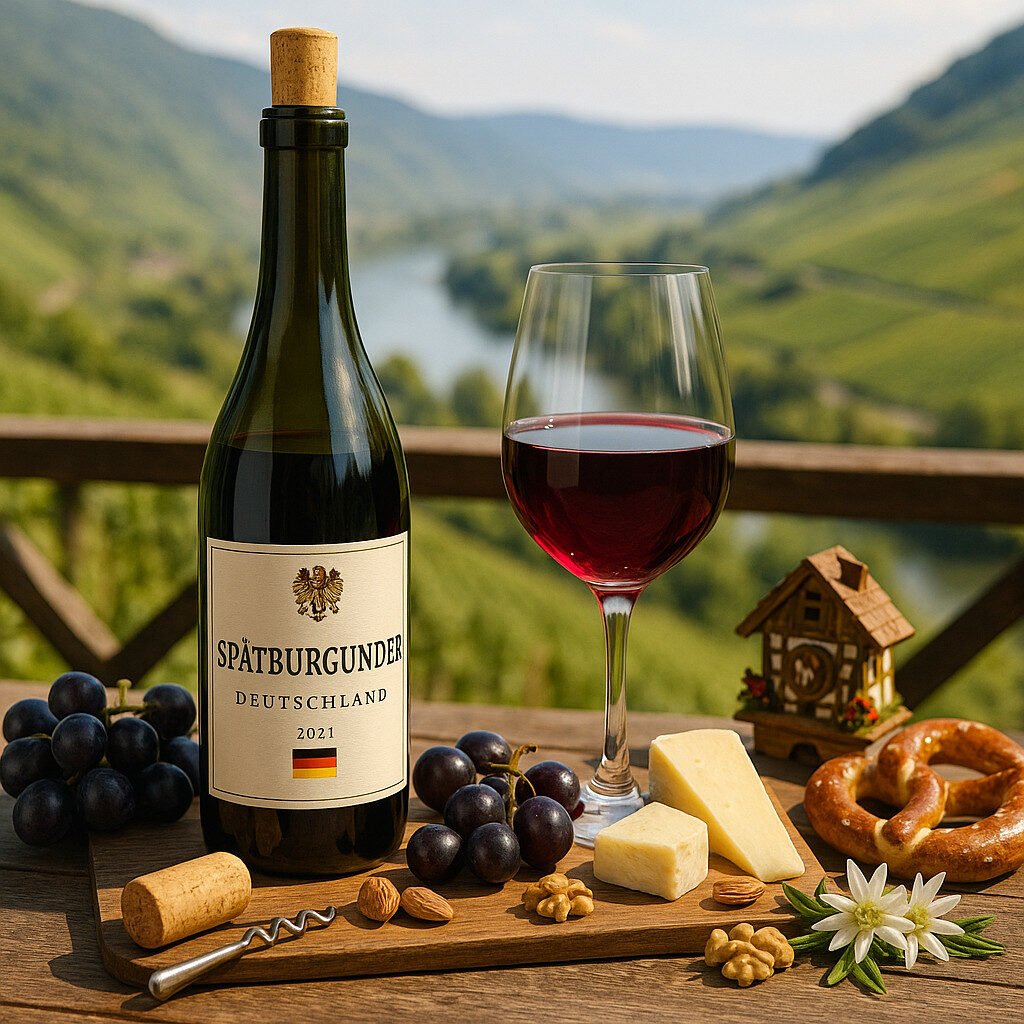
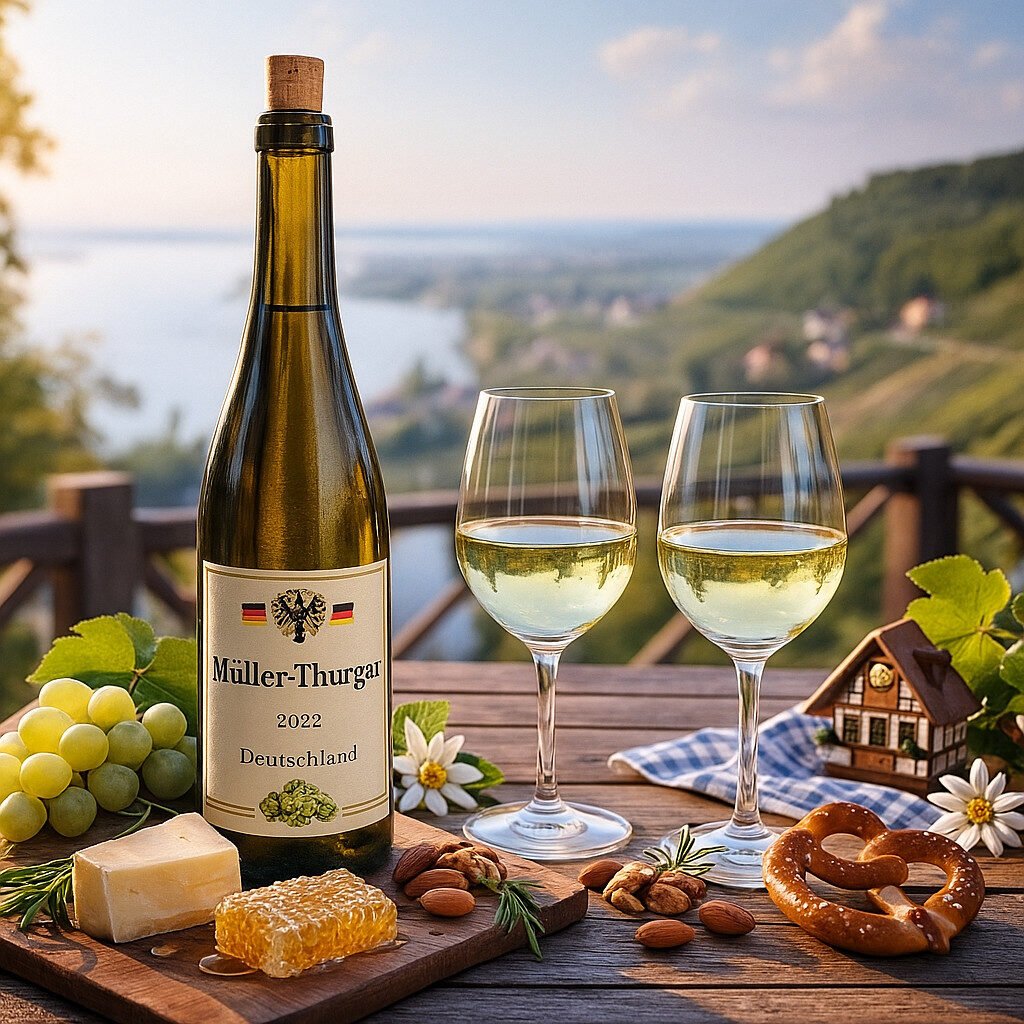
Qualitätswein is produced from a wide array of grape varieties, with Riesling, Müller-Thurgau, and Spätburgunder (Pinot Noir) being among the most prominent. Each region specializes in certain varieties that reflect its unique terroir and climate conditions. For example, the Mosel is renowned for its delicate Rieslings, while Baden excels with rich Spätburgunder wines.
The 13 Qualitätswein regions, such as Rheingau, Pfalz, and Franken, each contribute distinct characteristics to the wines. These regional differences influence the wine's aroma, flavor profile, and structure, offering a diverse tasting experience. Exploring Qualitätswein from various regions allows enthusiasts to appreciate Germany's viticultural diversity.
Tasting Notes and Food Pairing
Qualitätswein typically exhibits balanced acidity, clear fruit expression, and a sense of place reflective of its origin. White Qualitätswein often presents notes of apple, citrus, and stone fruit, while red versions may show red berry, cherry, and subtle spice. The wines are generally approachable, with a focus on drinkability and harmony between fruit, acidity, and sweetness levels.
These wines pair wonderfully with a variety of foods, enhancing both traditional German cuisine and international dishes. A dry Riesling Qualitätswein complements seafood and poultry, while a Spätburgunder pairs excellently with roasted meats and mushroom dishes. The versatility of Qualitätswein makes it a delightful choice for everyday meals and special occasions alike.