
In this article
Malbec of Guatemala
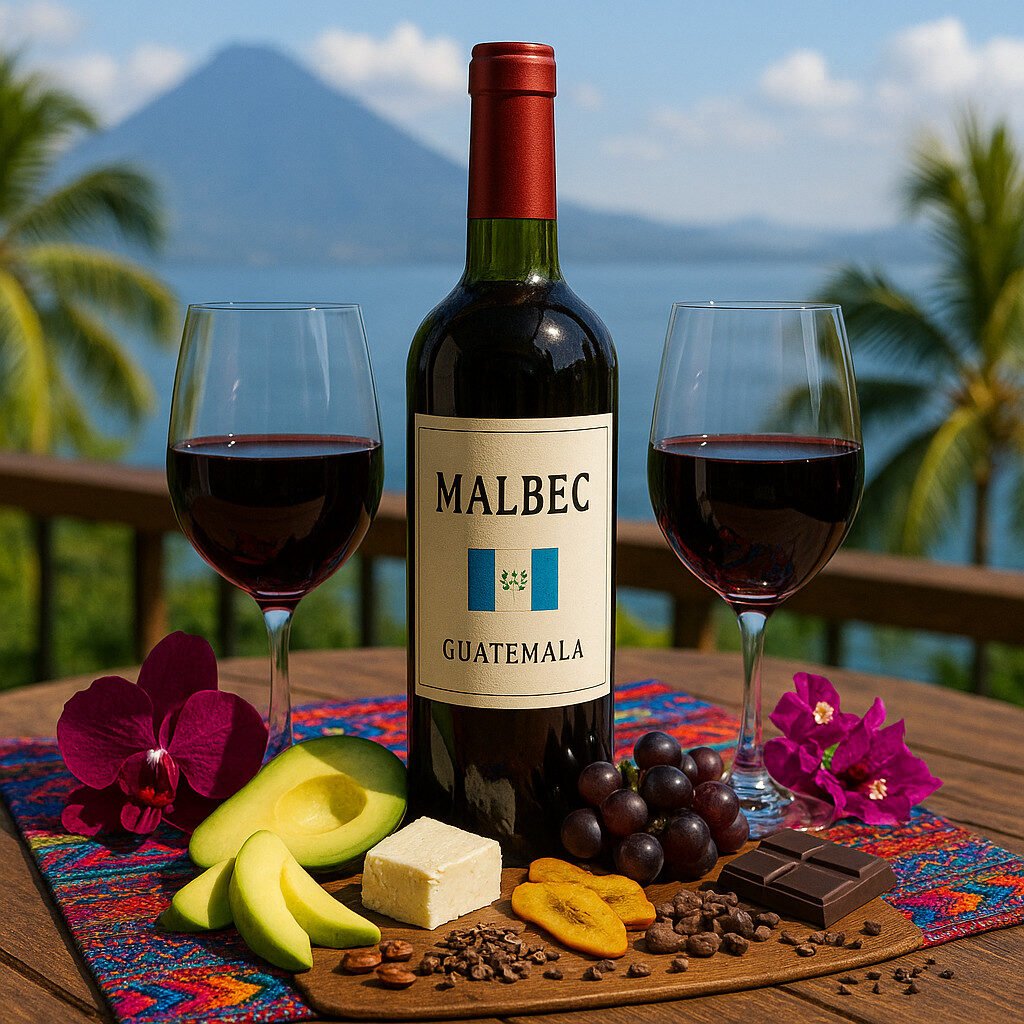
Guatemala’s emerging wine culture focuses on high-altitude vineyards that produce elegant and balanced wines. Malbec plays a significant role in this scene, offering a robust red option that thrives in the volcanic soils and cool climates.
- Colour: Deep ruby with purple hues.
- Wine style: Still red wine.
- Main grape varieties: Malbec.
- Sweetness level: Dry.
- Acidity: Medium to high, around 5-6 g/L.
- Tannin structure: Medium, soft and integrated.
- Alcohol range: 13.5% to 14.5% volume.
- Body: Medium-bodied.
- Typical serving temperature: 16°C to 18°C.
- Protected status: No specific PDO or PGI, but some producers follow sustainable practices.
Guatemalan Malbec typically exhibits ripe black fruit notes like plum and blackberry, complemented by subtle spice from oak aging. The wines often undergo 6 to 12 months of barrel maturation to enhance complexity without overpowering the fruit. They are best enjoyed young, within 3 to 5 years of the vintage, to appreciate their freshness and vitality.
Test Your Knowledge:
Where and How Malbec Is Made in Guatemala
Malbec in Guatemala is primarily cultivated in high-altitude regions such as the Antigua Valley and areas near Lake Atitlán. These zones benefit from volcanic soils, ample sunlight, and cool temperatures due to elevations over 1,500 meters, which promote slow ripening and acid retention. The production philosophy emphasizes minimal intervention to allow the terroir to express itself clearly in the wine.
- Vineyard work: Pruning and canopy management occur during the dry season from November to February to ensure optimal sun exposure and air circulation.
- Grape selection: Hand-harvesting takes place in March or April when sugar levels reach 23-25 Brix, with careful sorting to remove imperfect berries.
- Harvest: Grapes are picked in the early morning to maintain cool temperatures and preserve acidity and aromatic compounds.
- Destemming and crushing: Berries are destemmed and lightly crushed to avoid excessive tannin extraction, using equipment that minimizes oxidation.
- Maceration: Cold soaking lasts 24-48 hours at 8-10°C to gently extract color and primary fruit aromas before fermentation.
- Fermentation: Conducted in stainless steel tanks at controlled temperatures of 25-28°C for 7-10 days, often with selected yeast strains to ensure consistency.
- Malolactic fermentation: This process is typically induced and occurs in tanks or barrels, softening the acidity by converting malic acid to lactic acid over 2-4 weeks.
- Maturation: Wine is aged in French or American oak barrels for 6-12 months, with some producers using neutral oak to emphasize fruit character.
- Clarification: Light fining with agents like bentonite or egg whites is followed by filtration to stabilize the wine without stripping flavor.
- Bottling: After aging, the wine is bottled, and may rest further in bottle for several months before release to integrate components.
Traditional methods often involve extended maceration and longer oak aging, resulting in richer, more structured Malbecs. Modern producers may use temperature-controlled fermentation and shorter oak contact for fresher, fruit-driven styles, while artisanal wineries focus on organic practices and handcrafted techniques to highlight regional uniqueness.
Flavor Profile: What Makes Malbec from Guatemala Special?
Guatemalan Malbec presents a deep ruby color with moderate viscosity that coats the glass. Its aroma profile bursts with black cherry, plum, and hints of violet, often accented by subtle spice from oak aging. The palate is balanced by medium acidity and soft tannins, leading to a smooth, fruit-forward finish that reflects the high-altitude growing conditions.
Factors like the cool climate and volcanic soils contribute to the wine’s vibrant acidity and concentrated fruit flavors. Oak treatment, typically for 6-12 months, introduces notes of vanilla and cedar without overwhelming the core fruit character. The overall body is medium, making it versatile and approachable, with a finish that lingers on dark berry and earthy undertones.
Quality Labels and Certifications of Malbec from Guatemala
As far as current information suggests, Malbec from Guatemala does not have specific protected designations of origin like PDO or PGI. The country’s wine industry is still developing, with quality assurance primarily driven by individual producer standards and voluntary certifications. Some wineries may adhere to basic national regulations for alcohol production, but there is no unified appellation system for wine as of now.
As far as can be verified at present, a few producers might pursue organic or sustainability labels, such as those aligned with international standards, to appeal to eco-conscious markets. However, these certifications are not widespread, and consumers should look for producer-specific information on farming practices. The lack of formal labels means that quality varies, with artisanal makers often emphasizing traceability and environmental stewardship in their Malbec production.
Cheese Pairings
Malbec from Guatemala pairs excellently with semi-hard cheeses like Queso Fresco or Edam, which have moderate fat content that complements the wine’s acidity. The saltiness of these cheeses balances the fruitiness of the Malbec, enhancing its dark berry notes and smooth tannins. Local Guatemalan cheeses, often fresh and mild, allow the wine’s vibrant character to shine without overpowering the palate.
Internationally, aged Gouda or Manchego work well due to their nutty flavors that contrast with the wine’s plum and spice elements. The tannins in Malbec cut through the richness of fatty cheeses, making it ideal for cheese boards with varieties like blue cheese or brie. In cooked dishes, incorporating Malbec into sauces for cheese-based pastas or gratins can elevate the pairing by melding the wine’s structure with creamy textures.
Suitable Regional Fruit and Vegetables
Fresh fruits like mango and pineapple from Guatemala’s tropical climate pair surprisingly well with Malbec, as their sweetness offsets the wine’s dryness and highlights its fruit notes. Grilled vegetables such as bell peppers and zucchini bring out earthy undertones in the wine, while their slight char complements the oak influences. In salads, bitter greens like arugula or radicchio can be balanced by the wine’s acidity and dark fruit profile, creating a refreshing combination.
Dried fruits like figs or dates add a textural contrast and sweetness that enhance Malbec’s plum and spice characteristics. Cooked dishes featuring root vegetables like sweet potatoes or yams amplify the wine’s body and subtle earthy notes, especially when roasted with herbs. Tomatoes, with their natural acidity, make a good match in salsas or stews, as they mirror the wine’s vibrancy and help cleanse the palate between sips.
Suitable Meat and Fish dishes
Malbec from Guatemala complements grilled beef or pork dishes, where the charred flavors align with the wine’s smoky oak notes and robust structure. Stews with slow-cooked meats, such as Guatemalan pepián, allow the wine’s tannins to soften and integrate with the rich, spiced sauces. Charcuterie plates featuring salami or chorizo are classic pairings that highlight the wine’s versatility and fruit-forward nature.
For fish, grilled salmon or tuna can work if prepared with robust accompaniments like herb sauces, as the wine’s medium body stands up to the oiliness. In hot dishes, pasta with meat ragù or casseroles incorporating ground beef benefit from Malbec’s acidity and dark fruit flavors. Cold servings like beef carpaccio or ceviche-style fish can also pair well, provided the wine is slightly chilled to enhance its freshness against the dish’s textures.
Malbec from Guatemala: Questions and Answers
How should I store Malbec from Guatemala?
Store Malbec from Guatemala in a cool, dark place at 12-14°C, with consistent humidity and minimal vibration. Keep the bottle horizontal if corked to maintain cork moisture. Proper storage helps preserve the wine’s fruit intensity and structure for several years.
What is the ideal serving temperature for Malbec from Guatemala?
The ideal serving temperature for Malbec from Guatemala is 16-18°C. This range allows the wine to express its fruit aromas and soft tannins fully. Serving it too warm can emphasize alcohol, while too cold may mute its flavors.
Should I decant Malbec from Guatemala?
Decanting Malbec from Guatemala for 30-60 minutes before serving can enhance its aromas and soften any youthful tannins. This process is especially beneficial for younger vintages to open up the wine’s complexity. However, older bottles may not require decanting to avoid over-oxidation.
How long can I age Malbec from Guatemala?
Malbec from Guatemala can age well for 3-5 years in proper storage conditions. The wine’s acidity and tannin structure support short-term aging, developing more integrated flavors over time. Most examples are best consumed within this period to enjoy their vibrant fruit character.
What foods pair best with Malbec from Guatemala?
Foods that pair best with Malbec from Guatemala include grilled meats, hard cheeses, and dishes with earthy vegetables. The wine’s medium body and acidity complement rich flavors without overpowering them. Avoid very spicy or sweet dishes to maintain balance with the dry profile of Malbec from Guatemala.
Can I chill Malbec from Guatemala?
Lightly chilling Malbec from Guatemala to around 14-16°C can enhance its drinkability in warm weather. This slight coolness emphasizes the wine’s freshness and fruit notes. Avoid over-chilling, as it may dull the aromas and tannins of Malbec from Guatemala.
Where can I buy Malbec from Guatemala?
You can buy Malbec from Guatemala through specialty wine shops, online retailers, or directly from Guatemalan wineries. Availability may be limited outside Central America, so check importers focusing on Latin American wines. Look for recent vintages to ensure quality in Malbec from Guatemala.
How long does Malbec from Guatemala last after opening?
Malbec from Guatemala lasts 3-5 days after opening if resealed and stored in a cool place. Use a wine preserver to extend its life by reducing oxidation. The wine’s fruit flavors may fade over time, so consume it promptly for best enjoyment.
What is the alcohol content of Malbec from Guatemala?
The alcohol content of Malbec from Guatemala typically ranges from 13.5% to 14.5% by volume. This level contributes to the wine’s medium body and smooth mouthfeel. It aligns with the balance sought in high-altitude winemaking for Malbec from Guatemala.
Are there any specific vintages to look for in Malbec from Guatemala?
Look for recent vintages like 2021 or 2022 in Malbec from Guatemala, as they showcase the current style with fresh fruit and good acidity. Vintage variation is minimal due to consistent high-altitude conditions, but newer releases often reflect improved winemaking techniques. Always check producer notes for specific recommendations on Malbec from Guatemala.
Similar Wines and Alternatives
Malbec from Guatemala shares similarities with Malbec from Argentina, but it often has higher acidity and a lighter body due to Guatemala’s cooler high-altitude climate. Other alternatives include Merlot from Chile or Syrah from Australia, which offer comparable fruit intensity and medium tannin structures. These wines are generally dry and versatile with food, making them suitable substitutes for those exploring similar profiles.
In terms of availability and price, Guatemalan Malbec may be less common internationally but can be found in specialty stores at moderate price points. Compared to French Cahors Malbec, the Guatemalan version is fruitier and less tannic, appealing to drinkers who prefer a smoother, more approachable style. For budget-friendly options, consider Malbec from Uruguay or Bolivia, which also highlight unique terroir differences while maintaining the grape’s characteristic dark fruit notes.