Guatemalan Malbec: Taste and Production
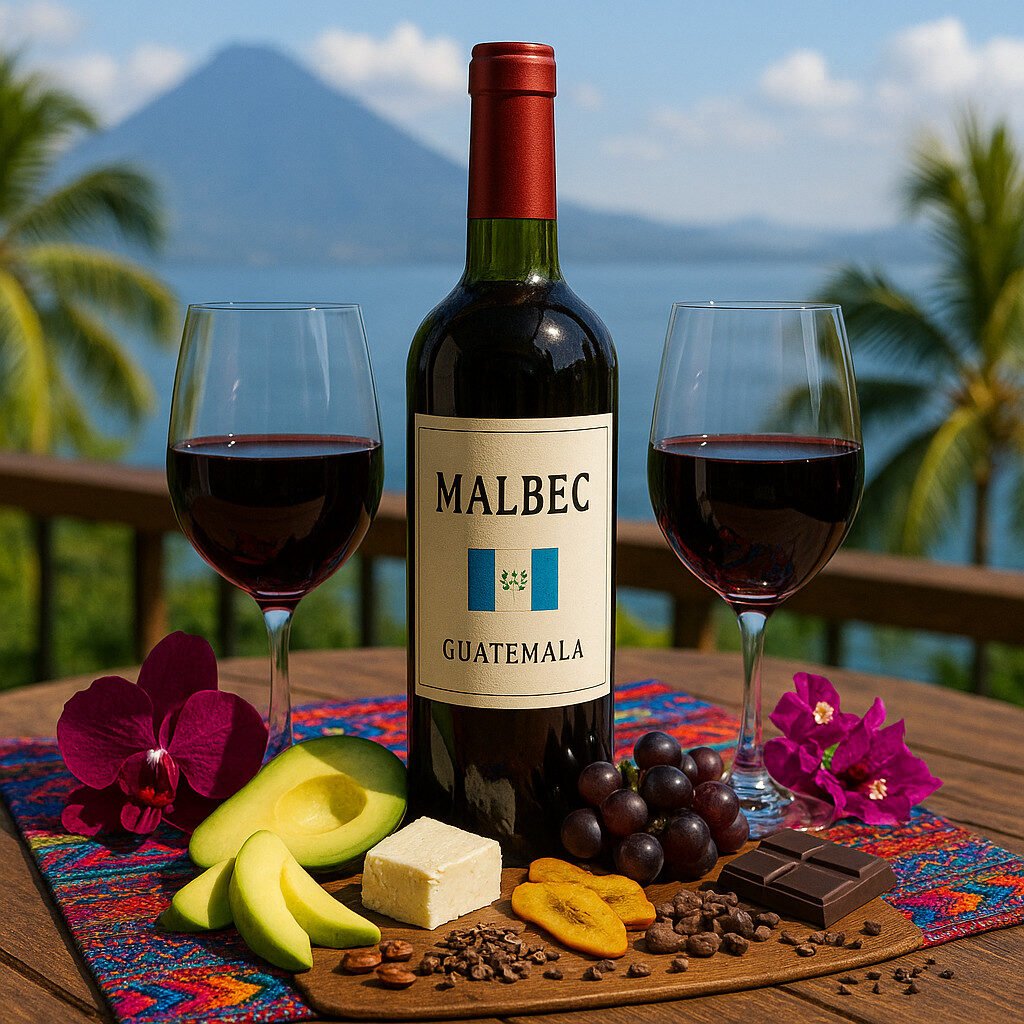
Discover Guatemalan Malbec, a bold red wine with rich flavors and smooth finish. Perfect for any occasion.
Guatemalan Malbec: Taste and Production Read More »

Part of the MyCheese.org Network
Part of the MyCheese.org Network
American oak is a popular wood used in winemaking for aging wines, imparting distinct flavors and textures that differ from other oak types like French or Hungarian.
Wines aged in American oak often exhibit bold notes of vanilla, coconut, and sweet spices. These flavors come from the oak's unique compounds, which are more pronounced due to the wood's looser grain. This results in a richer, sweeter aromatic profile compared to European oaks.
Additionally, American oak can contribute to a smoother, creamier mouthfeel in wines. It tends to integrate quickly, making it a favorite for wines intended for earlier consumption. The overall effect is a wine that feels round and approachable with noticeable oak influence.
American oak is frequently used in aging robust red wines such as Cabernet Sauvignon, Zinfandel, and Syrah, particularly in regions like California and Australia. Its strong character complements fruit-forward styles, enhancing their structure without overpowering them. Many New World winemakers prefer it for its consistent and impactful results.
It is also employed in some white wines, like Chardonnay, to add depth and complexity. The oak's sweet and creamy notes can balance the wine's acidity and fruitiness. This versatility makes it a valuable tool in crafting diverse wine styles across varietals.
The use of American oak can define a wine's style, often leading to bolder, more opulent expressions. It encourages a fuller body and can soften tannins, making wines feel more supple and drinkable in their youth. This approach appeals to consumers who enjoy pronounced oak characteristics.
However, overuse may lead to wines that are overly oaky, masking the grape's natural flavors. Winemakers must carefully manage toast levels and aging time to achieve balance. When used judiciously, American oak elevates the wine, adding complexity and a signature New World flair.
Discover Guatemalan Malbec, a bold red wine with rich flavors and smooth finish. Perfect for any occasion.
Guatemalan Malbec: Taste and Production Read More »