
Grenadian Rosé: A Caribbean Wine Style

Grenadian Rosé offers a refreshing taste of the Caribbean with its vibrant, fruity character and crisp, dry finish from the island of Grenada.
Grenadian Rosé: A Caribbean Wine Style Read More »
Grenadian Rosé offers a refreshing taste of the Caribbean with its vibrant, fruity character and crisp, dry finish from the island of Grenada.
Grenadian Rosé: A Caribbean Wine Style Read More »

Discover Guyana Chardonnay, a tropical white wine from Guyana offering rich, fruity flavors and a smooth, vibrant character.
Guyana Chardonnay: A Tropical White Wine Read More »
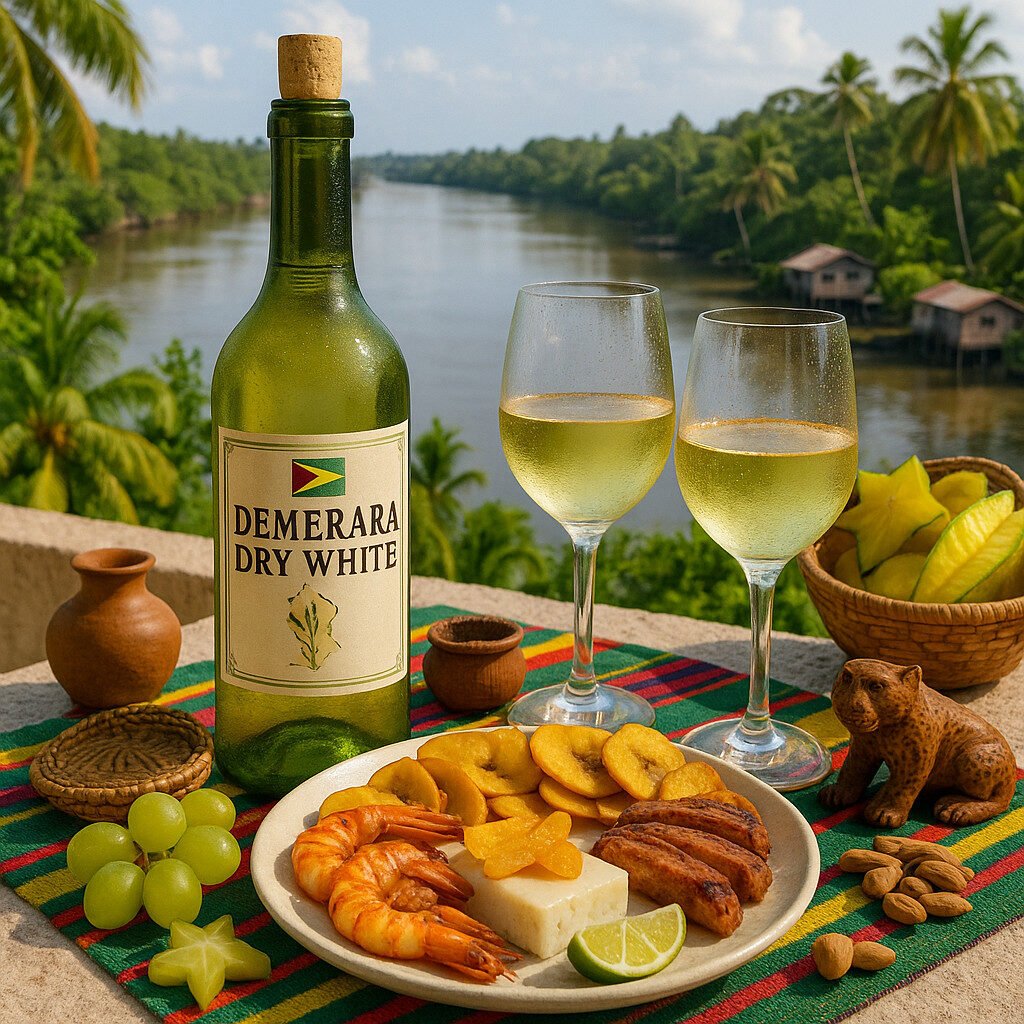
Discover Demerara Dry White from Guyana, a crisp and refreshing wine with tropical fruit notes and a clean, zesty finish.
Demerara Dry White: A Crisp Guyanese Wine Read More »
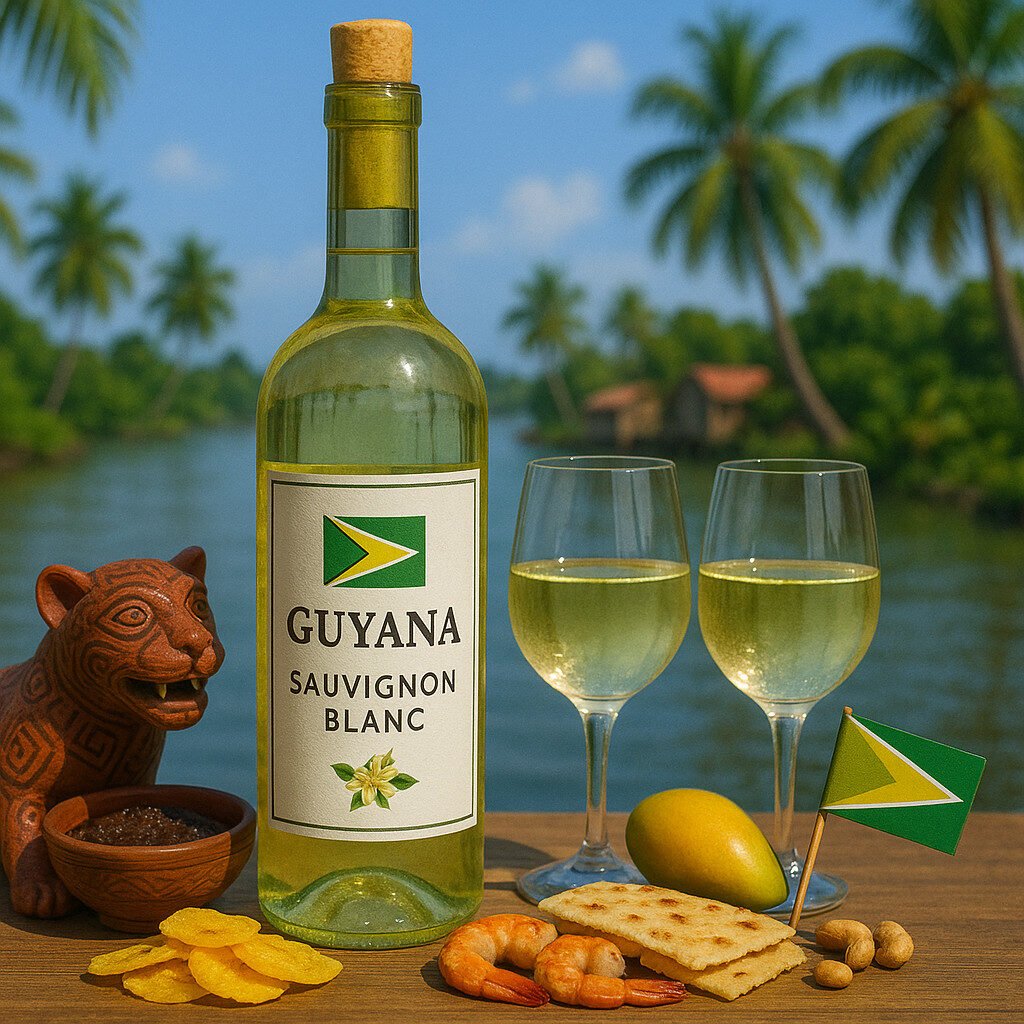
Discover Guyana Sauvignon Blanc, a vibrant white wine from Guyana with zesty citrus notes and a crisp, refreshing finish.
Guyana Sauvignon Blanc: A Crisp Taste of Guyana Read More »
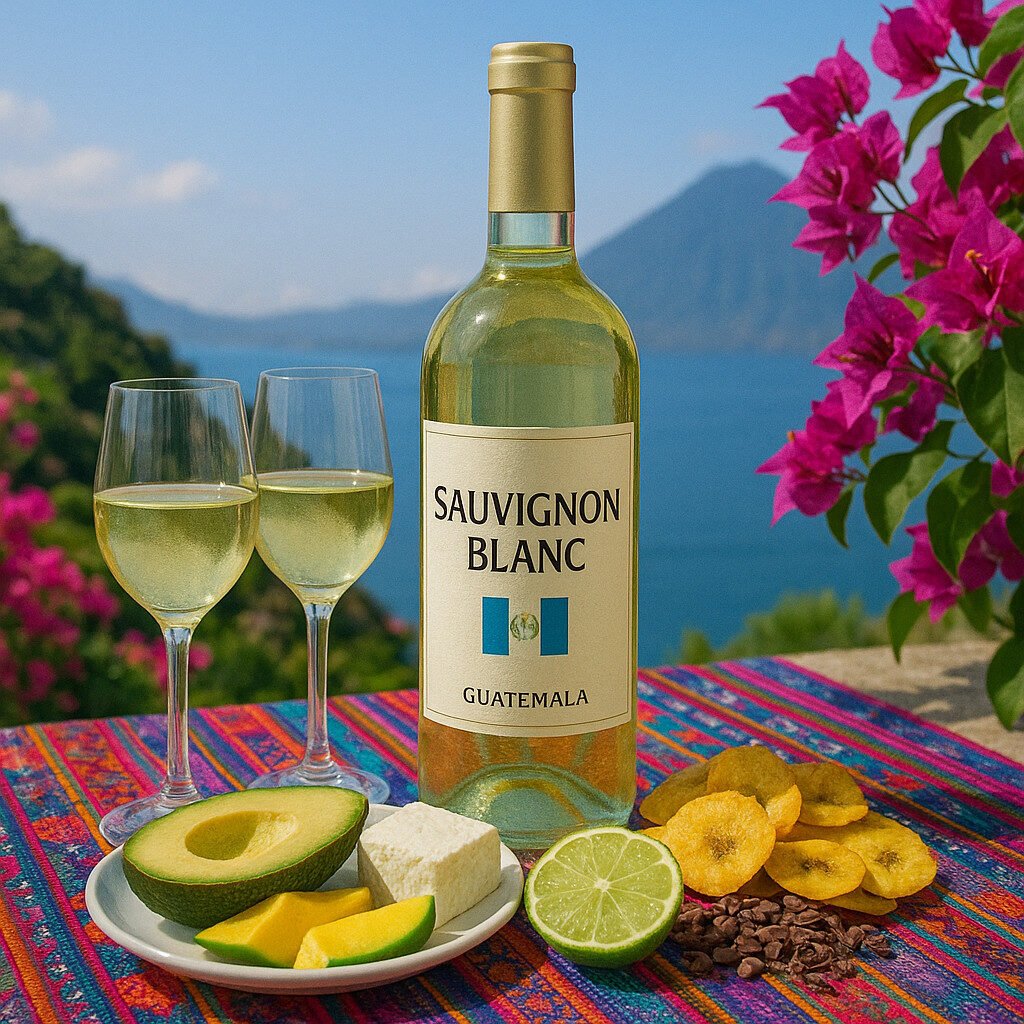
Discover Guatemala’s Sauvignon Blanc, a crisp white wine with vibrant citrus notes and refreshing acidity. Perfect for any occasion.
Sauvignon Blanc Guatemala: Taste and Varieties Read More »