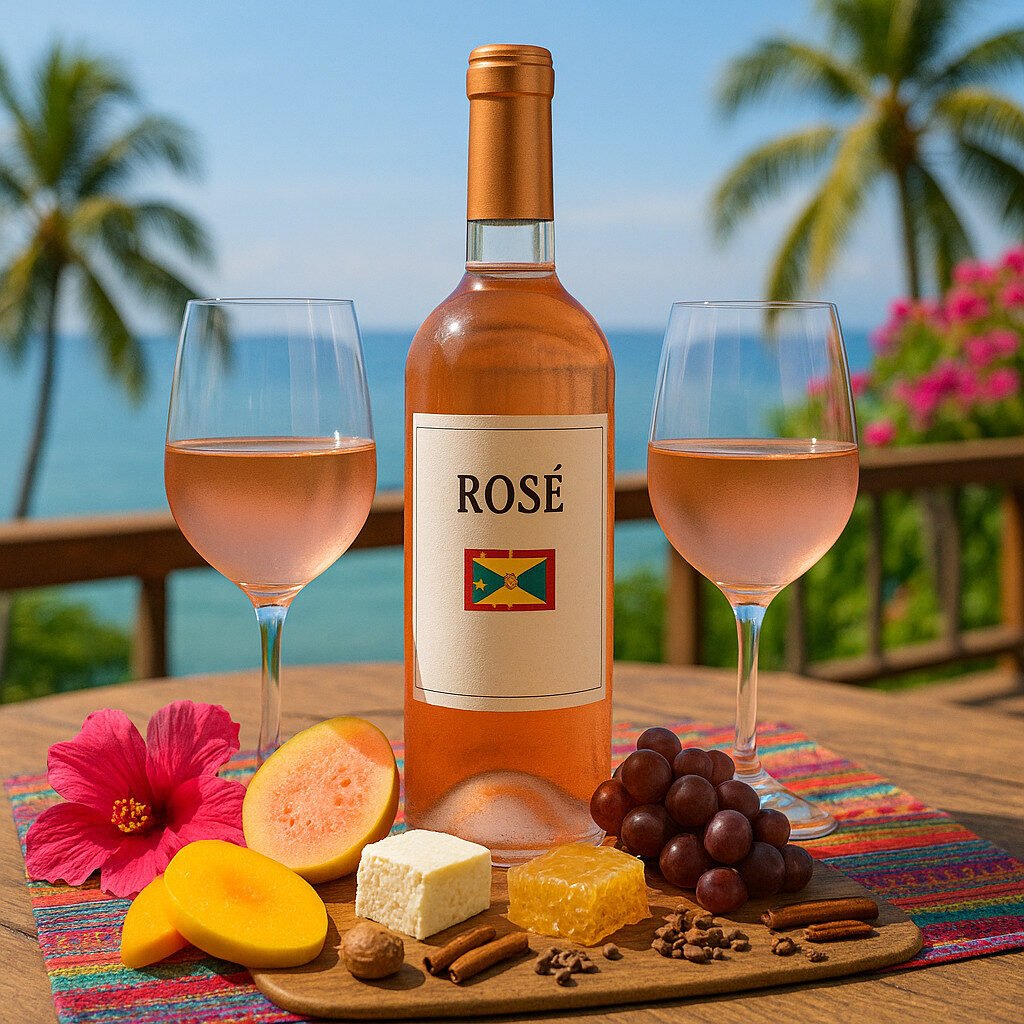
Rosé
Rosé wine has surged in popularity for its refreshing character and versatility, offering a spectrum of styles from pale and dry to fruity and off-dry.
Grape Varieties
Many grape varieties can produce rosé, with Grenache, Syrah, and Pinot Noir being among the most common. These grapes contribute different flavor profiles, from the strawberry notes of Grenache to the spice of Syrah. Winemakers may also use blends to achieve complexity and balance in the final wine.
Other popular choices include Sangiovese for Italian rosatos and Cinsault for lighter Provençal styles. The choice of grape influences the wine's color, aroma, and taste significantly. Each variety brings its unique characteristics, allowing for a wide range of rosé expressions.
Wine Regions
Provence in France is renowned for its pale, dry rosés that set the standard globally. These wines often feature delicate flavors of citrus and melon with a crisp finish. The region's sunny climate and limestone soils are ideal for producing high-quality rosé.
Other notable regions include Spain's Navarra and Italy's Puglia, each offering distinct styles. California and Australia also produce excellent rosés, often with riper fruit flavors. These areas showcase how terroir and winemaking traditions shape rosé's diversity.
Tasting and Pairing
Rosé wines typically exhibit fresh red fruit flavors like strawberry, watermelon, and raspberry. They often have bright acidity and a clean, dry or slightly sweet finish. The best examples are balanced and refreshing, making them perfect for warm weather.
Pair rosé with a variety of foods, from salads and seafood to grilled chicken and light pasta dishes. Its acidity cuts through rich flavors, while its fruitiness complements spicy cuisine. This adaptability makes rosé an excellent choice for many dining occasions.