
In this article
Sauvignon Blanc of Guatemala
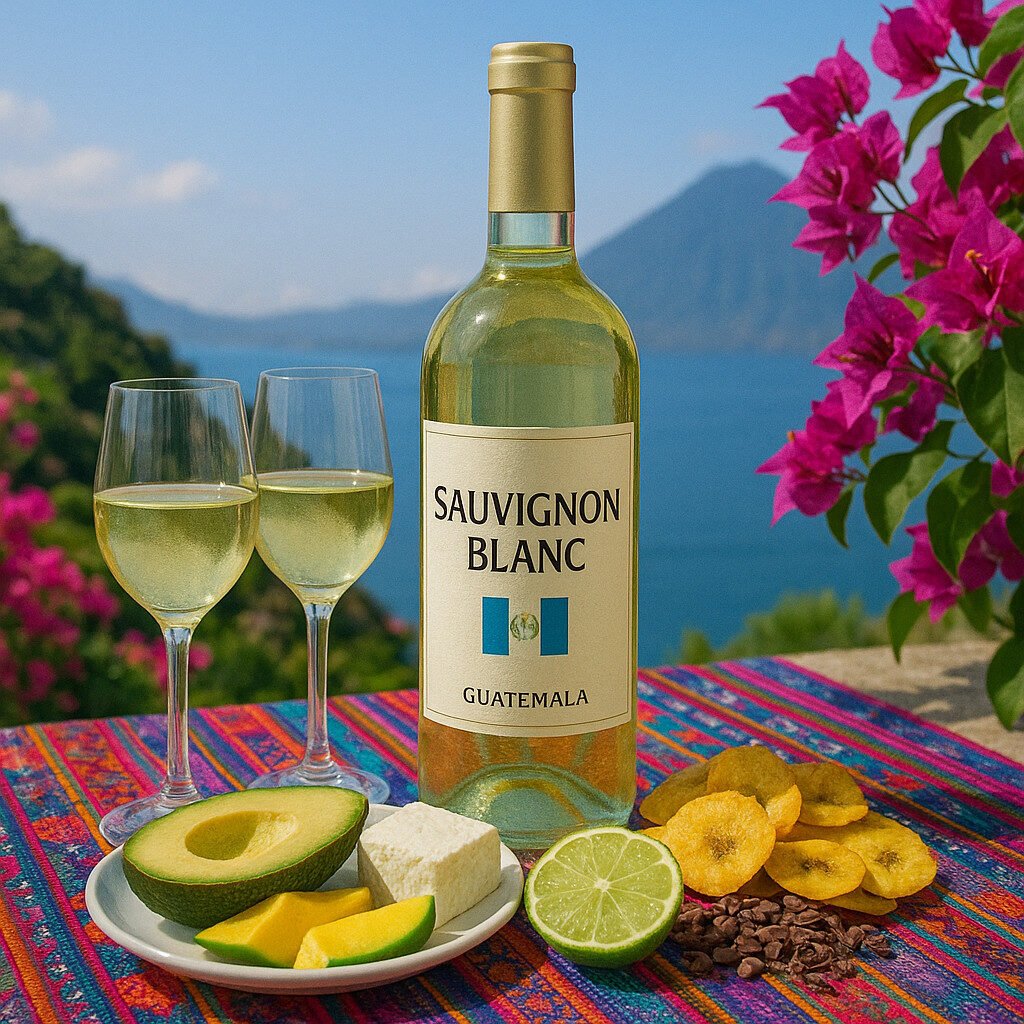
Guatemala’s wine culture is a growing niche within Central America, focusing on quality over quantity in its volcanic highlands. Sauvignon Blanc thrives here, offering a fresh and aromatic profile that reflects the region’s cool climate.
- Colour: Pale straw with green reflections.
- Wine style: Still white wine.
- Main grape varieties: Sauvignon Blanc.
- Sweetness level: Dry.
- Acidity: High.
- Tannin structure: Low.
- Alcohol range: 12 to 13.5% vol.
- Body: Light to medium.
- Typical serving temperature: 8 to 10°C.
- Protected status: None as far as current information suggests.
Guatemalan Sauvignon Blanc typically exhibits intense aromas of grapefruit, lime, and fresh-cut grass due to the cool nights in the highlands. The wine’s high acidity provides a crisp backbone that enhances its food-pairing versatility. Many producers use stainless steel fermentation to preserve the vibrant fruit character and minimal oak influence.
Test Your Knowledge:
Where and How Sauvignon Blanc Is Made in Guatemala
Sauvignon Blanc in Guatemala is primarily cultivated in the high-altitude regions such as the Antigua Valley and areas around Lake Atitlán, where volcanic soils dominate. The climate features warm days and cool nights, which help retain acidity and develop complex aromatics in the grapes. Most winemakers embrace a philosophy of minimal intervention to highlight the pure expression of the terroir.
- Vineyard work involves careful canopy management and drip irrigation to control vigor, with harvest typically occurring from January to March.
- Grape selection is done by hand to ensure only healthy bunches are picked, often early in the morning to preserve freshness.
- Harvest is manual, targeting grapes with a sugar level of 19 to 21 Brix and high acidity.
- Destemming and crushing are gentle to avoid bitterness, with minimal skin contact lasting 2 to 6 hours.
- Maceration is brief and cold, at 8 to 12°C, to extract delicate aromas without harsh phenolics.
- Fermentation occurs in stainless steel tanks at 14 to 18°C for 10 to 15 days, using selected yeast strains.
- Malolactic fermentation is usually prevented to maintain the wine’s crisp acidity and fresh profile.
- Maturation takes place in stainless steel or neutral vessels for 3 to 6 months on fine lees for texture.
- Clarification involves light fining or filtration before bottling to achieve brilliance.
- Bottling happens under inert gas to protect against oxidation, with wines released young.
Traditional methods in Guatemala often involve longer lees contact and no oak, while modern approaches might include temperature-controlled fermentations for consistency. Artisanal producers focus on hand-harvesting and native ferments, whereas mass-market versions may use mechanized harvesting and additives for stability.
Flavor Profile: What Makes Sauvignon Blanc from Guatemala Special?
Guatemalan Sauvignon Blanc displays a pale straw color with slight green tints and good viscosity that coats the glass. Its aroma profile bursts with notes of passion fruit, lime zest, and fresh herbs like lemongrass, influenced by the cool climate and volcanic soils. The palate is dry with high acidity, a light body, and a clean finish that lingers with citrus and mineral undertones.
Factors such as the high-altitude vineyards contribute to the wine’s intense fruit flavors and crisp acidity. The absence of oak treatment allows the pure grape character to shine, emphasizing zesty citrus and tropical fruit notes. This results in a refreshing wine that is best enjoyed young to capture its vibrant and linear structure.
Quality Labels and Certifications of Sauvignon Blanc from Guatemala
As far as can be verified at present, Guatemala does not have established protected designations of origin for wine like PDO or PGI. Some producers may adhere to organic or sustainable farming practices, but formal certifications are not widespread in the local wine industry.
Wineries often follow internal quality controls to ensure consistency, focusing on vineyard management and hygienic production. The lack of official appellations means that Sauvignon Blanc from Guatemala is typically labeled by grape variety and region, with quality varying by producer dedication.
Cheese Pairings
Sauvignon Blanc from Guatemala pairs excellently with fresh, acidic cheeses like goat cheese or feta, which complement its high acidity and citrus notes. The wine’s crispness cuts through the fat in richer cheeses, such as young Manchego, enhancing the overall balance on a cheese board. Local Guatemalan cheeses like Queso Fresco work well, as their mild saltiness and creamy texture contrast with the wine’s vibrant fruit.
In cooked dishes, this wine harmonizes with cheeses in quiches or salads, where its acidity brightens the flavors. Avoid strongly aged or blue cheeses, as their intense profiles can overwhelm the delicate aromas of Sauvignon Blanc. The interaction highlights the wine’s refreshing character and makes it a versatile partner for diverse cheese types.
Suitable Regional Fruit and Vegetables
Fresh fruits like mango, pineapple, and citrus from Guatemala’s tropical climate pair beautifully with Sauvignon Blanc, mirroring its fruit-driven profile. Vegetables such as asparagus, green beans, and bell peppers in salads or grilled dishes enhance the wine’s herbal and grassy notes. The high acidity in the wine balances the sweetness of fruits and the bitterness of greens, creating harmonious combinations.
Cooked or roasted vegetables like zucchini or eggplant absorb the wine’s crispness, making them ideal for side dishes. Dried fruits like apricots can add a contrasting sweetness that highlights the wine’s dry finish. These pairings leverage the freshness and texture of regional produce to elevate the dining experience with Sauvignon Blanc.
Suitable Meat and Fish Dishes
For cold servings, Sauvignon Blanc from Guatemala complements ceviche or shrimp cocktails, where its acidity matches the citrus marinades. Charcuterie plates with mild sausages or prosciutto allow the wine’s fruit notes to shine without overpowering the meat. The light body and crisp finish make it refreshing with these appetizers.
Hot dishes like grilled chicken, fish tacos, or seafood pasta benefit from the wine’s ability to cut through oils and enhance herbs. Stews with white meat or light sauces work well, as the wine’s acidity cleanses the palate. Avoid heavy, spicy meats that could clash with its delicate structure, focusing instead on dishes that highlight its freshness.
Sauvignon Blanc from Guatemala: Questions and Answers
How should I store Sauvignon Blanc from Guatemala? Store Sauvignon Blanc from Guatemala in a cool, dark place at 10-15°C, away from light and vibrations, to preserve its freshness.
What is the ideal serving temperature for Sauvignon Blanc from Guatemala? Serve Sauvignon Blanc from Guatemala chilled between 8-10°C to enhance its crisp acidity and aromatic intensity.
Does Sauvignon Blanc from Guatemala need decanting? Decanting is generally not necessary for Sauvignon Blanc from Guatemala, as it is best enjoyed young and fresh without aeration.
How long can I keep an opened bottle of Sauvignon Blanc from Guatemala? An opened bottle of Sauvignon Blanc from Guatemala should be consumed within 2-3 days, stored in the refrigerator with a stopper to maintain quality.
What is the aging potential of Sauvignon Blanc from Guatemala? Sauvignon Blanc from Guatemala is not intended for long aging; drink it within 1-2 years of vintage to enjoy its vibrant fruit character.
Can I use Sauvignon Blanc from Guatemala in cooking? Yes, Sauvignon Blanc from Guatemala works well in sauces, marinades, or deglazing for seafood dishes, adding brightness without sweetness.
Where can I buy Sauvignon Blanc from Guatemala? Sauvignon Blanc from Guatemala may be available in specialty wine shops or online retailers focusing on Central American wines.
How does Sauvignon Blanc from Guatemala pair with spicy food? Sauvignon Blanc from Guatemala can handle mild spices due to its acidity, but avoid very hot dishes that may overwhelm its delicate flavors.
What glassware is best for Sauvignon Blanc from Guatemala? Use a standard white wine glass with a narrow bowl to concentrate the aromas of Sauvignon Blanc from Guatemala.
Is Sauvignon Blanc from Guatemala suitable for vegans? Sauvignon Blanc from Guatemala is often vegan, as many producers use plant-based fining agents, but check labels for confirmation.
Similar Wines and Alternatives
If you enjoy Sauvignon Blanc from Guatemala, consider trying Sauvignon Blanc from Chile or New Zealand, which share similar crisp acidity and citrus notes but may have more intense gooseberry flavors. Wines like Verdejo from Spain or Grüner Veltliner from Austria offer comparable lightness and herbal complexity, making them good substitutes. These alternatives typically feature alcohol levels of 12-13% vol and serve well as aperitifs or with light dishes.
Within Guatemala, other white wines like Chardonnay or blends may provide a fuller body but lack the same zesty profile. Price-wise, Sauvignon Blanc from Guatemala is often mid-range, while options from France’s Loire Valley might be pricier but offer similar minerality. The key difference lies in terroir expression, with Guatemalan versions highlighting tropical fruit due to the unique climate.