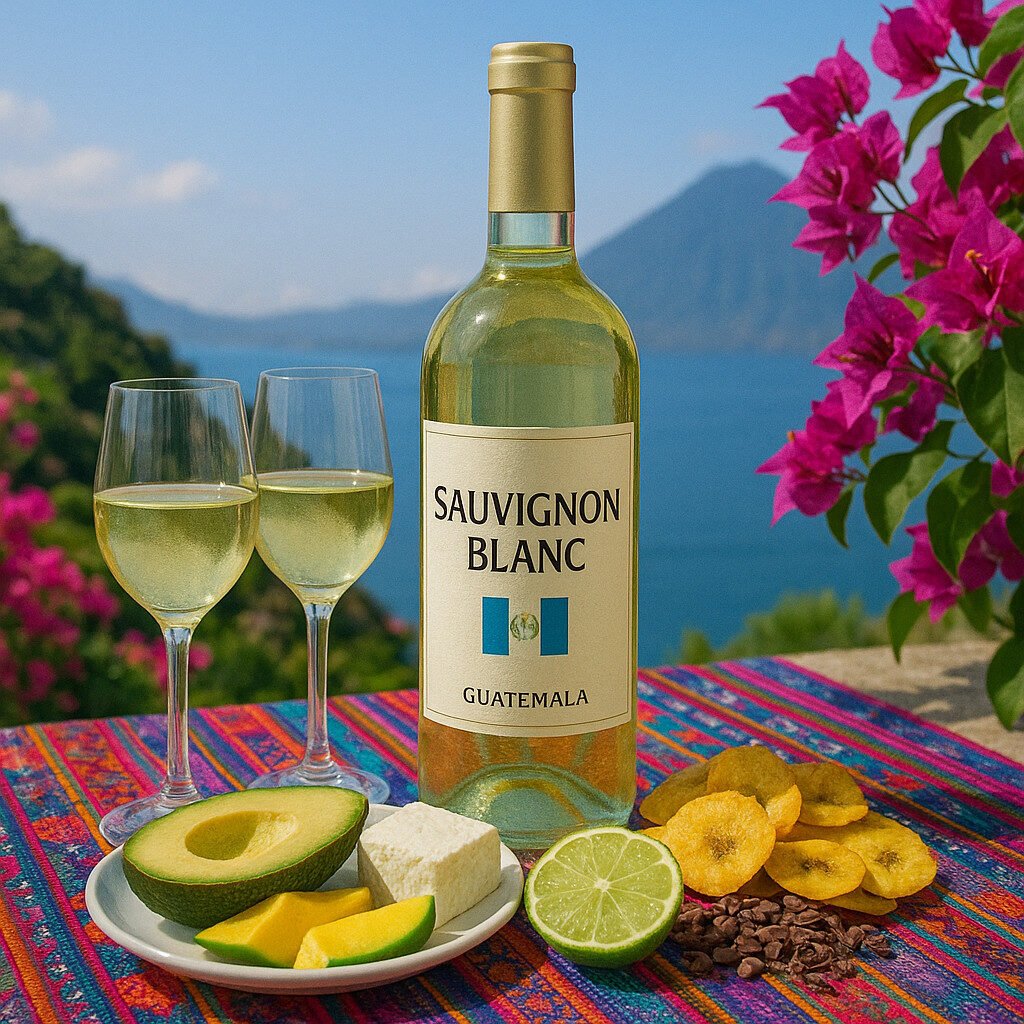
Mineral Undertones
Mineral undertones are subtle flavor notes in wine that evoke sensations of wet stone, chalk, flint, or sea salt, often associated with the soil and climate of the vineyard.
Origins in Terroir
These characteristics typically arise from the specific terroir where the grapes are grown, particularly in soils rich in minerals like limestone, slate, or granite. The vines absorb these elements, translating them into the wine's profile. Cool climates and well-drained soils often enhance the expression of mineral notes.
Grapes such as Riesling, Chardonnay, and Sauvignon Blanc frequently exhibit mineral undertones, especially when grown in renowned regions. For example, Riesling from Germany's Mosel valley can show slate-like minerality. Similarly, Chablis Chardonnay is famous for its flinty character derived from Kimmeridgian soil.
Tasting and Pairing
When tasting, look for crisp, clean flavors that complement rather than dominate the fruit, adding complexity and length to the finish. Mineral-driven wines pair excellently with oysters, sushi, or goat cheese, as their acidity and subtlety enhance delicate dishes. They also work well with lightly seasoned poultry or seafood to let the wine's nuances shine.
Content will follow.
Notes
Short note.
For more information see the website.