
In this article
What Is Limniona from Greece?
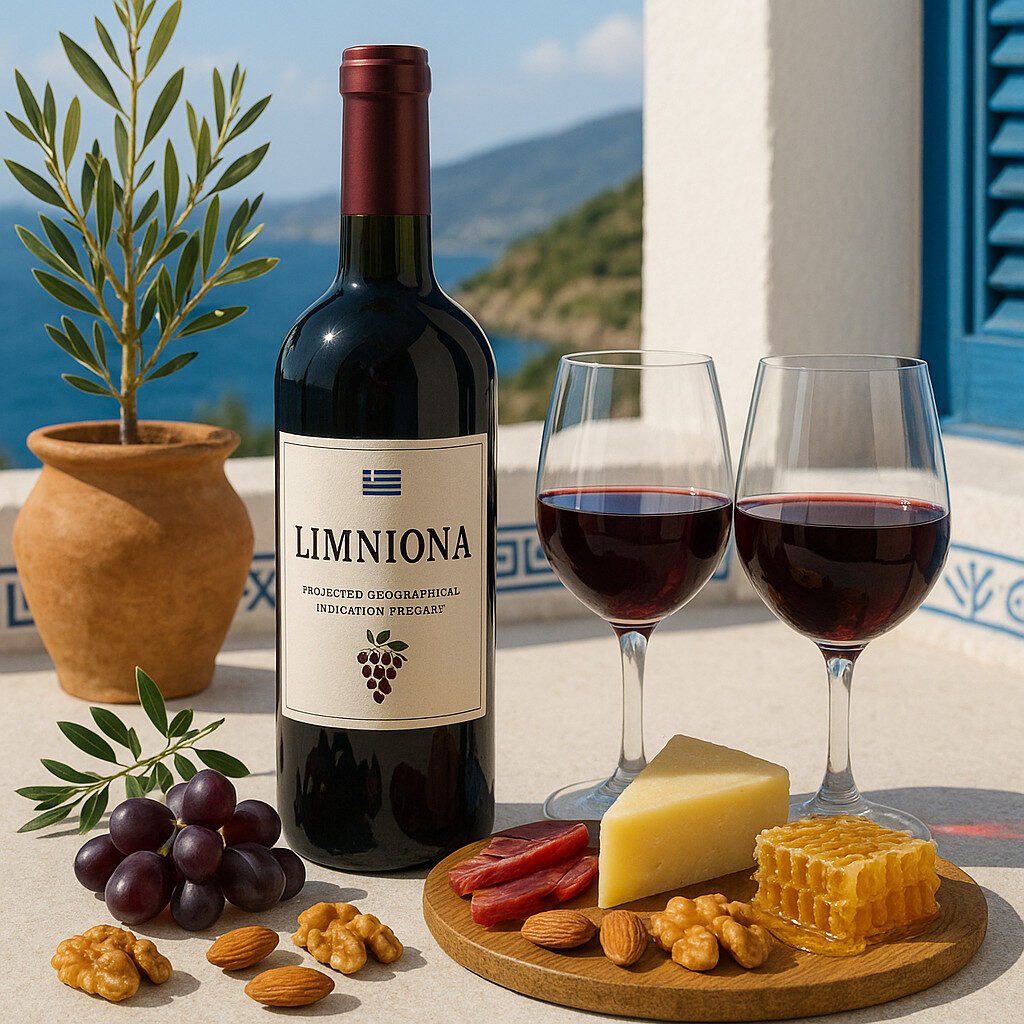
Limniona is a native Greek red grape variety that produces elegant and age-worthy wines. It originates primarily from the Thessaly region in central Greece.
- Colour: Deep ruby red with violet reflections.
- Wine style: Still red wine.
- Main grape varieties: Limniona.
- Sweetness level: Dry.
- Acidity: Medium to high.
- Tannin structure: Medium to high, fine-grained and structured.
- Alcohol range: 13% to 14.5% ABV.
- Body: Medium to full-bodied.
- Typical serving temperature: 16°C to 18°C.
- Protected status: Often produced under PDO Rapsani or PGI Thessaly designations.
The Limniona grape has thick skins and ripens late in the season. It yields wines with notable tannic structure and excellent aging potential. Many modern Greek winemakers are championing this once-rare variety.
Where and How Limniona from Greece Is Made
Limniona thrives in the Thessaly region, particularly in the Rapsani and Tyrnavos appellations. The area features a continental climate with hot, dry summers and cold winters. Soils are predominantly volcanic and limestone-based, which provide excellent drainage and impart mineral nuances to the wine.
Vineyards are often situated on slopes at altitudes of 200 to 500 meters. This elevation ensures optimal sun exposure and air circulation. Sustainable viticulture practices are increasingly common among quality-focused producers.
- Vineyard work includes winter pruning and spring shoot thinning. Canopy management continues through summer to ensure even ripening.
- Grape selection occurs through hand-harvesting in September or early October. Harvest timing is critical to achieve phenolic maturity.
- After harvest, grapes undergo destemming and gentle crushing. This process minimizes bitter tannin extraction from stems.
- Maceration lasts 10 to 20 days at temperatures of 25°C to 30°C. It extracts color, flavor, and tannins from the grape skins.
- Fermentation takes place in stainless steel or concrete vats. Temperatures are controlled between 26°C and 28°C for about 7 to 10 days.
- Malolactic fermentation usually follows primary fermentation. It softens the wine’s acidity and adds texture.
- Maturation occurs for 6 to 24 months in French or American oak barrels. Some producers use a mix of new and used barriques.
- Clarification involves light fining or filtration before bottling. This step ensures stability without stripping character.
- Bottling happens after maturation, often with minimal sulfur addition. The wine may undergo further bottle aging before release.
Traditional methods favor longer maceration and aging in large oak casks. Modern techniques employ temperature control and new oak for brighter fruit expression. Artisanal producers often use wild yeasts and avoid filtration.
Flavor Profile: What Makes Limniona from Greece Special?
Limniona wines exhibit a deep ruby color with pronounced viscosity. Aromas burst with red cherries, blackberries, and floral notes of violet. Secondary scents include black pepper, clove, and a touch of earthiness.
On the palate, Limniona delivers a full-bodied experience with vibrant acidity. Flavors of ripe red fruit blend with spicy and herbal undertones. The tannins are firm yet silky, leading to a long, persistent finish.
Quality Labels and Certifications for Wine from Greece
Limniona’s Appellation Status
As far as current information suggests, Limniona wines often fall under the PDO Rapsani designation. This appellation requires specific grape blends and production methods. PGI Thessaly offers a broader framework for wines from the region.
Organic certifications are becoming more prevalent among Limniona producers. These labels guarantee adherence to EU organic farming standards. Sustainability initiatives also play a growing role in the Greek wine industry.
Cheese Pairings
Pairing Limniona with Greek Cheeses
Limniona pairs beautifully with aged Greek cheeses like Kefalotyri and Graviera. The wine’s acidity cuts through the cheese’s fat content. Its tannins balance the saltiness and enhance the savory flavors.
For international options, try semi-hard cheeses such as aged Gouda or Comté. The nutty and caramel notes in these cheeses complement Limniona’s spicy profile. Avoid very fresh or acidic cheeses that might clash with the wine’s structure.
Suitable Fruit and Vegetables
Fruit and Vegetable Matches for Limniona
Fresh figs and roasted eggplants are excellent with Limniona. Their natural sweetness and meaty texture align with the wine’s body. Grilled peppers and tomatoes also work well in Mediterranean dishes.
Dried fruits like apricots or prunes can be used in tagines or salads. Their concentrated sweetness contrasts with Limniona’s dryness. earthy vegetables such as mushrooms and lentils create harmonious vegetarian pairings.
Suitable Meat and Fish dishes
Meat and Fish Dishes for Limniona
Grilled lamb chops or slow-cooked beef stew are classic pairings for Limniona. The wine’s tannins interact well with the protein and fat. Herb-crusted pork loin or rabbit ragù also highlight its aromatic complexity.
For fish, choose oily varieties like grilled salmon or baked sea bass. The wine’s body can handle richer fish dishes. Avoid delicate white fish that may be overwhelmed by Limniona’s intensity.
Questions and Answers
How should I store Limniona wine?
Store Limniona in a cool, dark place with a constant temperature of 12°C to 14°C. Keep the bottles horizontal to maintain cork moisture. Proper storage ensures Limniona develops well over time.
What is the ideal serving temperature for Limniona?
Serve Limniona at 16°C to 18°C to appreciate its full aroma and flavor. Chilling it slightly below room temperature enhances its freshness. Avoid serving Limniona too warm, which can accentuate alcohol.
Should I decant Limniona before serving?
Decant Limniona for 30 to 60 minutes before serving, especially for younger vintages. This aeration softens tannins and releases aromatic compounds. Older Limniona may require less decanting time.
Can I chill Limniona wine?
Light chilling of Limniona to around 14°C can be pleasant in warm weather. Do not over-chill, as it may mute the wine’s complexity. Always allow Limniona to warm slightly in the glass.
What is the aging potential of Limniona?
Limniona can age gracefully for 5 to 15 years in good vintages. Its high acidity and tannin structure support long-term evolution. Cellar conditions are crucial for maximizing Limniona’s aging potential.
How long does an opened bottle of Limniona last?
An opened bottle of Limniona stays fresh for 3 to 5 days if re-corked and refrigerated. Use a wine preserver to extend its life. The wine’s robust structure helps it hold up better than lighter reds.
What are the best food pairings for Limniona?
Limniona pairs well with grilled meats, aged cheeses, and hearty vegetable dishes. Its acidity and tannins complement rich, savory foods. Avoid very spicy or sweet dishes that could dominate Limniona.
Where can I buy Limniona wine?
Limniona is available at specialty wine shops and online retailers focusing on Greek wines. Look for producers from Thessaly like Tsantali or Domaine Zafeirakis. Prices typically range from €15 to €40 per bottle.
Does Limniona improve with bottle aging?
Yes, Limniona often improves with bottle aging, developing tertiary notes like leather and tobacco. Younger vintages show more primary fruit, while aged ones gain complexity. Store Limniona properly to enjoy its evolution.
What glassware is best for serving Limniona?
Use a large Bordeaux-style glass for serving Limniona. This shape concentrates the aromas and allows the wine to breathe. Avoid small glasses that restrict Limniona’s aromatic expression.
Similar Wines and Alternatives
If you enjoy Limniona, consider Xinomavro from Greece, which shares high acidity and aging potential. Xinomavro often displays more tomato and olive notes compared to Limniona’s red fruit profile. Both wines pair well with similar foods and offer great value.
From Italy, Nebbiolo-based wines like Barolo provide a similar tannic structure and complexity. Syrah from the Northern Rhône offers comparable spicy and peppery characteristics. These alternatives might be more widely available in international markets.