
In this article
What Is Limnio?
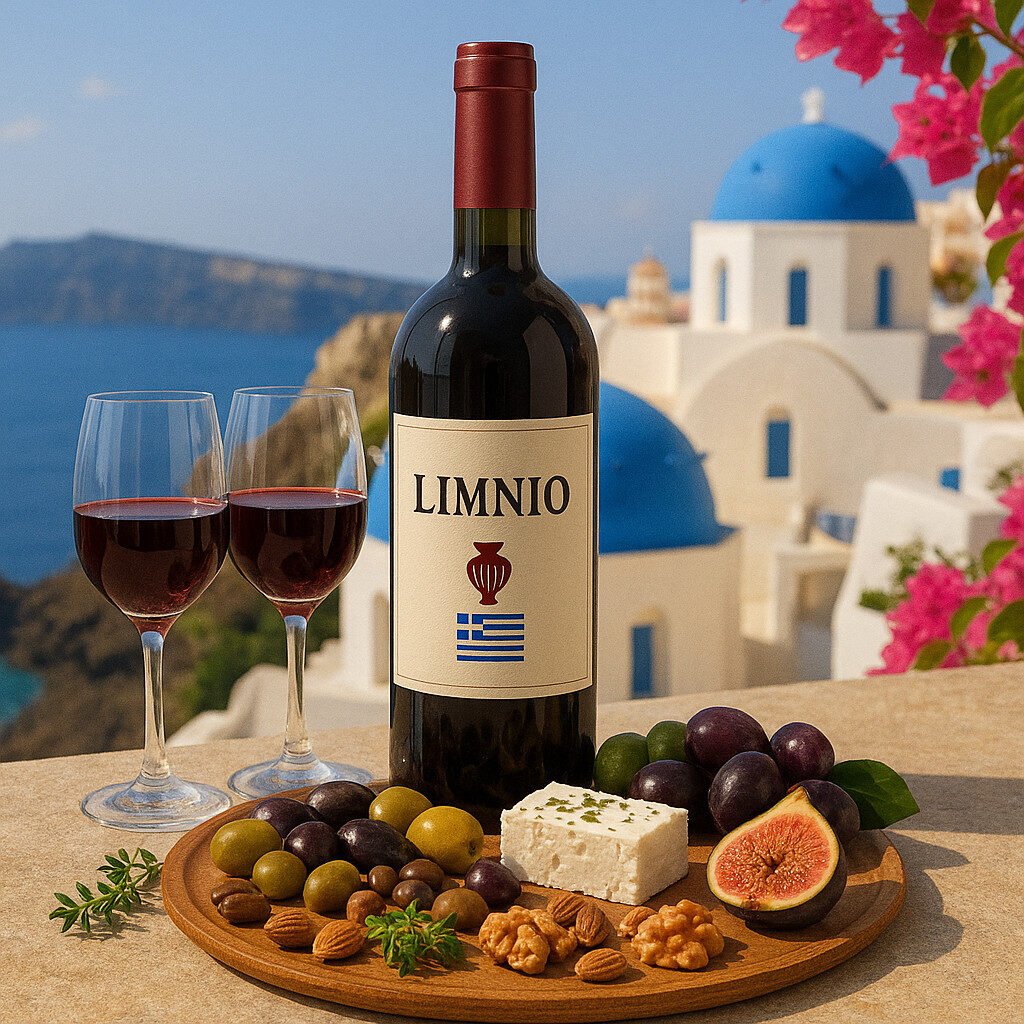
Limnio is a native Greek red grape variety that produces dry, still wines. It holds a significant place in Greece’s viticultural heritage and is primarily cultivated in northern regions.
- Colour: Deep ruby red to garnet.
- Wine style: Still red wine.
- Main grape varieties: 100% Limnio or blends.
- Sweetness level: Dry.
- Acidity: Medium to high.
- Tannin structure: Moderate and soft.
- Alcohol range: 12% to 13.5% vol.
- Body: Medium-bodied.
- Typical serving temperature: 16°C to 18°C.
- Protected status: Often under Greek PDOs like PDO Naoussa or PGI Macedonia.
Limnio grapes yield wines with good aging potential due to their balanced structure. The variety is known for its resilience in the vineyard and ability to express terroir. Many producers emphasize organic practices to enhance its authentic character.
Test Your Knowledge:
Where and How Limnio Is Made
Limnio is predominantly grown in northern Greece, especially in Macedonia and Thrace. Key appellations include PDO Naoussa and PGI Macedonia, which feature Mediterranean climates with hot, dry summers and mild winters. Soils range from limestone to sandy loam, providing excellent drainage and minerality. Winemakers often follow traditional methods to preserve the grape’s heritage and typicity.
- Vineyard work includes careful canopy management and minimal irrigation to stress vines, typically from spring to harvest.
- Grape selection occurs manually in September, focusing on clusters with optimal ripeness and health.
- Harvest is done by hand in early autumn to maintain grape integrity and avoid bruising.
- Destemming and crushing are gentle processes that extract juice without harsh tannins.
- Maceration lasts 5 to 10 days at 18°C to 25°C to develop colour and flavour.
- Fermentation uses indigenous or selected yeasts in stainless steel tanks for 7 to 14 days.
- Malolactic fermentation is common in oak barrels or tanks to soften acidity.
- Maturation occurs for 6 to 12 months in French or American oak barrels for complexity.
- Clarification involves light fining or filtering to retain wine character.
- Bottling follows with minimal sulfur additions for stability.
Traditional producers use extended maceration and older oak for earthy profiles, while modern approaches favour shorter maceration and new oak for fruit-forward styles. Artisanal wineries often hand-harvest and use native yeasts, whereas mass-market versions may machine-harvest and add commercial yeasts for consistency.
Flavor Profile: What Makes Limnio Special?
Limnio displays a vibrant ruby colour with moderate viscosity in the glass. Its aroma profile blends red fruits like cherry and raspberry with herbal notes of thyme and oregano. Earthy undertones and subtle spice from oak aging add complexity, while the palate offers balanced acidity and soft tannins.
The flavour intensity is medium with a dry, crisp finish that lingers. Grape ripeness influences fruit sweetness, and oak treatment introduces vanilla or tobacco nuances. Aging potential allows secondary flavours like leather to develop, making older vintages particularly valued.
Quality Labels and Certifications
As far as current information suggests, Limnio often falls under Greek protected designations like PDO Naoussa, which mandates specific growing zones and production rules. PGI Macedonia covers broader regions and allows more flexibility in winemaking techniques. These labels ensure origin authenticity and quality standards for consumers.
Organic certifications are increasingly common, with vineyards avoiding synthetic pesticides. Sustainability initiatives, as far as can be verified at present, promote biodiversity and water conservation in Limnio production. These efforts align with global trends toward environmentally conscious winemaking.
Cheese Pairings
Classic Greek Cheese Pairings for Limnio
Feta cheese pairs excellently with Limnio due to its salty tang and crumbly texture. The wine’s acidity cuts through the fat, while its herbal notes complement the cheese’s briny character. Graviera, a hard Greek cheese, offers nutty flavours that harmonize with Limnio’s fruit and spice elements.
For cooked dishes, saganaki with Limnio balances the cheese’s richness with the wine’s crisp finish. The moderate tannins in Limnio prevent overwhelming the palate, making it versatile for various cheese types.
International Cheese Matches with Limnio
Manchego from Spain shares a firm texture that stands up to Limnio’s body. Its slight sweetness contrasts with the wine’s dryness, creating a balanced pairing. Brie or Camembert work well too, as their creamy fat content is offset by Limnio’s acidity.
Blue cheeses like Gorgonzola can be challenging but succeed with older Limnio vintages. The wine’s evolving earthy notes bridge the cheese’s pungency, offering a sophisticated combination for cheese boards.
Suitable Fruit and Vegetables
Fruit Pairings That Complement Limnio
Fresh figs and pears enhance Limnio’s red fruit aromas with their natural sweetness. Grilled peaches or apricots add a caramelized note that mirrors the wine’s oak influences. Dried cherries or raisins in salads introduce concentrated flavours that align with Limnio’s depth.
These fruits provide a textural contrast and bright acidity that refresh the palate. Their vibrant colours also make dishes visually appealing when served with the wine.
Vegetable Dishes for Limnio
Roasted bell peppers and eggplants bring out Limnio’s herbal and earthy sides. Tomatoes in sauces or salads match the wine’s acidity, while olives add a salty bite that highlights its fruitiness. Leafy greens like spinach offer bitterness that balances Limnio’s softer tannins.
Cooked vegetable medleys with herbs like rosemary echo the wine’s spice profile. These pairings work well in vegetarian mains or sides, showcasing Limnio’s versatility.
Suitable Meat and Fish Dishes
Traditional Meat Dishes with Limnio
Lamb roasted with herbs is a classic pairing for Limnio, as the wine’s tannins complement the meat’s richness. Beef stews with root vegetables allow Limnio’s acidity to cut through the hearty flavours. Grilled sausages or pork chops benefit from the wine’s herbal notes, creating a harmonious match.
For cold servings, charcuterie plates with salami or prosciutto work well. Limnio’s dryness balances the saltiness, while its body stands up to the intense flavours.
Fish and Seafood Options for Limnio
Grilled sea bass or cod pairs nicely with Limnio’s medium body and crisp finish. The wine’s acidity enhances the fish’s delicate texture without overpowering it. Octopus or squid dishes, often grilled with lemon, align with Limnio’s citrus and herbal undertones.
In pasta dishes, seafood linguine allows Limnio to shine with its balanced profile. These combinations highlight the wine’s adaptability beyond red meat-centric meals.
Questions and Answers About Limnio
How should I store Limnio?
Store Limnio in a cool, dark place at 12°C to 15°C with stable humidity. Keep bottles horizontal to keep corks moist. Limnio can age for 3 to 7 years in proper conditions.
What is the ideal serving temperature for Limnio?
Serve Limnio between 16°C and 18°C to highlight its aromas and structure. Chilling it slightly below room temperature preserves its freshness. Avoid serving too cold, as it mutes the flavours.
Should I decant Limnio before drinking?
Decant Limnio for 30 minutes to open up its aromas, especially for younger vintages. Older Limnio may need less aeration to avoid overwhelming delicate notes. Decanting improves the wine’s overall balance.
How do I chill or temper Limnio?
Chill Limnio in a refrigerator for 20 minutes if too warm. To temper, let it sit at room temperature for 10 to 15 minutes. Aim for the recommended serving range to enjoy its full profile.
What foods pair best with Limnio?
Limnio pairs well with grilled meats, hearty stews, and aged cheeses. Its acidity and tannins complement rich, savoury dishes. Experiment with Mediterranean cuisine for optimal matches.
Where can I buy Limnio?
Buy Limnio from specialty wine shops, online retailers, or Greek importers. Look for reputable producers in PDO regions for quality assurance. Availability may vary by location.
What is the shelf life of Limnio after opening?
Limnio lasts 3 to 5 days after opening if recorked and refrigerated. Use a wine preserver to extend its life. Consume it quickly to enjoy its fresh characteristics.
Does Limnio have aging potential?
Limnio can age for 5 to 10 years, developing more complex earthy and spicy notes. Store it properly to maximize this potential. Younger vintages are fruitier and more approachable.
How should I handle leftovers of Limnio?
Pour leftover Limnio into a smaller container to reduce oxygen exposure. Refrigerate it and use within a few days. Consider cooking with it in sauces or marinades.
Can Limnio be used in cooking?
Yes, use Limnio in red wine reductions for meats or in stews. Its acidity and flavour enhance dishes without overpowering them. Avoid cooking with low-quality Limnio for best results.
Similar Wines and Alternatives
Xinomavro from Greece shares Limnio’s acidity and aging potential but offers more tannin and darker fruit notes. Agiorgitiko, another Greek red, is softer and fruitier, making it a good alternative for those preferring less structure. Internationally, Sangiovese from Italy mirrors Limnio’s herbal and red fruit profile with similar body and acidity. Grenache from France or Spain provides a fruit-forward option with comparable alcohol levels. These alternatives vary in price, with Greek wines often being more accessible in specialty markets, while international options may have broader availability.