Limnio Red Wine from Greece: A Portrait
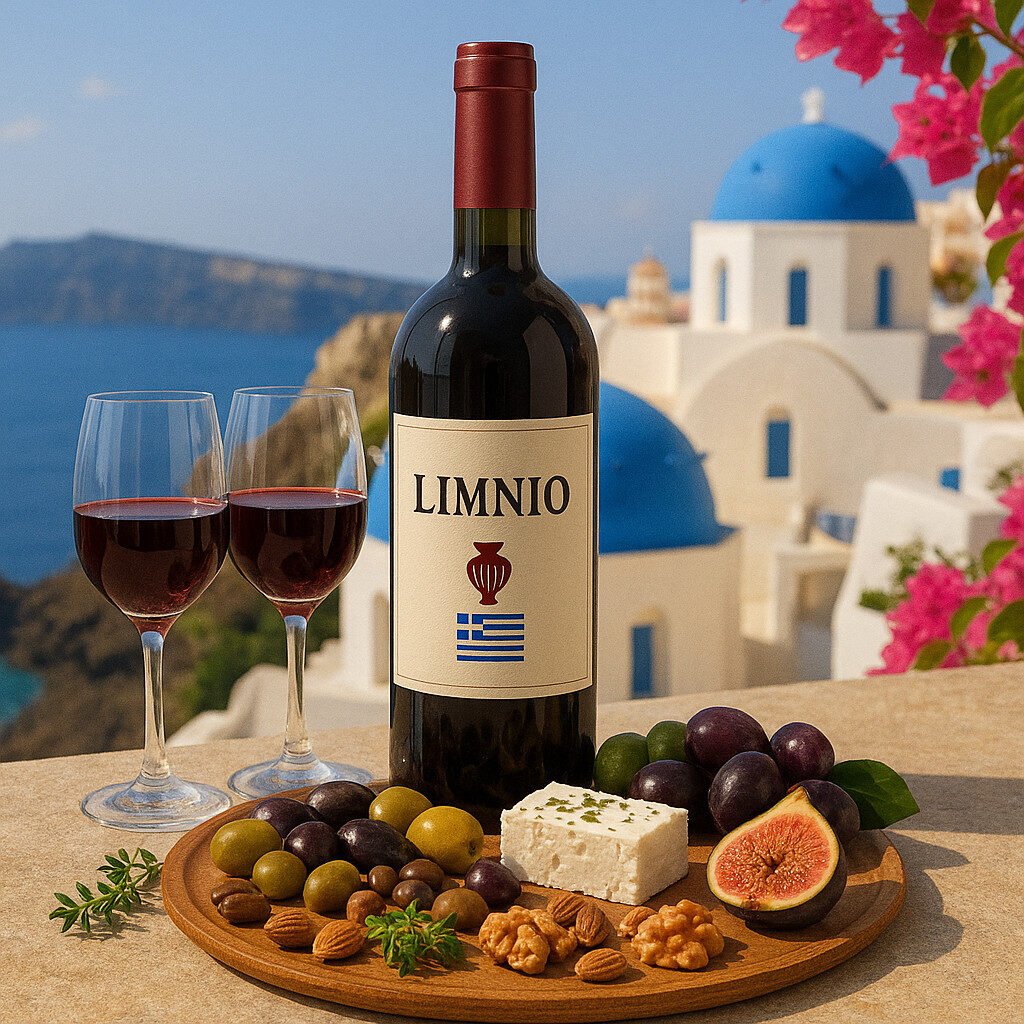
Discover Limnio, a rare Greek red wine with ancient roots. Enjoy its unique flavors and rich heritage in every glass.
Limnio Red Wine from Greece: A Portrait Read More »

Part of the MyCheese.org Network
Part of the MyCheese.org Network
Herbal notes in wine refer to the aromatic and flavor characteristics reminiscent of fresh or dried herbs, such as mint, basil, thyme, or eucalyptus, which can add complexity and freshness to the wine's profile.
Certain grape varieties are particularly known for their herbal characteristics. Cabernet Sauvignon often displays notes of mint or eucalyptus, especially when grown in cooler climates, while Sauvignon Blanc can exhibit fresh-cut grass or basil aromas. These herbal elements are influenced by the grape's inherent traits and the specific terroir in which they are cultivated.
Other varieties like Carmenère may show green bell pepper or herbal undertones, and Grüner Veltliner can present white pepper and herbaceous notes. The presence of these herbal notes can vary depending on ripeness at harvest and winemaking techniques, offering a spectrum from subtle hints to prominent flavors that define the wine's character.
Herbal notes are often more pronounced in wines from cooler climate regions where grapes may not fully ripen, preserving their herbaceous qualities. For instance, Cabernet Sauvignon from Bordeaux's Left Bank can have subtle minty undertones, while New Zealand Sauvignon Blanc is famous for its intense grassy and herbal aromas. The soil composition and climate play crucial roles in developing these characteristics.
In regions like Chile's Maipo Valley, Carmenère expresses green pepper notes, and Austrian Grüner Veltliner showcases herbal and peppery flavors. Winemakers in these areas may embrace or mitigate herbal traits through canopy management and harvest timing, allowing the regional identity to shine through in the final product with distinctive herbal complexity.
When tasting wines with herbal notes, look for aromas and flavors that evoke fresh herbs, which can range from subtle to dominant on the palate. These characteristics often contribute to a wine's freshness and can balance richer fruit flavors, adding layers of complexity. The finish may leave a refreshing, sometimes slightly bitter, herbal impression that enhances the overall drinking experience.
Food pairings for herbal wines should complement or contrast their green notes effectively. Dishes with fresh herbs, such as rosemary-roasted lamb with a minty Cabernet Sauvignon or a basil-infused pasta with Sauvignon Blanc, create harmonious matches. Alternatively, pairing with mildly spiced or grilled vegetables can highlight the wine's herbal qualities without overwhelming the palate.
Discover Limnio, a rare Greek red wine with ancient roots. Enjoy its unique flavors and rich heritage in every glass.
Limnio Red Wine from Greece: A Portrait Read More »