
In this article
What Is Kadarka from Hungary?
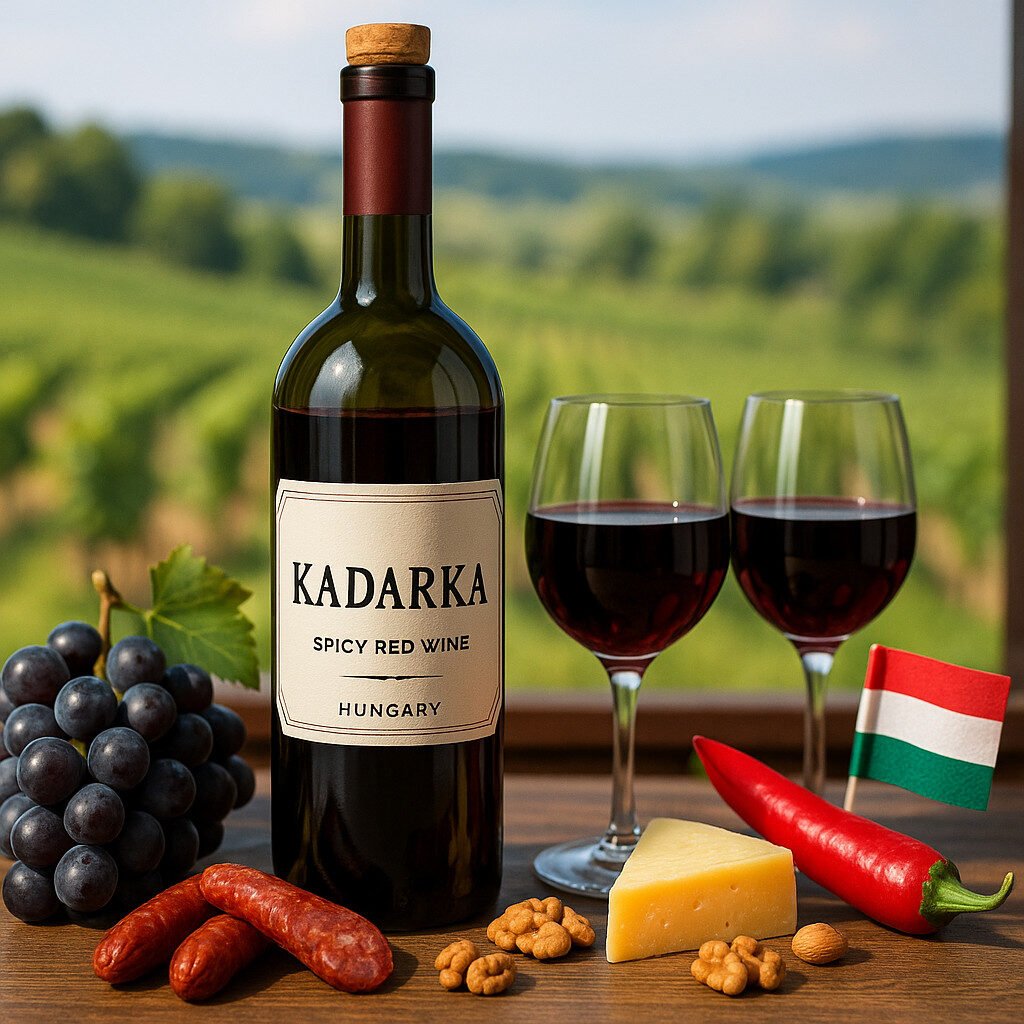
Kadarka is a traditional Hungarian red grape known for its role in classic blends and single-varietal expressions. It delivers wines with perfumed aromatics and a food-friendly profile.
- Colour: Light to medium ruby red
- Wine style: Still red wine
- Main grape varieties: Kadarka (typically 100%)
- Sweetness level: Dry
- Acidity: Medium to high
- Tannin structure: Light and silky
- Alcohol range: 11.5% to 13.5% by volume
- Body: Light to medium-bodied
- Typical serving temperature: 14-16°C
- Protected status: PDO in regions like Szekszárd and Villány
Kadarka thrives in Hungary’s warm continental climate, yielding wines with pronounced red fruit and spice notes. It often undergoes minimal oak aging to preserve its delicate aromas. The grape’s thin skins contribute to its pale color and low tannin extraction.
Where and How Kadarka from Hungary Is Made
Kadarka is predominantly cultivated in the Szekszárd and Villány wine regions of southern Hungary. These areas feature a continental climate with hot summers and cool nights, ideal for slow ripening. Soils range from limestone and loess to volcanic basalt, adding mineral complexity to the wines.
Producers focus on sustainable viticulture to enhance terroir expression. Key appellations include Szekszárd Kadarka and Villányi Kadarka, both protected designations. The philosophy emphasizes hand-harvesting and gentle winemaking to retain freshness.
- Vineyard work involves winter pruning and summer canopy management to optimize sunlight exposure. Yield control is critical, with many vineyards maintaining 4-6 tonnes per hectare.
- Grape selection occurs through hand-harvesting in late September to early October. Workers pick clusters at optimal ripeness to balance sugar and acidity levels.
- Harvest timing targets a potential alcohol of 12-13% vol and total acidity around 6-7 g/L. Grapes are transported quickly to the winery to prevent oxidation.
- Destemming and crushing are done gently, often with whole-berry fermentation to enhance fruitiness. Some producers use carbonic maceration for aromatic intensity.
- Maceration lasts 5-10 days at 18-22°C to extract color and flavor without harsh tannins. Pump-overs or punch-downs occur daily for even extraction.
- Fermentation takes place in stainless steel or concrete vats at 20-25°C with selected yeast strains. It typically completes within 7-14 days.
- Malolactic fermentation is commonly induced to soften acidity and add creamy texture. This process occurs in tank or barrel over several weeks.
- Maturation involves 6-12 months in large oak barrels or stainless steel tanks. Neutral oak is preferred to avoid overpowering the wine’s delicate notes.
- Clarification uses light filtration or natural settling to achieve stability. Fining with egg whites may be applied for subtle polishing.
- Bottling happens after minimal aging, with most wines released within 12-18 months of harvest. Screw caps or natural corks are used for closure.
Traditional Kadarka production employs longer maceration and aging in large, used oak, yielding more structured wines. Modern methods favor shorter maceration and stainless steel to highlight fruit purity, appealing to international markets. Artisanal producers often use organic practices, while mass-market versions may include blending for consistency.
Flavor Profile: What Makes Kadarka from Hungary Special?
Kadarka exhibits a pale to medium ruby color with moderate viscosity and light legs. Its aroma profile bursts with red cherries, raspberries, and violets, complemented by white pepper, cinnamon, and earthy undertones. The palate is light-bodied with bright, refreshing acidity and soft, almost imperceptible tannins that create a silky mouthfeel.
Grape ripeness influences the flavor intensity; warmer vintages yield jammy fruit notes, while cooler years highlight herbal and floral elements. Oak treatment, if used, adds subtle vanilla or smoke nuances, but many winemakers avoid it to preserve Kadarka’s vibrant fruit character. The finish is medium in length, leaving a clean, spicy aftertaste that invites another sip.
Quality Labels and Certifications for Wine from Hungary
Hungarian wine law includes Protected Designation of Origin (PDO) and Protected Geographical Indication (PGI) systems, as far as current information suggests. Kadarka from regions like Szekszárd and Villány often holds PDO status, ensuring strict production standards and origin verification. These labels mandate specific grape varieties, yields, and winemaking practices to maintain quality.
Organic certification is available under EU regulations, with an increasing number of producers adopting sustainable viticulture. Additionally, traditional methods may be recognized under national schemes, though details can vary. As far as can be verified at present, these certifications help consumers identify authentic Kadarka wines with guaranteed terroir expression.
Cheese Pairings
Kadarka pairs beautifully with semi-hard cheeses like Hungarian Trappista or Edam, where its acidity cuts through the fat content. The wine’s light tannins complement the creamy texture without overwhelming the mild flavors. For local pairings, try it with Liptauer or Oázis cheese to enhance the spicy and earthy notes.
International options include French Brie or Italian Pecorino, as Kadarka’s red fruit aromas harmonize with their earthy and salty profiles. In cooked dishes, incorporate it into cheese fondues or baked Camembert to balance richness with freshness. The wine’s medium body and low tannins make it versatile across cheese intensities.
Suitable Fruit and Vegetables
Fresh fruits like strawberries, cherries, and red plums accentuate Kadarka’s berry flavors in salads or desserts. Their natural sweetness contrasts with the wine’s acidity, creating a balanced pairing. Vegetables such as roasted bell peppers, eggplants, and tomatoes work well due to their smoky and umami notes that echo Kadarka’s spice.
Dried fruits like figs or apricots can be served with Kadarka to add texture and sweetness that offset its vibrant acidity. In main courses, dishes with mushrooms, lentils, or grilled zucchini highlight the wine’s earthy undertones. The color and bitterness of arugula or radicchio in salads also complement Kadarka’s light body.
Suitable Meat and Fish dishes
Kadarka excels with cold meats like Hungarian salami, kolbász, or prosciutto, as its acidity cuts through the fat and salt. The wine’s light body and subtle tannins enhance without overpowering the delicate flavors. For charcuterie boards, include pâtés or terrines to match the spicy and fruity notes.
Hot dishes such as grilled chicken, pork medallions, or duck breast pair well due to Kadarka’s ability to balance richness with freshness. Fish like salmon or trout, especially when baked or grilled, work because the wine’s low tannins and bright acidity complement the oily texture. Stews and casseroles with lean meats allow the wine’s aromatics to shine.
Questions and Answers
How should I store Kadarka?
Store Kadarka in a cool, dark place at 12-14°C with consistent humidity. Keep bottles horizontal if using cork closures to prevent drying. Kadarka is best consumed within 3-5 years of vintage.
What is the ideal serving temperature for Kadarka?
Serve Kadarka slightly chilled at 14-16°C to enhance its aromatic profile. This temperature range highlights the wine’s fruit and spice notes. Avoid over-chilling Kadarka to preserve its complexity.
Does Kadarka need decanting?
Decant Kadarka for 15-30 minutes before serving to open up its aromas. Young Kadarka benefits from aeration to release fruity and spicy elements. Older vintages may not require decanting.
Should Kadarka be chilled?
Yes, chill Kadarka for about 30 minutes in the refrigerator before serving. This brings out its refreshing acidity and fruit character. Do not over-chill Kadarka as it can mute the flavors.
How long can I age Kadarka?
Most Kadarka wines are drinkable within 2-4 years of release. Premium examples from good vintages can age for 5-7 years. Aging potential depends on winemaking style and storage conditions for Kadarka.
What foods pair best with Kadarka?
Kadarka pairs well with grilled meats, spicy dishes, and semi-hard cheeses. Its acidity cuts through rich foods like duck or sausage. Vegetarian options include mushroom-based dishes with Kadarka.
Where can I buy Kadarka?
Buy Kadarka from specialized wine shops, online retailers, or directly from Hungarian wineries. Look for labels from Szekszárd or Villány regions. Importers often stock Kadarka in major cities.
How long does Kadarka last after opening?
Opened Kadarka stays fresh for 2-3 days if recorked and refrigerated. Use a vacuum pump to extend its life slightly. Consume Kadarka quickly to enjoy its vibrant fruit notes.
Can Kadarka be used in cooking?
Yes, use Kadarka in stews, sauces, or marinades to add depth and acidity. It works well with poultry, pork, or vegetable dishes. Avoid boiling Kadarka to preserve its delicate aromas.
What are the best vintages for Kadarka?
Recent good vintages for Kadarka include 2018, 2019, and 2021 in Hungary. These years offered balanced ripeness and acidity. Check producer notes for specific Kadarka recommendations.
Similar Wines and Alternatives
Kadarka shares similarities with Pinot Noir from Burgundy due to its light body and aromatic red fruit profile. However, Kadarka typically has higher acidity and more pronounced spice notes like white pepper. Gamay from Beaujolais is another alternative, offering similar drinkability but with softer tannins and less earthiness.
In Hungary, blends like Egri Bikavér may include Kadarka, providing a bolder, more structured option. Internationally, Schiava from Italy or Zweigelt from Austria can substitute, though they may lack Kadarka’s distinctive spice. Price-wise, Kadarka is generally affordable and accessible in specialty shops compared to premium Pinot Noir.