
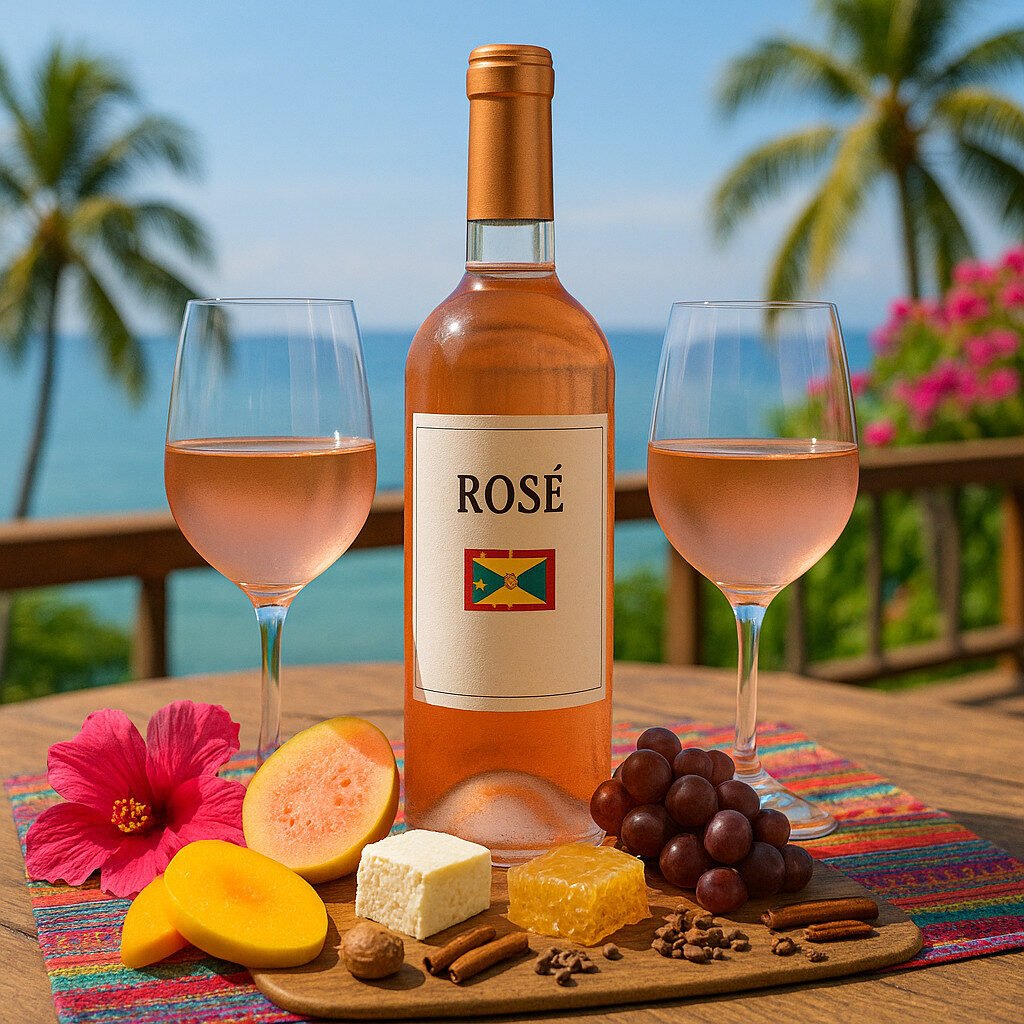
Rosé wine from Grenada represents a niche but growing segment of Caribbean viticulture, blending traditional winemaking techniques with the island’s unique tropical terroir. Known for its bright, fruit-forward profile and refreshing character, this wine is typically crafted for immediate enjoyment. Readers will discover its production methods, historical context, and ideal serving practices to fully appreciate this distinctive style.
In this article
Basic Facts about Rosé Wine from Grenada
Rosé wine from Grenada is a still, pink wine made primarily from red grape varieties such as Syrah or Grenache, though some producers may incorporate local fruit wines. It exhibits a color spectrum from pale salmon to vibrant pink, with a typically dry to off-dry sweetness level. Acidity is generally medium to high, tannins are low, and alcohol content ranges from 11.5% to 13.5%. Key production areas include the parishes of St. George and St. David, where small-scale vineyards benefit from coastal influences.
Quality categories in Grenada are not formally regulated under appellation systems, but wines are often labeled by producer and vineyard location. The island’s winemakers focus on creating fresh, approachable styles that reflect the local environment, with an emphasis on minimal intervention and early bottling to preserve fruit purity.
Test Your Knowledge:
Historical Background of Rosé Wine in Grenada
Rosé winemaking in Grenada has its roots in the post-colonial era, with European settlers introducing grape cultivation in the 20th century. Initially, wine production was limited and experimental, often blending imported grape must with local agricultural practices. The island’s history of spice and sugar cane farming provided a foundation for diversifying into viticulture, though wine remained a minor product compared to rum.
A significant turning point came with the growth of tourism in the late 20th century, which increased demand for local wines, including rosé. Technological advancements in temperature-controlled fermentation allowed producers to better manage the challenges of a tropical climate, leading to more consistent quality. Today, rosé wine is a symbol of Grenada’s evolving agricultural identity, balancing tradition with modern winemaking techniques.
Where and How Rosé Wine Is Made in Grenada
In Grenada, rosé wine is produced mainly in the southern and western parishes, such as St. George and St. John, where vineyards are often situated on well-drained slopes with volcanic soils. The tropical climate, characterized by high humidity and consistent temperatures, requires careful canopy management and irrigation to protect grapes from excessive heat and rainfall. Altitudes vary, but most vineyards are near sea level, benefiting from coastal breezes that help moderate ripening.
The vinification process for Grenadian rosé typically involves the following steps:
– Harvesting occurs between January and March, timed to avoid the rainy season and ensure optimal sugar-acid balance.
– Grapes are gently pressed, and juice undergoes short maceration with skins for 6 to 24 hours to extract color.
– Fermentation takes place in stainless steel tanks at controlled temperatures of 14-18°C to preserve fresh aromas.
– Aging is minimal, usually lasting a few weeks in neutral vessels before bottling, with no extended oak contact to maintain vibrancy.
Taste, Aroma, and Structure of Rosé Wine of Grenada
Rosé wine from Grenada typically presents a bright, translucent pink hue with aromas of fresh red berries like strawberry and raspberry, complemented by tropical notes of guava or citrus. On the palate, it offers crisp acidity and flavors of watermelon and cherry, with a dry to slightly off-dry finish that enhances its drinkability. The structure is light-bodied with low tannins and moderate alcohol, making it refreshing and easy to enjoy without complexity.
This wine is best consumed young, within one to two years of vintage, as it does not benefit from extended aging. Over time, the vibrant fruit character may diminish, and the wine can develop flatter notes, so it is ideal for immediate consumption to appreciate its lively profile.
Serving Grenada Rosé Wine: Temperature, Glassware, and Storage
Serve Rosé wine from Grenada chilled at 8 to 10 degrees Celsius to highlight its freshness and balance the fruit flavors. A standard tulip-shaped white wine glass is recommended, as it concentrates the aromas without overwhelming the delicate profile. Decanting is generally unnecessary due to its youthful nature, but a brief aeration of 10-15 minutes can enhance the bouquet if desired.
For storage, keep bottles horizontally in a cool, dark place with stable humidity around 70% to prevent cork drying. Avoid exposure to light and temperature fluctuations, and consume within a year or two of purchase for optimal quality, as long-term cellaring is not advised.
Suitable Meat and Fish dishes
Rosé wine from Grenada pairs excellently with light seafood dishes such as grilled snapper or coconut-braised fish, where its acidity cuts through rich sauces and enhances the delicate flavors. It also complements cold preparations like ceviche or shrimp salad, providing a refreshing contrast to spicy or tangy elements. For meat pairings, consider grilled chicken or pork skewers with tropical marinades, as the wine’s fruitiness balances the smokiness and herbs without overpowering the dish.
Hearty options like lamb stew or pepperpot can be matched with rosé if the wine has a slightly fuller body, as the acidity helps cleanse the palate between bites. In general, aim for dishes that are not overly heavy, allowing the wine’s vibrant character to shine alongside grilled, roasted, or lightly spiced meats and fish.
Rosé Wine from Grenada: Questions and Answers
How should I store Rosé Wine from Grenada?
Store Rosé Wine from Grenada in a cool, dark place with consistent temperature and humidity, ideally between 12-15°C, to maintain its freshness.
What is the ideal serving temperature for Rosé Wine from Grenada?
Serve Rosé Wine from Grenada at 8 to 10 degrees Celsius to best appreciate its crisp and fruity characteristics.
Does Rosé Wine from Grenada need decanting?
Rosé Wine from Grenada generally does not require decanting, as it is meant to be enjoyed young and fresh, but a short aeration can open up its aromas.
How long can I chill Rosé Wine from Grenada before serving?
Chill Rosé Wine from Grenada for about two hours in the refrigerator or 20-30 minutes in an ice bucket before serving to reach the optimal temperature.
When is the best time to drink Rosé Wine from Grenada?
Drink Rosé Wine from Grenada within one to two years of its vintage date to experience its peak fruitiness and vibrancy.
What food pairs well with Rosé Wine from Grenada?
Rosé Wine from Grenada pairs well with light dishes such as grilled fish, seafood salads, and spicy meats, complementing their flavors without overwhelming them.
Where can I buy Rosé Wine from Grenada?
Buy Rosé Wine from Grenada from local Grenadian wineries, specialty wine shops in the Caribbean, or online retailers that import Caribbean products.
How long does Rosé Wine from Grenada last after opening?
After opening, Rosé Wine from Grenada should be consumed within 2-3 days if re-corked and stored in the refrigerator to preserve its quality.
Can Rosé Wine from Grenada age well in the bottle?
Rosé Wine from Grenada is not suited for long-term aging and is best enjoyed young to appreciate its fresh and fruity profile.
What should I do with leftover Rosé Wine from Grenada?
Use leftover Rosé Wine from Grenada in cooking, such as deglazing pans for sauces, or store it briefly in the fridge for quick consumption.
Similar Wines and Alternatives
For those who enjoy Rosé wine from Grenada, similar options include Provencal rosé from France, which shares a dry, light-bodied style with notes of red fruit and herbs, though it often has more mineral complexity due to its terroir. Alternatively, Spanish rosados from regions like Navarra offer comparable brightness and fruit-driven profiles, typically at a lower price point and wider availability.
From the same Caribbean context, light-bodied white wines from Grenada or other islands, such as those made from local fruits, can provide a similar refreshing experience but may differ in sweetness and acidity. If seeking a substitute with slightly more body, a young, fruity Pinot Noir from cool climates could appeal, though it will have higher tannins and a different color profile. Overall, these alternatives mirror the easy-drinking nature of Grenadian rosé while offering variations in flavor intensity and regional character.