Mavrodaphne Red Wine from Greece: Taste and Production
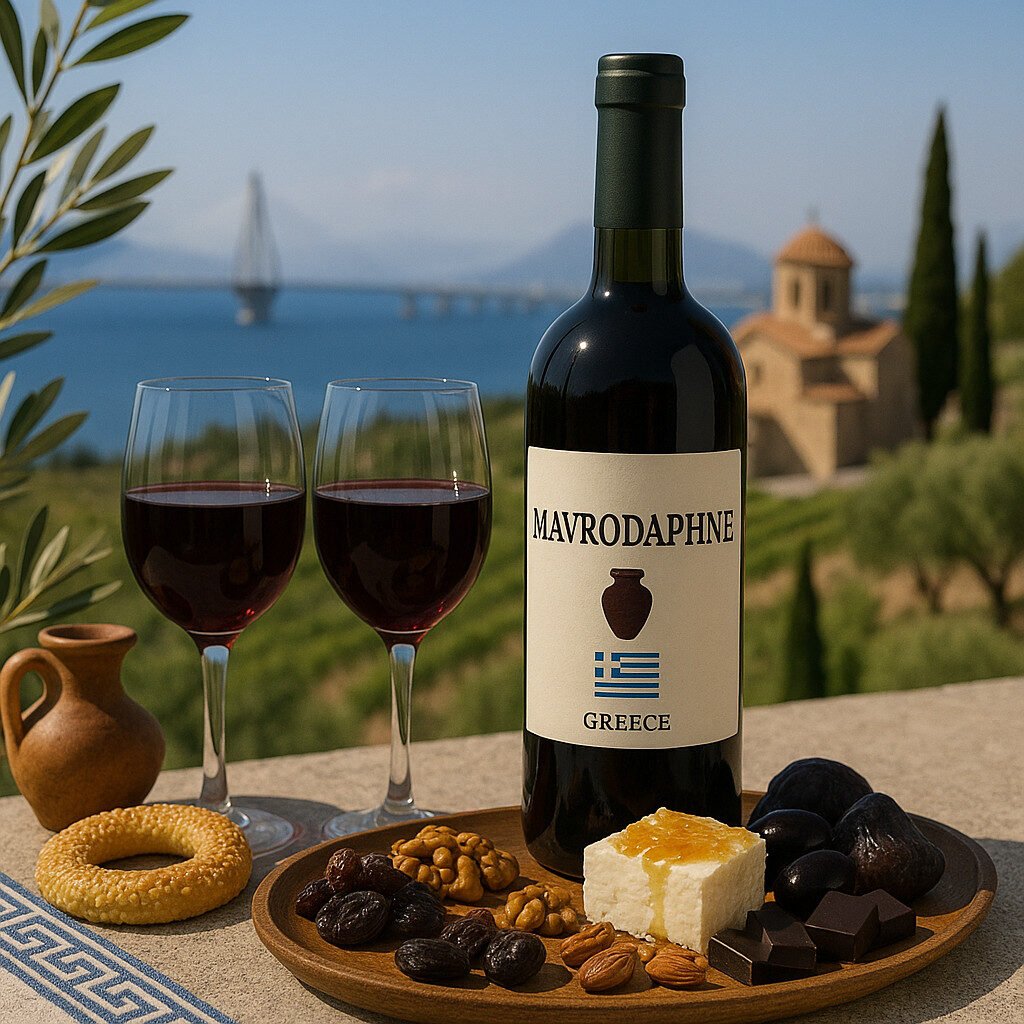
Discover Mavrodaphne, a rich Greek dessert wine with sweet, dark fruit flavors and a velvety finish.
Mavrodaphne Red Wine from Greece: Taste and Production Read More »

Part of the MyCheese.org Network
Part of the MyCheese.org Network
Velvety tannins are a hallmark of high-quality red wines, offering a smooth, soft, and almost creamy texture on the palate. They are often associated with well-integrated tannins that have been softened through careful winemaking or aging. This characteristic enhances the wine's drinkability and appeal, making it feel luxurious and refined.
Certain grape varieties are naturally predisposed to producing velvety tannins, such as Merlot, Pinot Noir, and Tempranillo. These grapes have softer skin structures and lower tannin levels compared to more robust varieties like Cabernet Sauvignon. Winemaking techniques like extended maceration or aging in oak can further refine these tannins, contributing to their velvety quality.
In regions like Bordeaux, Merlot is often blended to add suppleness and smooth tannins to the wine. Similarly, Pinot Noir from Burgundy or cooler climates tends to exhibit delicate, silky tannins that feel velvety on the finish. Understanding these grape traits helps in selecting wines that offer a plush, approachable mouthfeel.
Wine regions known for producing reds with velvety tannins include Pomerol in Bordeaux, where Merlot-dominated blends create lush, smooth wines. The Willamette Valley in Oregon is celebrated for its Pinot Noirs with silky textures, thanks to the cool climate and careful viticulture. These areas prioritize balance, allowing tannins to integrate seamlessly into the wine's structure.
In Spain, Rioja and Ribera del Duero often yield Tempranillo-based wines with velvety tannins, especially after extended aging in oak barrels. New World regions like California's Napa Valley also craft Cabernet Sauvignons with polished tannins through meticulous oak treatment. The terroir and winemaking traditions in these regions play a crucial role in achieving that desirable softness.
When tasting wines with velvety tannins, expect a smooth, rounded mouthfeel that doesn't dry out the palate. These wines often feature flavors of ripe dark fruits, chocolate, or spices, with a long, elegant finish. They are typically approachable in their youth but can also age gracefully, allowing tannins to meld further over time.
Food pairings for velvety-tannined wines include roasted meats, mushroom dishes, or creamy sauces that complement their soft texture. For example, a Merlot with velvety tannins pairs wonderfully with duck confit or grilled lamb, enhancing the meal's richness. Avoid overly spicy or acidic foods that might clash with the wine's smooth character, opting instead for harmonious, savory combinations.
Discover Mavrodaphne, a rich Greek dessert wine with sweet, dark fruit flavors and a velvety finish.
Mavrodaphne Red Wine from Greece: Taste and Production Read More »