
Guyana Merlot: A Rich and Velvety Red Wine

Discover Guyana Merlot, a smooth and robust red wine from Guyana, offering rich fruit flavors and a velvety finish.
Guyana Merlot: A Rich and Velvety Red Wine Read More »
Discover Guyana Merlot, a smooth and robust red wine from Guyana, offering rich fruit flavors and a velvety finish.
Guyana Merlot: A Rich and Velvety Red Wine Read More »
Discover Grenadian Merlot, a rich and smooth red wine from the island of Grenada, offering ripe fruit flavors and a velvety finish.
Grenadian Merlot: A Rich Caribbean Red Read More »
Discover Grenadian White Blend, a vibrant Caribbean wine from Grenada, offering a refreshing and tropical taste with a crisp, lively finish.
Grenadian White Blend: A Taste of the Caribbean Read More »
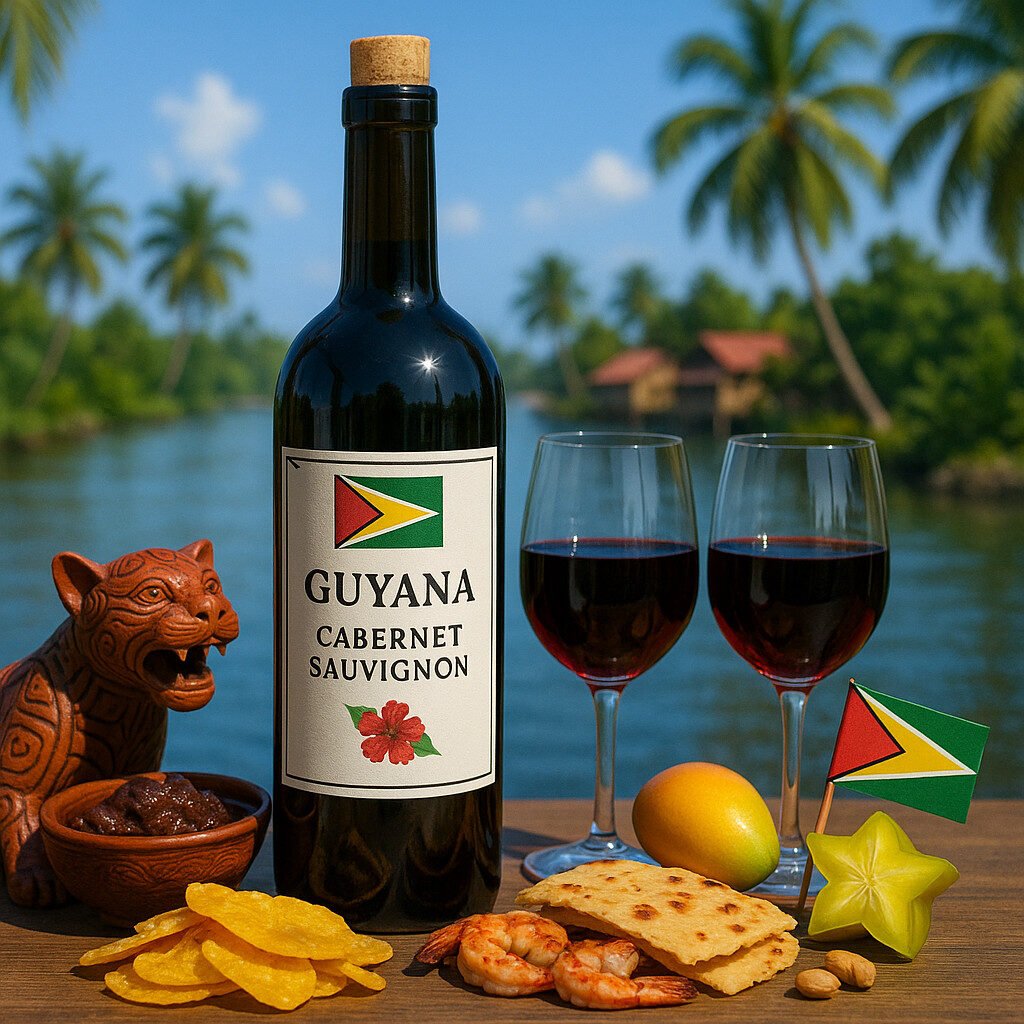
Discover Guyana Cabernet Sauvignon, a bold red wine from Guyana with rich dark fruit flavors and a smooth, full-bodied character.
Guyana Cabernet Sauvignon: A Bold Red from Guyana Read More »
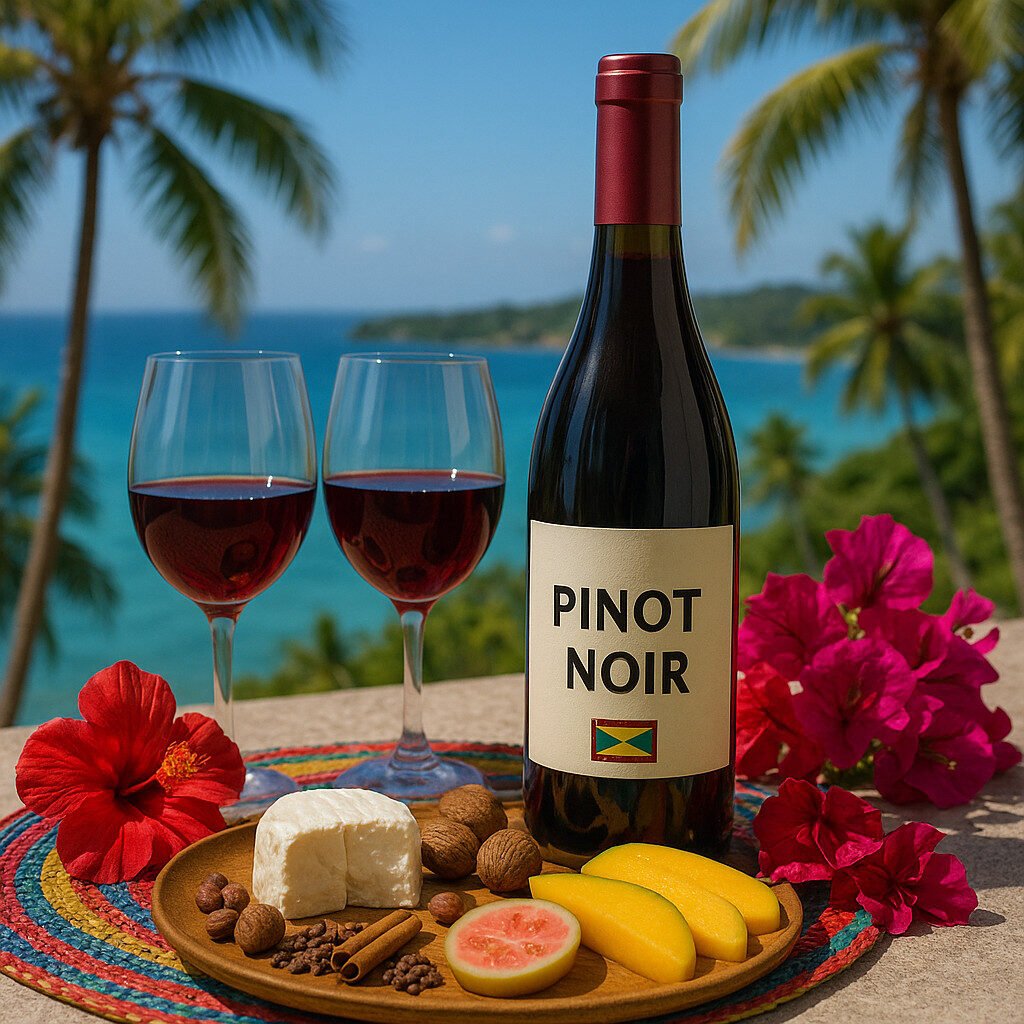
Discover Pinot Noir from Grenada. Experience its unique character and vibrant flavors in every glass.
Grenada Pinot Noir: A Tropical Red Wine Read More »
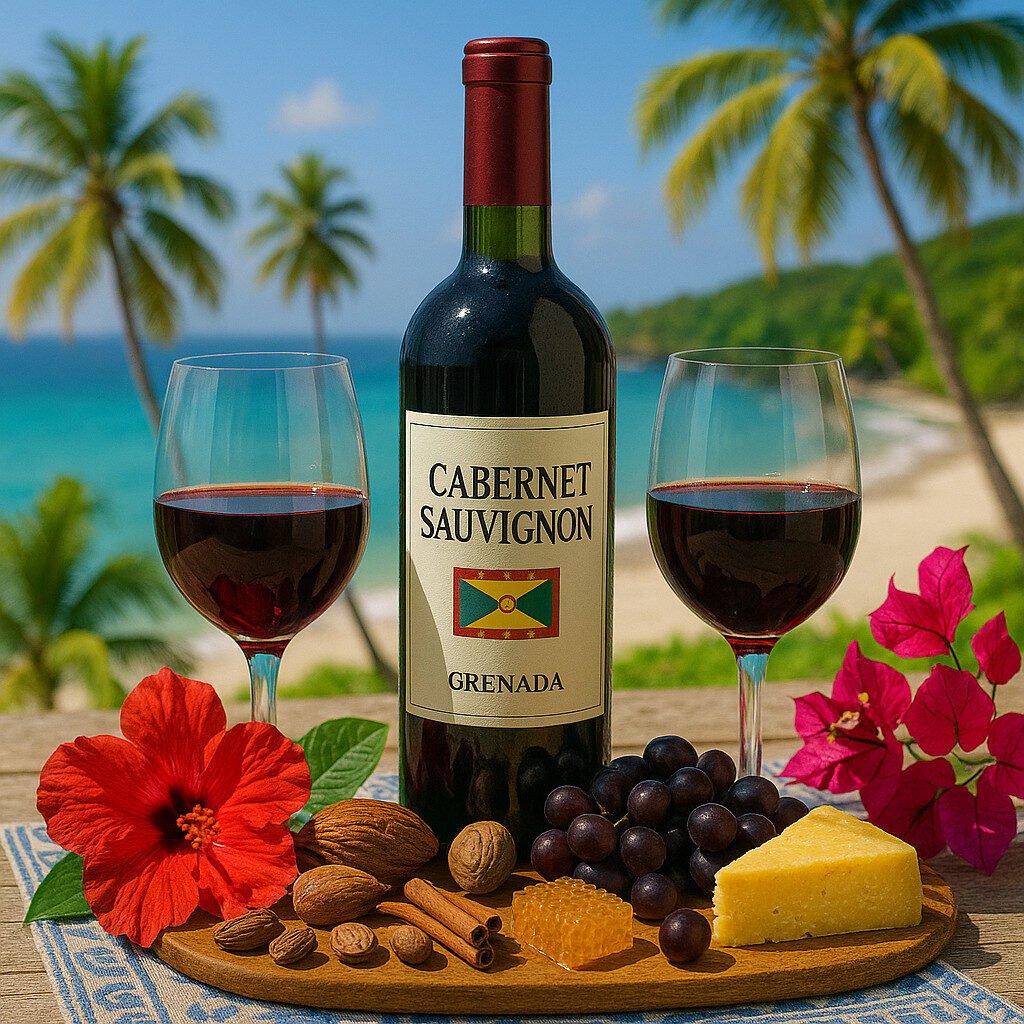
Discover the rich, full-bodied Cabernet Sauvignon from Grenada. Enjoy its bold flavors and smooth finish in every glass.
Cabernet Sauvignon from Grenada: Taste and Varieties Read More »