
Grenadian Cabernet Sauvignon: A Bold Caribbean Red

Discover Grenadian Cabernet Sauvignon, a bold red wine from Grenada with rich dark fruit flavors and a smooth, structured finish.
Grenadian Cabernet Sauvignon: A Bold Caribbean Red Read More »
Discover Grenadian Cabernet Sauvignon, a bold red wine from Grenada with rich dark fruit flavors and a smooth, structured finish.
Grenadian Cabernet Sauvignon: A Bold Caribbean Red Read More »
Discover Grenadian Merlot, a rich and smooth red wine from the island of Grenada, offering ripe fruit flavors and a velvety finish.
Grenadian Merlot: A Rich Caribbean Red Read More »
Discover Grenadian Sparkling Wine from Grenada, a vibrant and effervescent wine that captures the island’s tropical character and lively spirit.
Grenadian Sparkling Wine: Caribbean Elegance Read More »
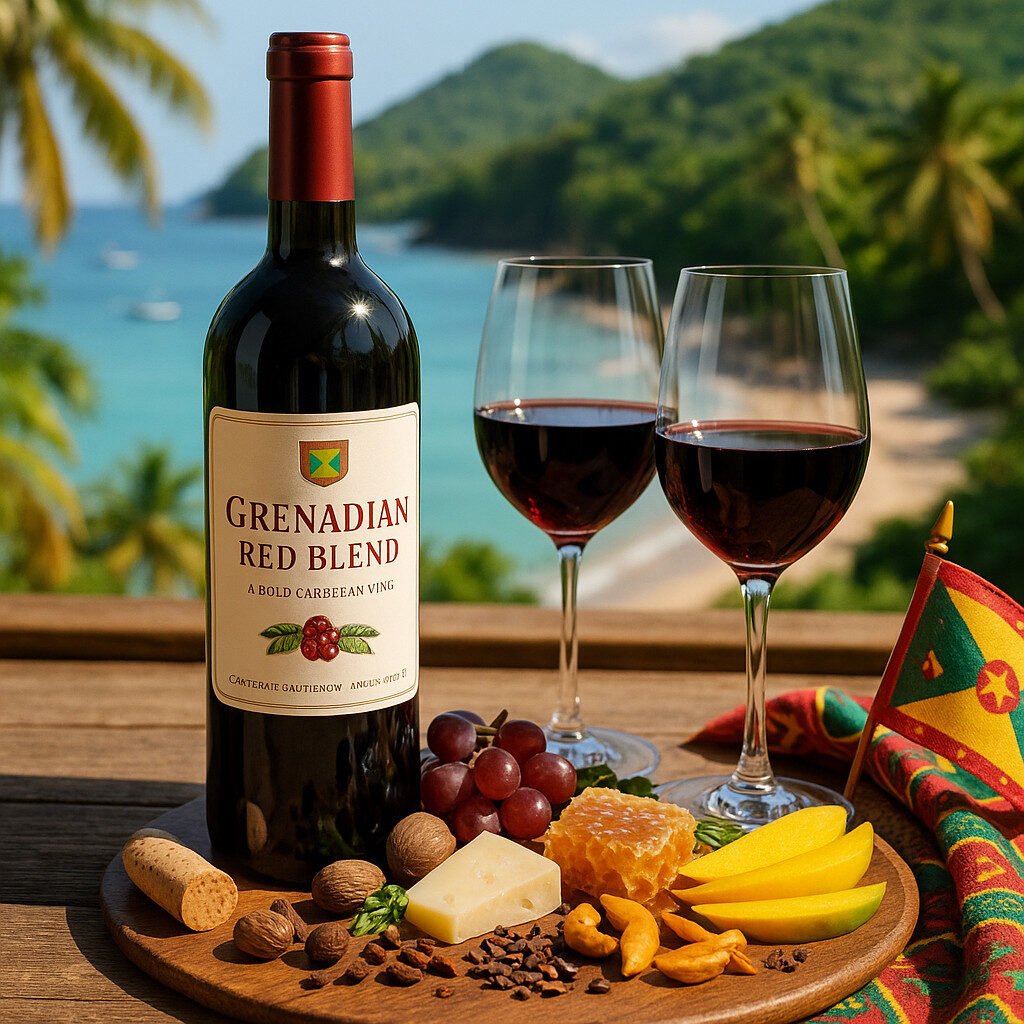
Discover Grenadian Red Blend, a vibrant wine from Grenada that showcases rich, fruity flavors and a smooth, inviting character.
Grenadian Red Blend: A Bold Caribbean Wine Read More »
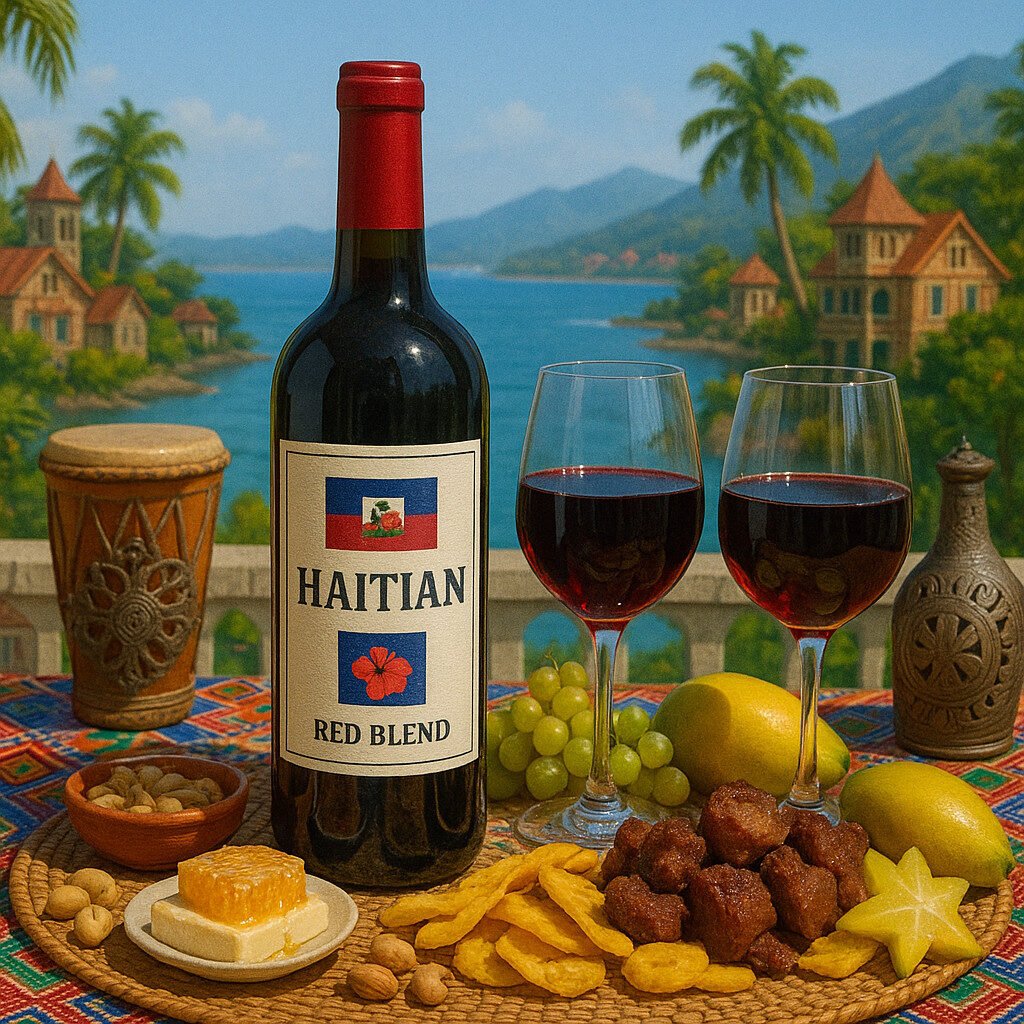
Discover Haiti’s Red Blend, a vibrant wine with rich fruit flavors and a smooth, balanced profile from the heart of the Caribbean.
Haitian Red Blend: A Bold Caribbean Wine Read More »
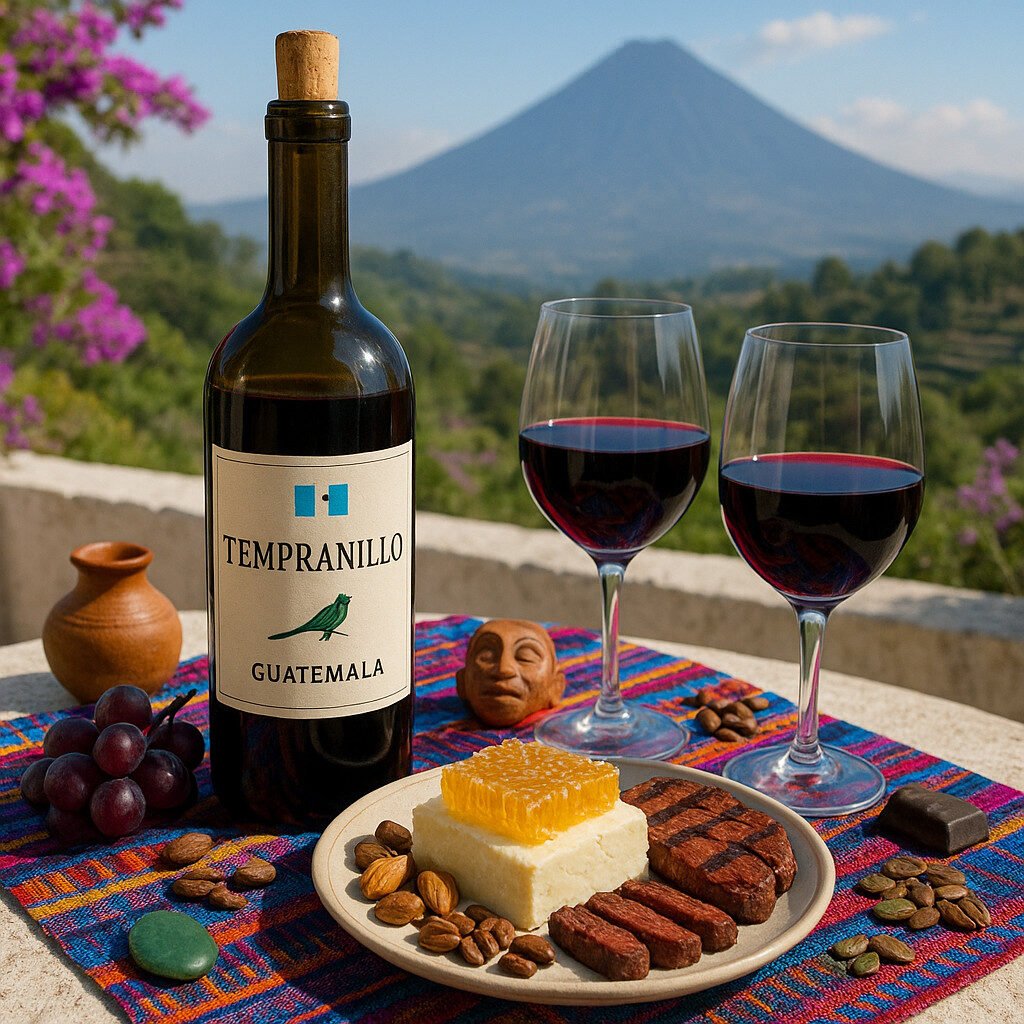
Discover Guatemalan Tempranillo, a vibrant red wine with bold fruit flavors and a smooth, elegant finish from Central America’s highlands.
Guatemalan Tempranillo: A Bold Red Wine Read More »
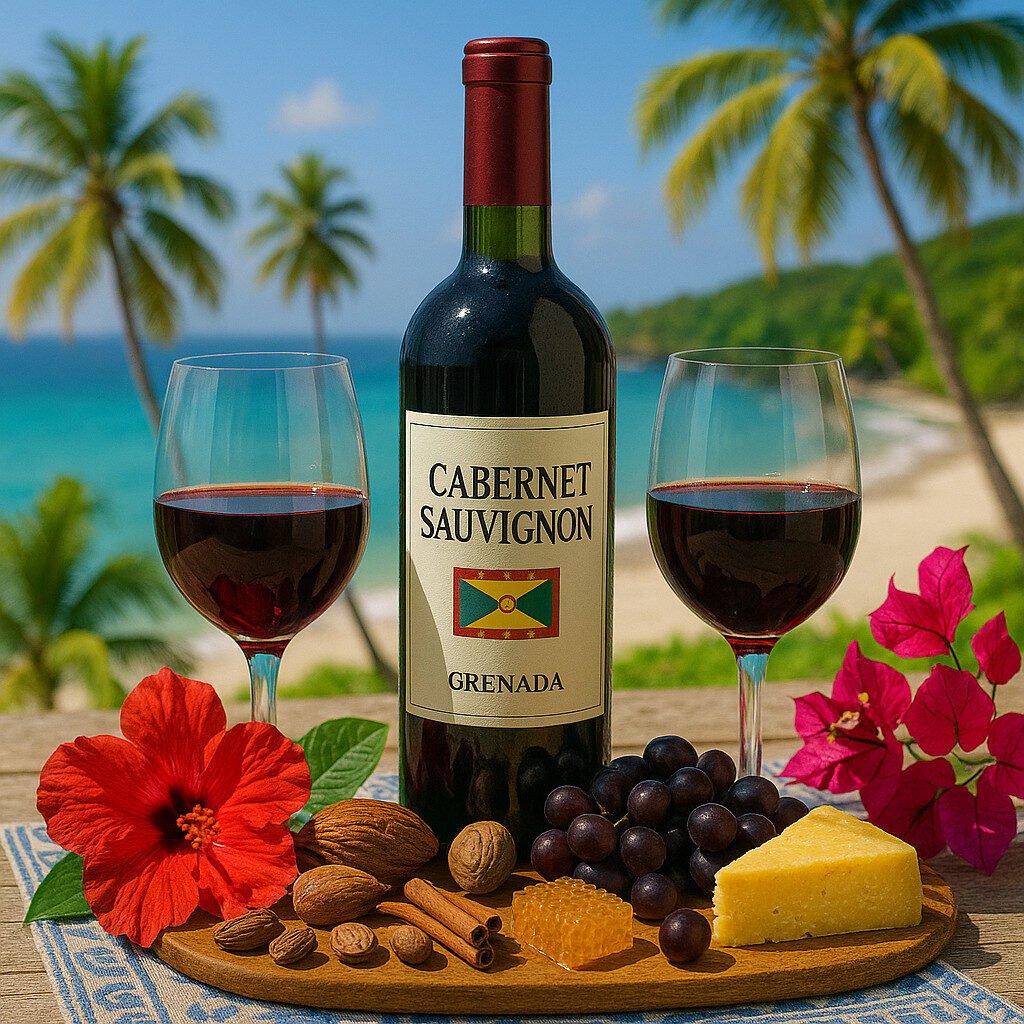
Discover the rich, full-bodied Cabernet Sauvignon from Grenada. Enjoy its bold flavors and smooth finish in every glass.
Cabernet Sauvignon from Grenada: Taste and Varieties Read More »