Juhfark: A Unique Hungarian White Wine
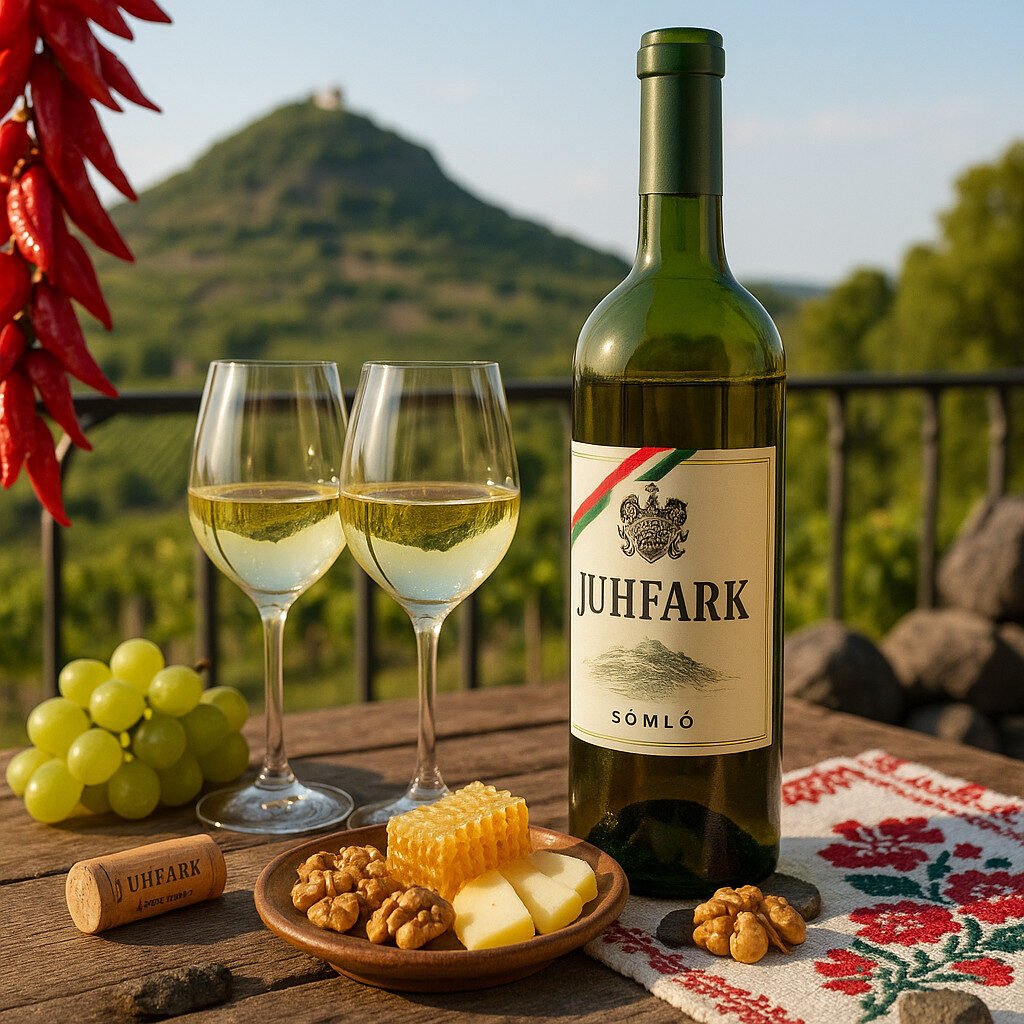
Discover Juhfark, a unique Hungarian white wine known for its mineral-driven character, vibrant acidity, and distinctive volcanic terroir.
Juhfark: A Unique Hungarian White Wine Read More »

Part of the MyCheese.org Network
Part of the MyCheese.org Network
Understanding the structure of wine helps enthusiasts navigate the vast world of options, from grape varieties and regions to tasting profiles and food pairings.
Grape varieties are the foundation of wine, each contributing unique flavors and characteristics. For example, Cabernet Sauvignon offers bold tannins and dark fruit notes, while Chardonnay can range from crisp and citrusy to rich and buttery. Knowing these varieties aids in predicting a wine's style and selecting one that suits your palate.
Some grapes are known for their versatility, thriving in diverse climates and producing various wine styles. Pinot Noir, with its delicate red fruit and earthy undertones, adapts well to cooler regions, whereas Grenache excels in warm areas, yielding ripe, spicy reds. Exploring different grapes opens up a world of tasting experiences and regional specialties.
Wine regions play a crucial role in shaping a wine's identity through their unique terroir, which includes soil, climate, and topography. Famous regions like Bordeaux in France are renowned for structured red blends, while Napa Valley in California is celebrated for its powerful Cabernet Sauvignon. These geographical distinctions influence everything from grape ripening to wine complexity.
Old World regions, such as Italy and Spain, often emphasize tradition and terroir-driven wines with earthy notes. In contrast, New World areas like Australia and Chile focus on fruit-forward styles and innovative techniques. Understanding regional differences helps in appreciating the diversity and history behind each bottle.
Wine styles range from light and refreshing whites to full-bodied, age-worthy reds, each with distinct tasting notes. A Sauvignon Blanc might exhibit zesty acidity with flavors of grapefruit and grass, whereas a Syrah could feature peppery spices and dark berries. Tasting involves assessing appearance, aroma, flavor, and finish to fully experience the wine.
Food pairing enhances both the wine and the meal, with general guidelines like matching weight and intensity. A crisp Riesling pairs well with spicy dishes, while a robust Malbec complements grilled meats. Experimenting with pairings can elevate dining experiences and reveal new dimensions in familiar wines.
Discover Juhfark, a unique Hungarian white wine known for its mineral-driven character, vibrant acidity, and distinctive volcanic terroir.
Juhfark: A Unique Hungarian White Wine Read More »