
Malagousia White Wine from Greece: Aromatic Profile

Discover Malagousia, a crisp Greek white wine with aromatic notes of citrus and peach. Perfect for seafood pairings.
Malagousia White Wine from Greece: Aromatic Profile Read More »
Discover Malagousia, a crisp Greek white wine with aromatic notes of citrus and peach. Perfect for seafood pairings.
Malagousia White Wine from Greece: Aromatic Profile Read More »

Discover Chenin Blanc from Grenada. Experience its crisp, tropical flavors and vibrant acidity in every refreshing sip.
Chenin Blanc Grenada: Taste and Production Read More »

Discover Guyana Merlot, a smooth and robust red wine from Guyana, offering rich fruit flavors and a velvety finish.
Guyana Merlot: A Rich and Velvety Red Wine Read More »
Discover Grenadian White Blend, a vibrant Caribbean wine from Grenada, offering a refreshing and tropical taste with a crisp, lively finish.
Grenadian White Blend: A Taste of the Caribbean Read More »
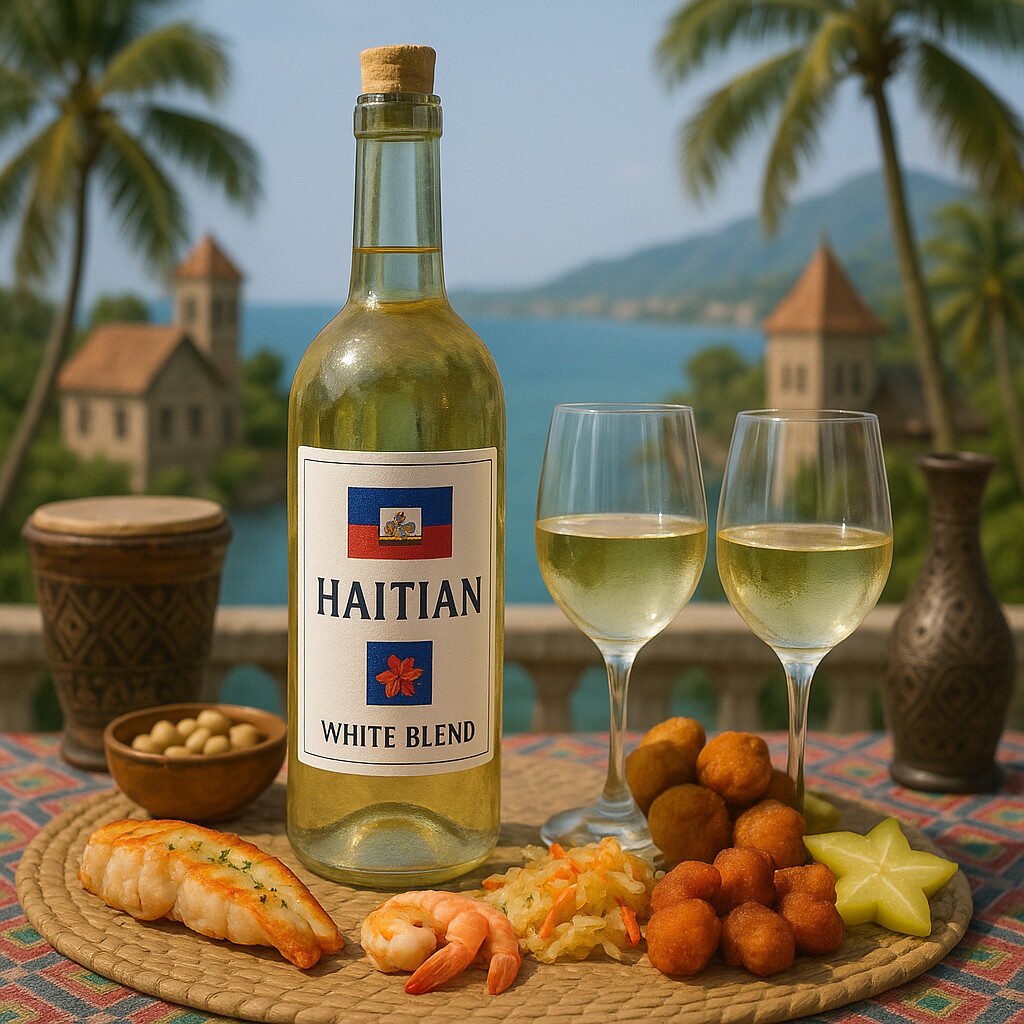
Discover Haiti’s White Blend, a vibrant and refreshing wine that showcases the unique terroir and tropical character of the Caribbean.
Haitian White Blend: A Tropical Wine Profile Read More »
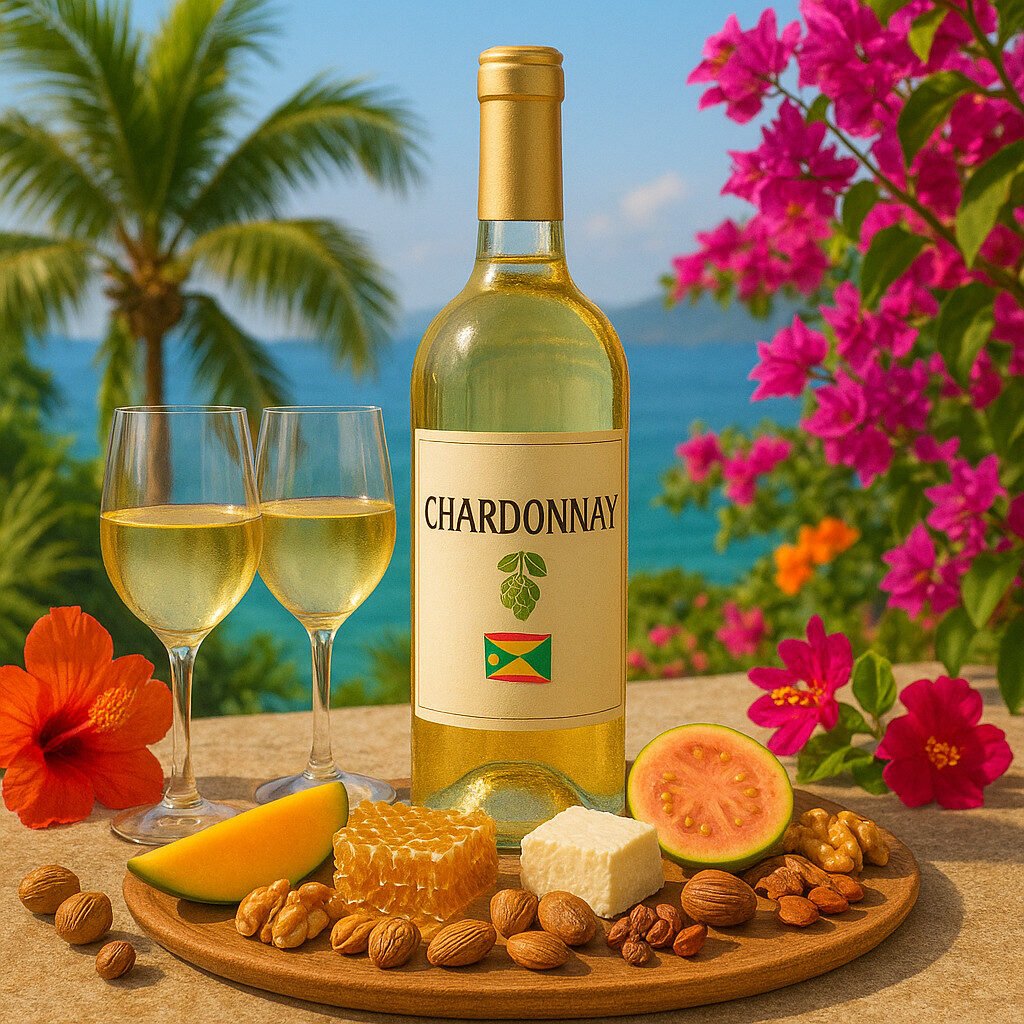
Discover Chardonnay from Grenada. Experience tropical flavors and unique terroir in this vibrant Caribbean wine.
Chardonnay Grenada: Taste and Production Read More »
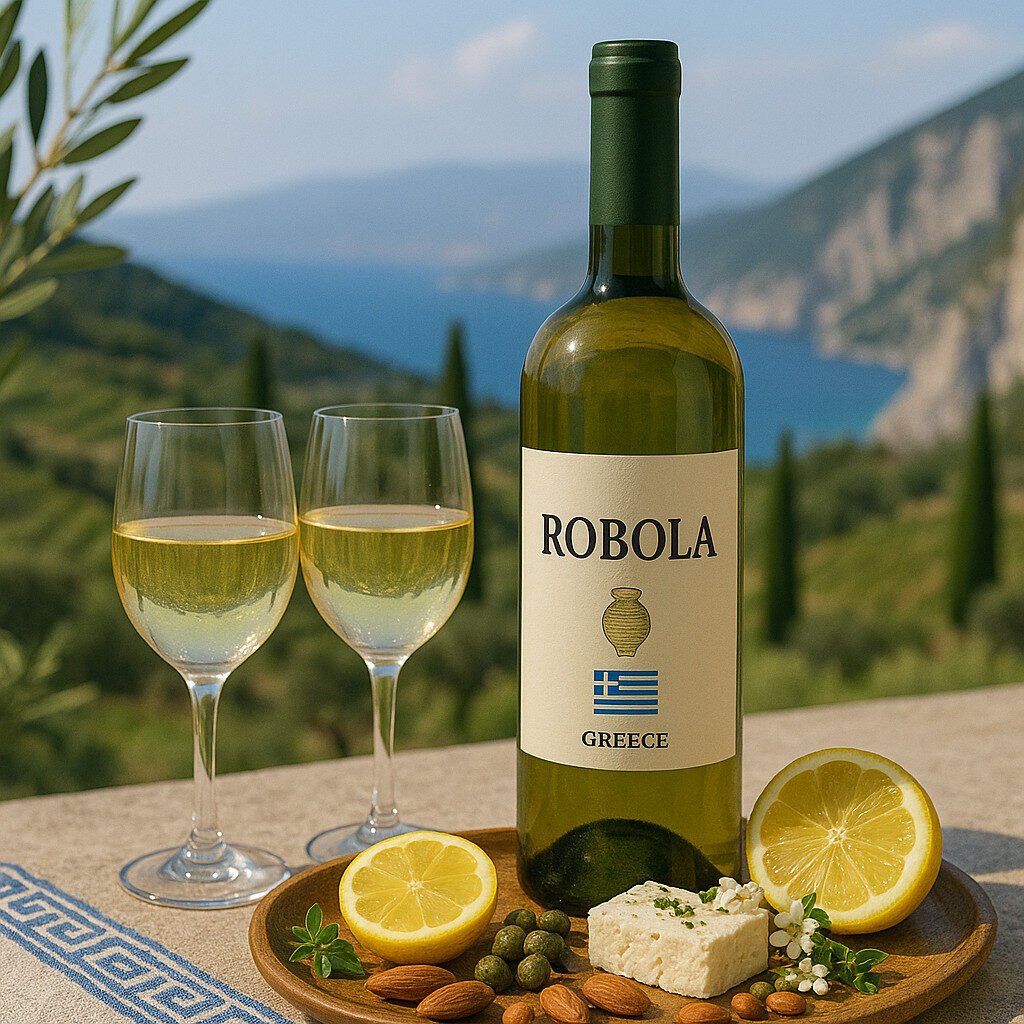
Discover Robola, a crisp Greek white wine from Cephalonia. Enjoy its vibrant citrus notes and refreshing minerality.
Robola Wine Greece: Taste and Varieties Read More »
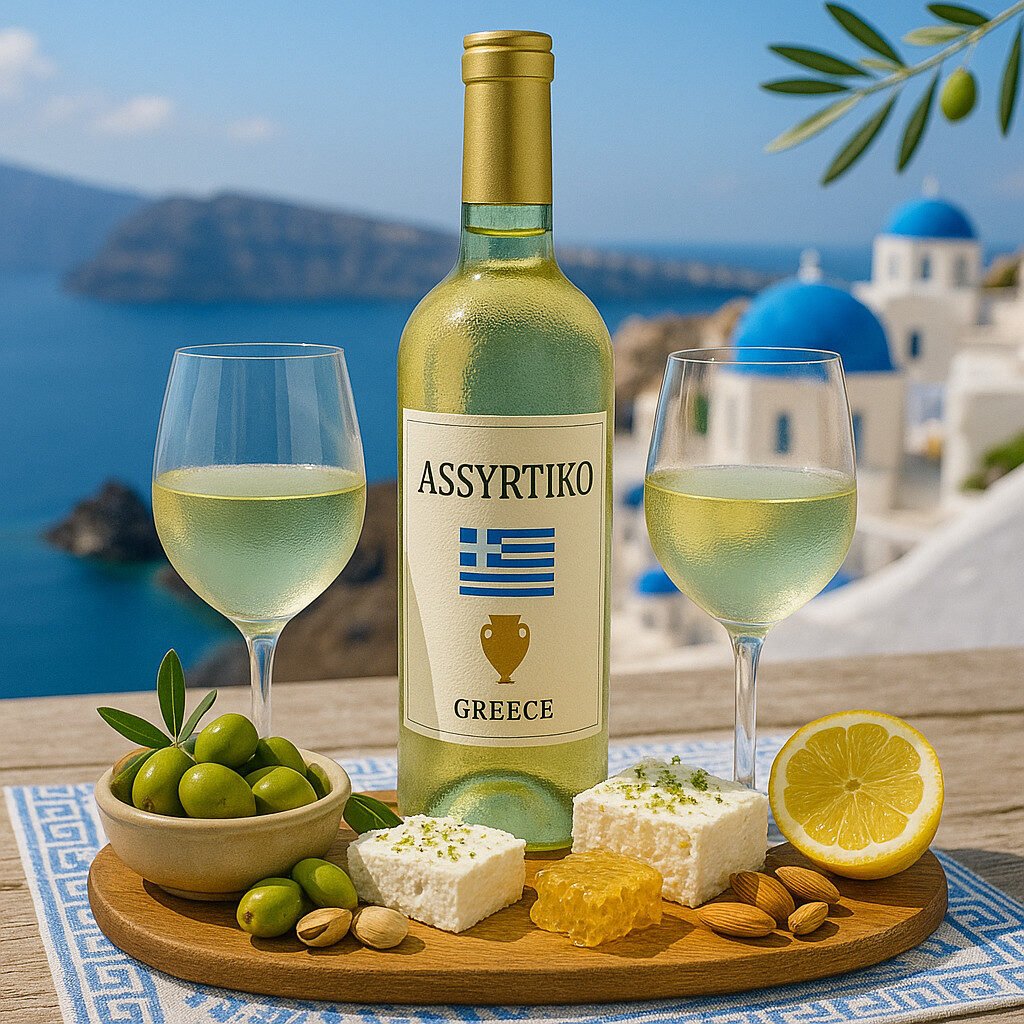
Discover Assyrtiko, a crisp Greek white wine from Santorini with vibrant citrus notes and mineral complexity. Perfect with seafood.
Assyrtiko Greece: Taste and Production Read More »
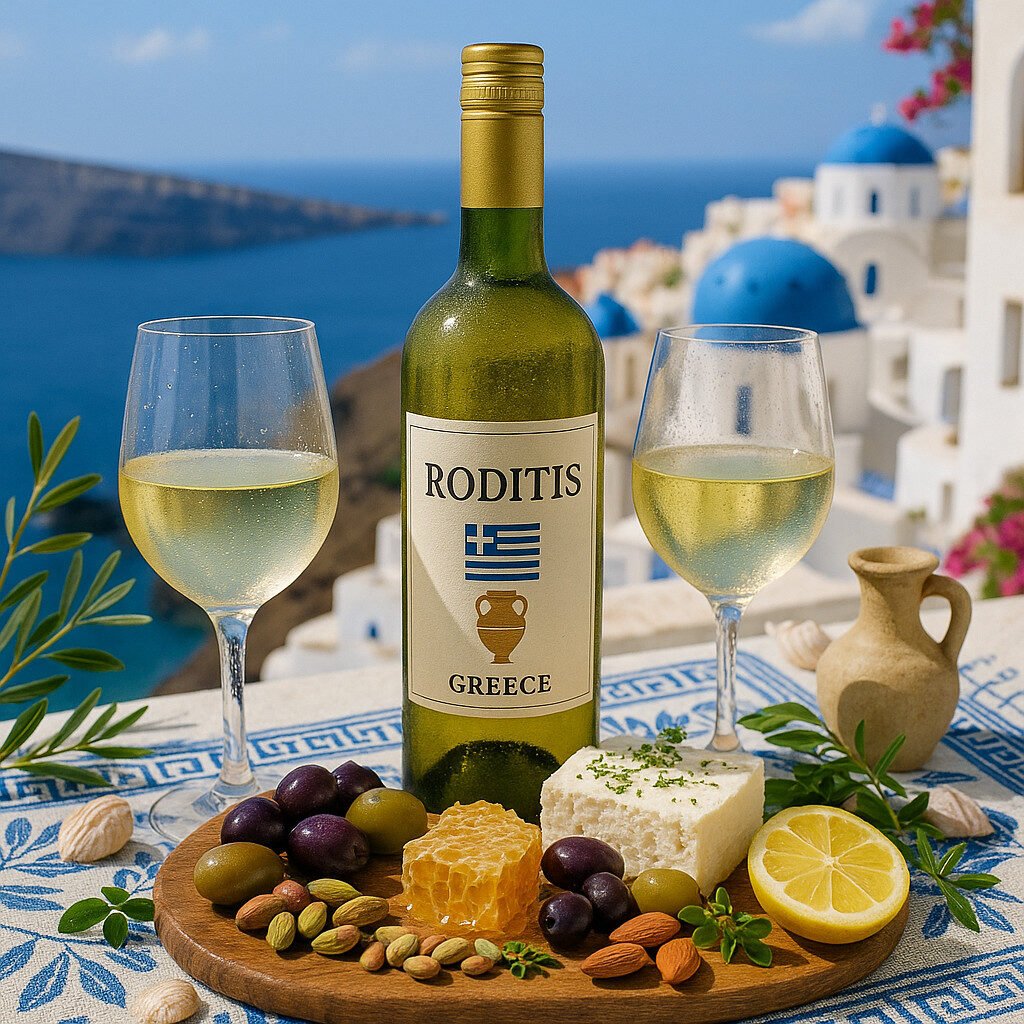
Discover Roditis, a crisp Greek white wine with vibrant citrus notes and refreshing acidity. Perfect for pairing with seafood and light dishes.
Roditis White Wine from Greece: A Profile Read More »
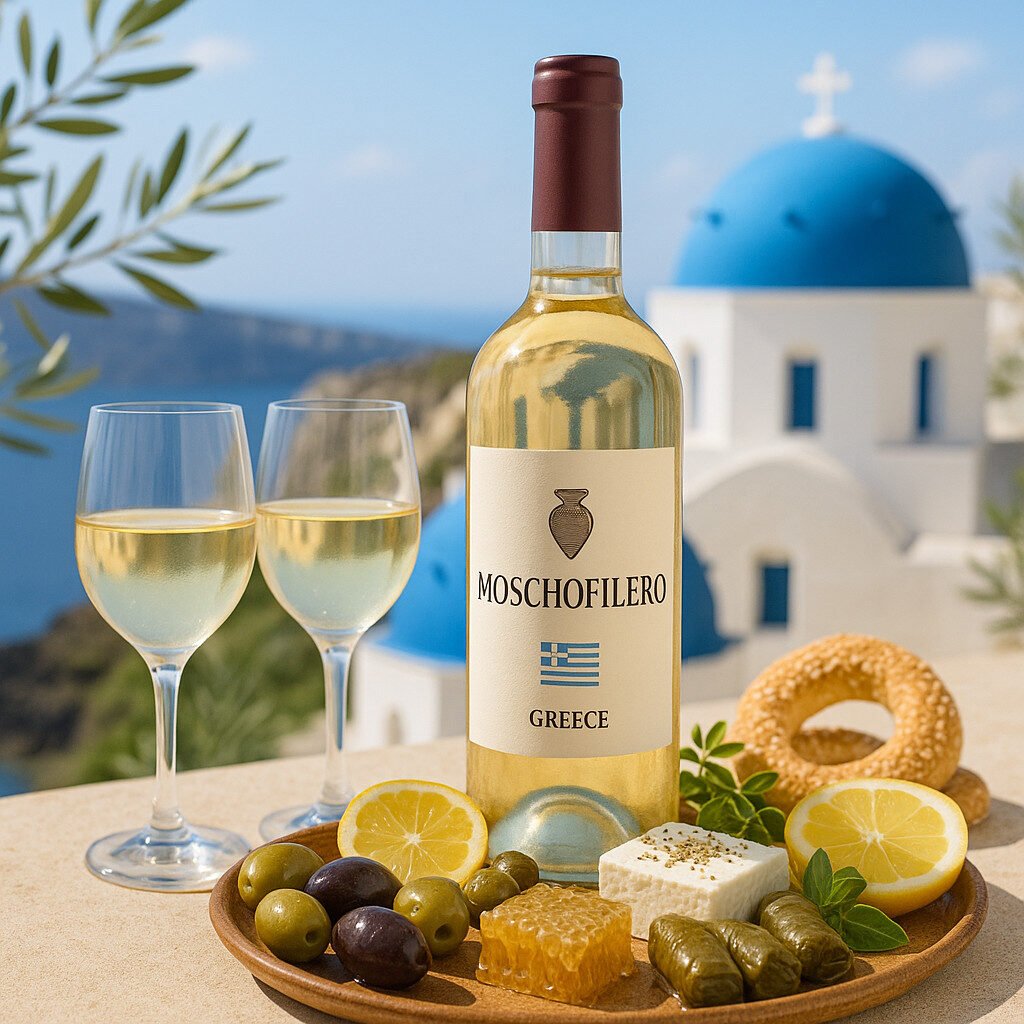
Discover Moschofilero, a crisp Greek white wine with vibrant citrus and floral notes. Perfect for pairing with seafood and light dishes.
Moschofilero: Greek Wine Taste and Varieties Read More »
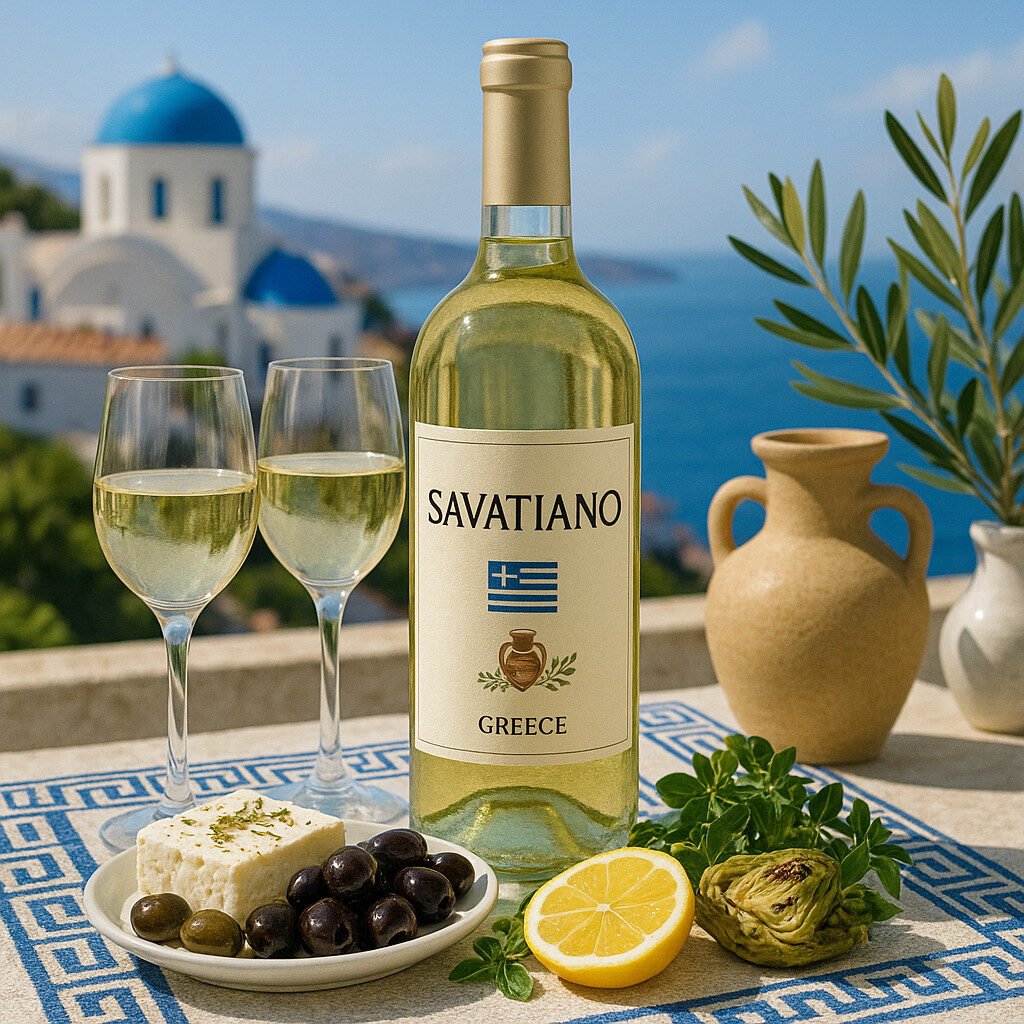
Discover Savatiano, Greece’s signature white wine. Enjoy its crisp, refreshing taste and authentic Greek character in every glass.
Savatiano Wine: Greek Varieties and Taste Read More »
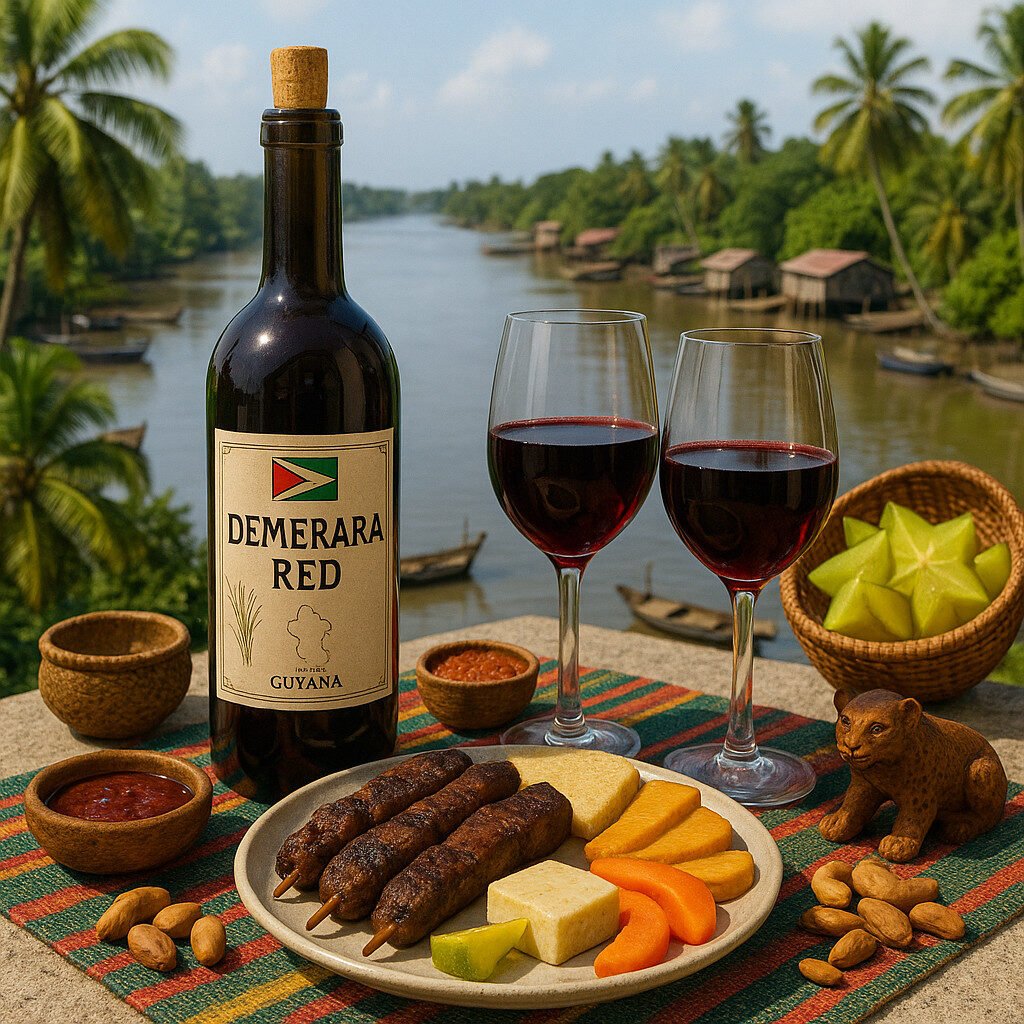
Discover Demerara Red, a vibrant wine from Guyana with a rich, fruity character and a smooth, inviting finish.
Demerara Red: A Bold Guyanese Wine Read More »