German Riesling: A Crisp and Elegant White Wine
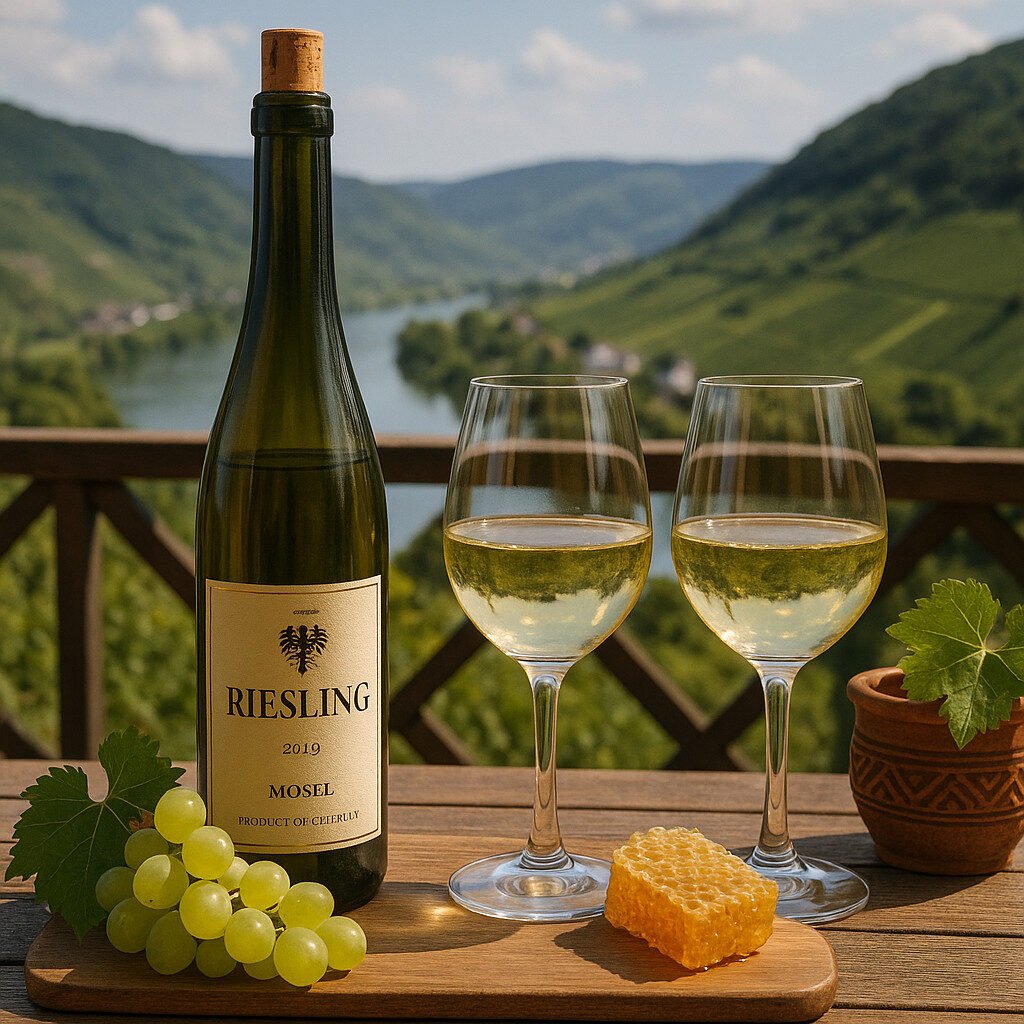
Discover German Riesling, a crisp and aromatic white wine celebrated for its vibrant acidity, fruity notes, and elegant minerality.
German Riesling: A Crisp and Elegant White Wine Read More »

Part of the MyCheese.org Network
Part of the MyCheese.org Network
Slate minerality is a distinctive characteristic found in certain wines, often associated with specific terroirs where slate-rich soils influence the grape's development. This term describes a stony, wet stone, or graphite-like quality that adds complexity and a sense of place to the wine. It is most commonly noted in white wines but can also appear in reds from particular regions.
Riesling is the grape variety most famously linked to slate minerality, especially when grown in regions like Germany's Mosel, where steep slate slopes define the landscape. The mineral character in these wines often presents as flinty or smoky, enhancing the vibrant acidity and fruit notes. Other varieties such as Albariño from Spain's Rías Baixas or Assyrtiko from Santorini can also exhibit slate-driven nuances due to their volcanic or granitic soils.
In red wines, grapes like Syrah from the Northern Rhône or Blaufränkisch from Austria may display slate minerality, contributing a savory, earthy edge to the palate. The mineral expression in these wines typically complements dark fruit flavors and peppery spices, adding layers of complexity. Winemaking techniques that emphasize terroir, such as minimal oak intervention, help preserve these delicate mineral notes.
The Mosel region in Germany is iconic for its steep, slate-covered vineyards that produce Rieslings with pronounced mineral character, often described as wet slate or crushed rocks. These soils retain heat and reflect sunlight, aiding ripening while imparting a unique crispness to the wine. Other German regions like the Rheingau and Nahe also showcase slate influences, though with varying expressions.
Outside Germany, the Priorat region in Spain uses llicorella, a type of slate soil, to grow Garnacha and Cariñena grapes, resulting in powerful reds with a distinct mineral backbone. In France, the Côte-Rôtie appellation in the Rhône Valley features schist and slate soils that contribute to the smoky, mineral complexity in Syrah. Similarly, Portugal's Douro Valley utilizes schistous soils for Port and table wines, adding a stony nuance to the rich fruit profiles.
Wines with slate minerality often exhibit aromas and flavors of wet stones, flint, graphite, or crushed gravel, which can be subtle or pronounced depending on the wine's origin. On the palate, this minerality typically provides a clean, sharp finish that balances fruitiness and acidity, making the wine feel refreshing and structured. It is a key component in assessing the wine's terroir-driven authenticity and aging potential.
When pairing food with slate-mineral wines, consider dishes that highlight or contrast the stony character, such as oysters, grilled fish, or sushi for white wines like Riesling. For reds with mineral notes, roasted meats, game, or mushroom-based dishes work well, as the earthiness complements the wine's savory elements. The crisp acidity in these wines also makes them excellent with salty or fatty foods, cleansing the palate between bites.
Discover German Riesling, a crisp and aromatic white wine celebrated for its vibrant acidity, fruity notes, and elegant minerality.
German Riesling: A Crisp and Elegant White Wine Read More »