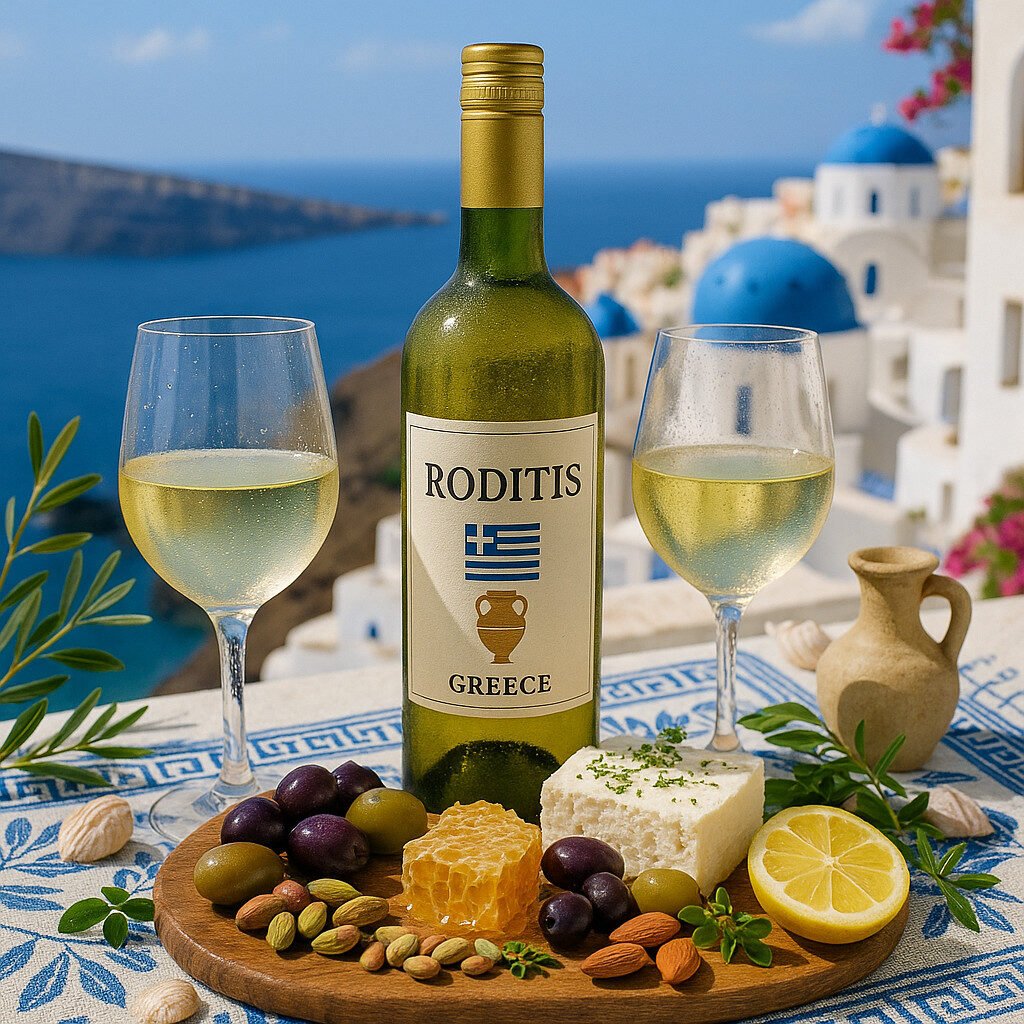
Single-Varietal
Single-varietal wines are made from one grape type, offering a pure expression of its character and origin.
Grape Varieties
Common single-varietal grapes include Cabernet Sauvignon, Chardonnay, and Pinot Noir. Each grape brings distinct flavors and structural elements to the wine. Understanding these varieties helps in appreciating their unique profiles.
For example, Sauvignon Blanc often displays citrus and herbal notes, while Merlot tends to be soft and fruity. These characteristics are influenced by the grape's natural traits. Choosing a single-varietal wine allows you to explore these differences directly.
Wine Regions
Many renowned wine regions specialize in single-varietal bottlings, such as Napa Valley for Cabernet Sauvignon. The terroir of these areas enhances the grape's inherent qualities. This focus results in wines that are true to their variety and place.
In regions like Burgundy, Pinot Noir and Chardonnay are celebrated for their purity and complexity. The climate and soil play crucial roles in shaping the wine's style. Exploring regional examples deepens your understanding of single-varietal expressions.
Tasting and Pairing
Tasting single-varietal wines reveals clear flavor profiles, such as the blackcurrant in Cabernet or apple in Chardonnay. These notes make it easier to identify and enjoy the grape's essence. It's a straightforward way to develop your palate.
Food pairing is often simpler with single-varietal wines, matching like with like, such as Chardonnay with creamy dishes. The wine's dominant flavors complement rather than compete with the food. This approach enhances both the dining and drinking experience.