Savatiano
Savatiano is a white grape variety indigenous to Greece, most famously associated with the production of Retsina wine. It is highly valued for its drought resistance and ability to thrive in the hot, dry climate of central Greece. This versatile grape can produce both crisp, everyday wines and more complex, aged expressions.
Grape Characteristics
Savatiano grapes are known for their thick skins and high yields, making them resilient to heat and water stress. They typically exhibit moderate acidity and neutral aromas, which allow winemakers to craft a range of styles. The grape's adaptability is a key reason for its widespread cultivation across Greece.
In the vineyard, Savatiano is relatively low-maintenance and resistant to common diseases, contributing to its popularity among growers. It ripens late in the season, often benefiting from the extended sunshine of the Greek autumn. These traits help ensure consistent quality and production year after year.
Wine Styles and Tasting Notes
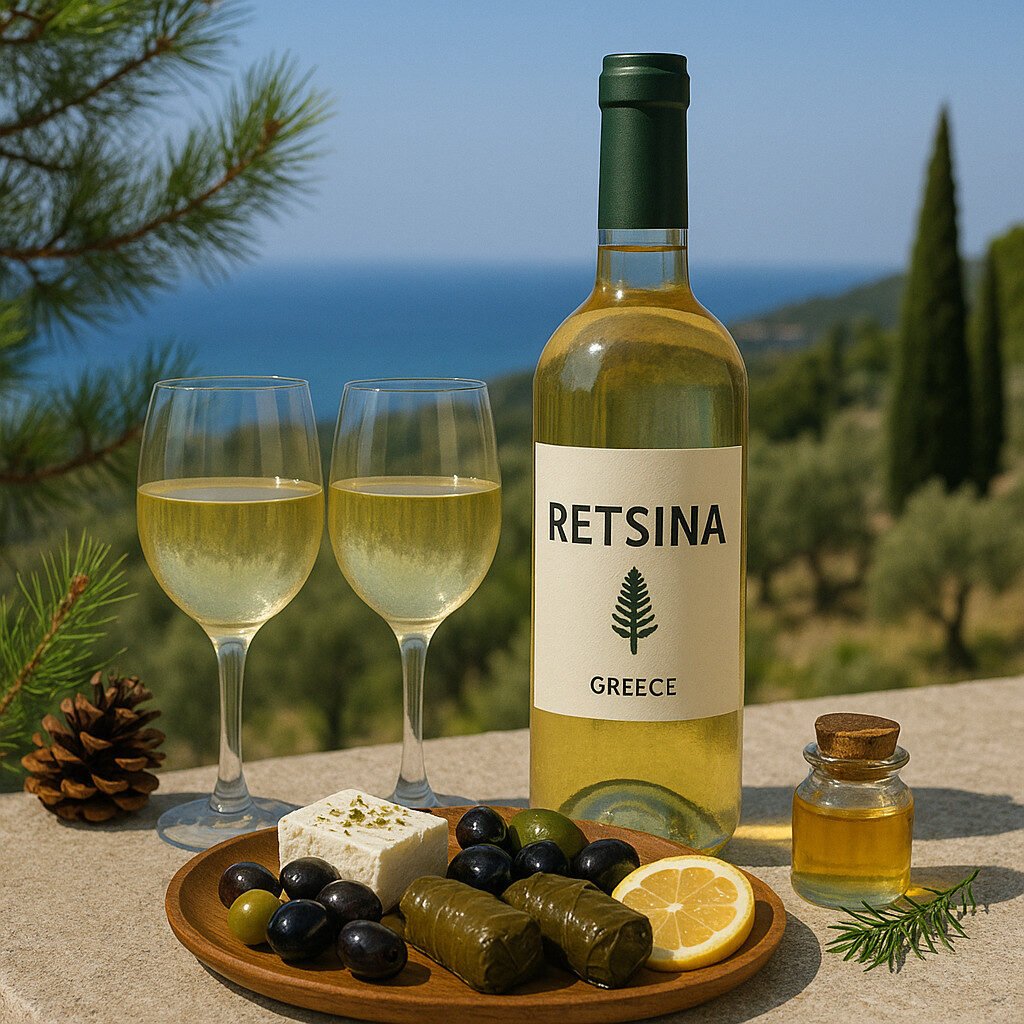
Savatiano is most famous for Retsina, a traditional wine flavored with pine resin, offering distinctive herbal and pine notes alongside citrus flavors. However, modern winemaking also produces non-resinated versions that are fresh and fruity. These wines often display notes of green apple, pear, and subtle floral hints.
When aged or made with care, Savatiano can develop more complexity, with hints of honey, nuts, and minerals. The texture can range from light and zesty to richer and more rounded, depending on vinification techniques. Overall, it provides an accessible and refreshing drinking experience.
Food Pairing and Regional Significance
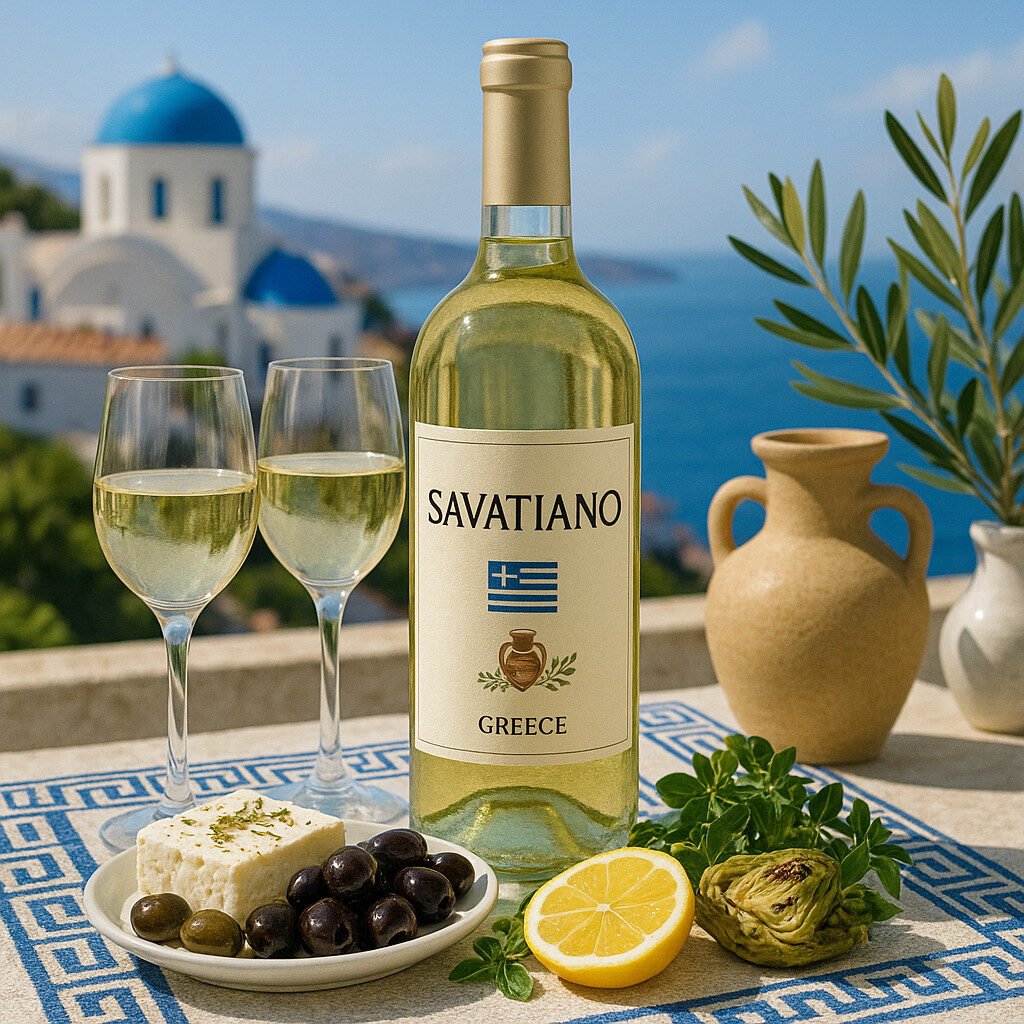
Savatiano wines, especially young and crisp examples, pair wonderfully with Greek meze such as feta cheese, olives, and grilled seafood. The resinous character of Retsina complements strongly flavored dishes like lamb kebabs or stuffed vine leaves. Its versatility makes it a staple on Greek dining tables.
While Savatiano is grown throughout Greece, its heartland is in Attica, particularly around Athens, where it has been cultivated for centuries. It plays a crucial role in the local wine culture and economy. Many producers are now focusing on quality-driven, non-resinated bottlings to showcase the grape's true potential.