Robola Wine Greece: Taste and Varieties
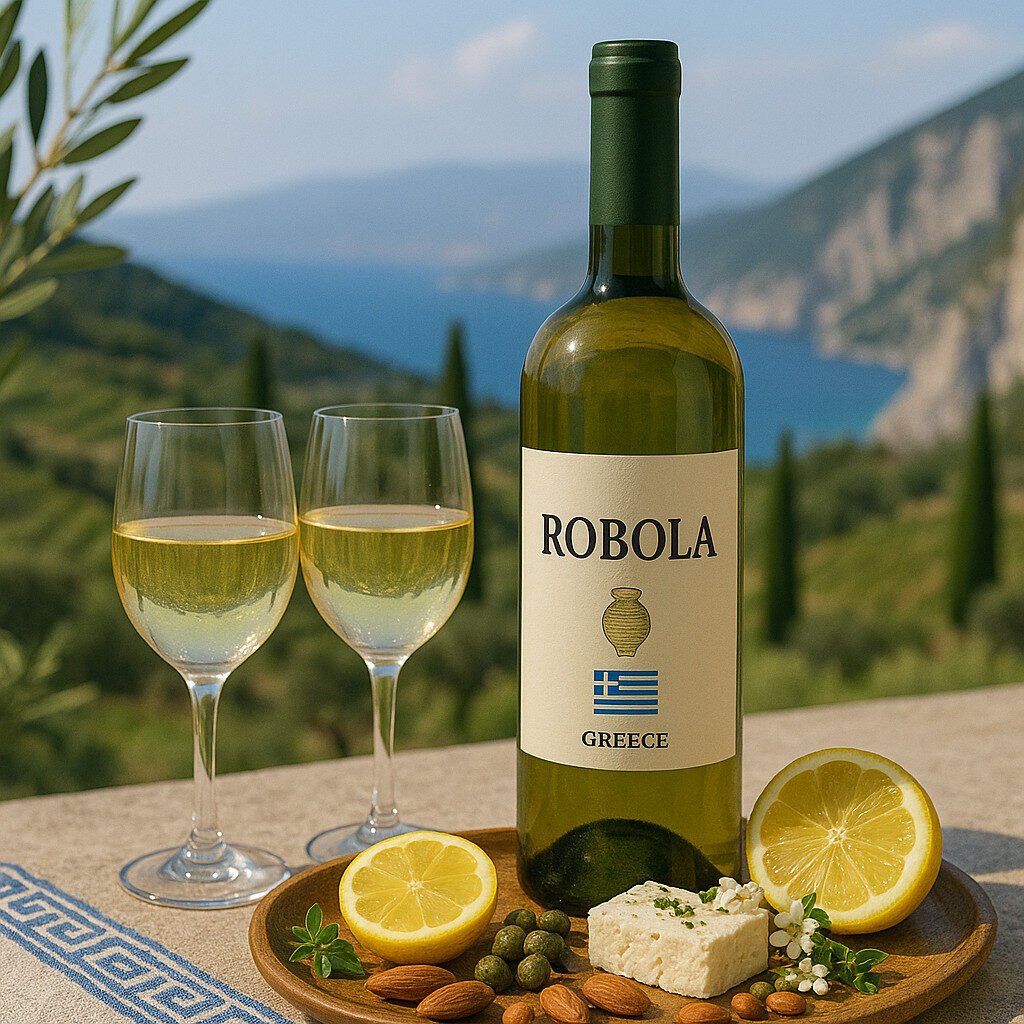
Discover Robola, a crisp Greek white wine from Cephalonia. Enjoy its vibrant citrus notes and refreshing minerality.
Robola Wine Greece: Taste and Varieties Read More »

Part of the MyCheese.org Network
Part of the MyCheese.org Network
Salinity in wine refers to the subtle mineral, briny, or sea-like flavors that can be detected on the palate, often associated with wines from coastal regions or specific terroirs. This characteristic adds complexity and a refreshing quality to the wine, enhancing its overall profile. It is particularly prized in white wines and some lighter reds, where it complements acidity and fruit notes.
Certain grape varieties are more prone to expressing salinity due to their growing conditions and inherent characteristics. For example, Assyrtiko from Santorini, Albariño from Rías Baixas, and Muscadet from the Loire Valley often showcase pronounced saline notes. These grapes thrive in maritime climates where sea breezes and mineral-rich soils influence their flavor development.
In red wines, varieties like Nerello Mascalese from Mount Etna or some Pinot Noir from coastal California can exhibit subtle saline undertones. The salinity in these wines often balances their fruitiness and adds a layer of intrigue, making them versatile with food. Winemaking techniques, such as aging on lees or in concrete, can also enhance these mineral qualities.
Coastal wine regions are famous for producing wines with noticeable salinity, as proximity to the sea impacts the vineyard environment. Notable examples include the Greek island of Santorini, Spain's Rías Baixas, and France's Muscadet Sèvre-et-Maine, where briny flavors are a hallmark. The salty air, sandy or volcanic soils, and cool climates contribute to this distinct trait.
Other regions like Sicily's Mount Etna, Chile's coastal Casablanca Valley, and South Africa's Walker Bay also yield wines with saline characteristics. In these areas, the combination of ocean influence and unique geology imparts a crisp, mineral edge to the wines. This regional signature helps wine enthusiasts identify and appreciate the terroir-driven aspects of each bottle.
When tasting for salinity, look for flavors reminiscent of sea spray, oyster shell, or wet stone, often accompanied by bright acidity and a clean finish. These notes can appear in both white and red wines, adding a savory dimension that contrasts with sweeter or fruitier elements. Salinity typically makes the wine feel more refreshing and mouthwatering on the palate.
Saline wines pair exceptionally well with seafood dishes, such as oysters, grilled fish, or ceviche, where the briny flavors harmonize with the food. They also complement salty cheeses, olives, and Mediterranean cuisine, enhancing the overall dining experience. The mineral quality can cut through rich or fatty foods, providing balance and elevating simple meals.
Discover Robola, a crisp Greek white wine from Cephalonia. Enjoy its vibrant citrus notes and refreshing minerality.
Robola Wine Greece: Taste and Varieties Read More »