
Guyana Merlot: A Rich and Velvety Red Wine

Discover Guyana Merlot, a smooth and robust red wine from Guyana, offering rich fruit flavors and a velvety finish.
Guyana Merlot: A Rich and Velvety Red Wine Read More »
Discover Guyana Merlot, a smooth and robust red wine from Guyana, offering rich fruit flavors and a velvety finish.
Guyana Merlot: A Rich and Velvety Red Wine Read More »

Discover Grenadian Cabernet Sauvignon, a bold red wine from Grenada with rich dark fruit flavors and a smooth, structured finish.
Grenadian Cabernet Sauvignon: A Bold Caribbean Red Read More »
Discover Grenadian Merlot, a rich and smooth red wine from the island of Grenada, offering ripe fruit flavors and a velvety finish.
Grenadian Merlot: A Rich Caribbean Red Read More »
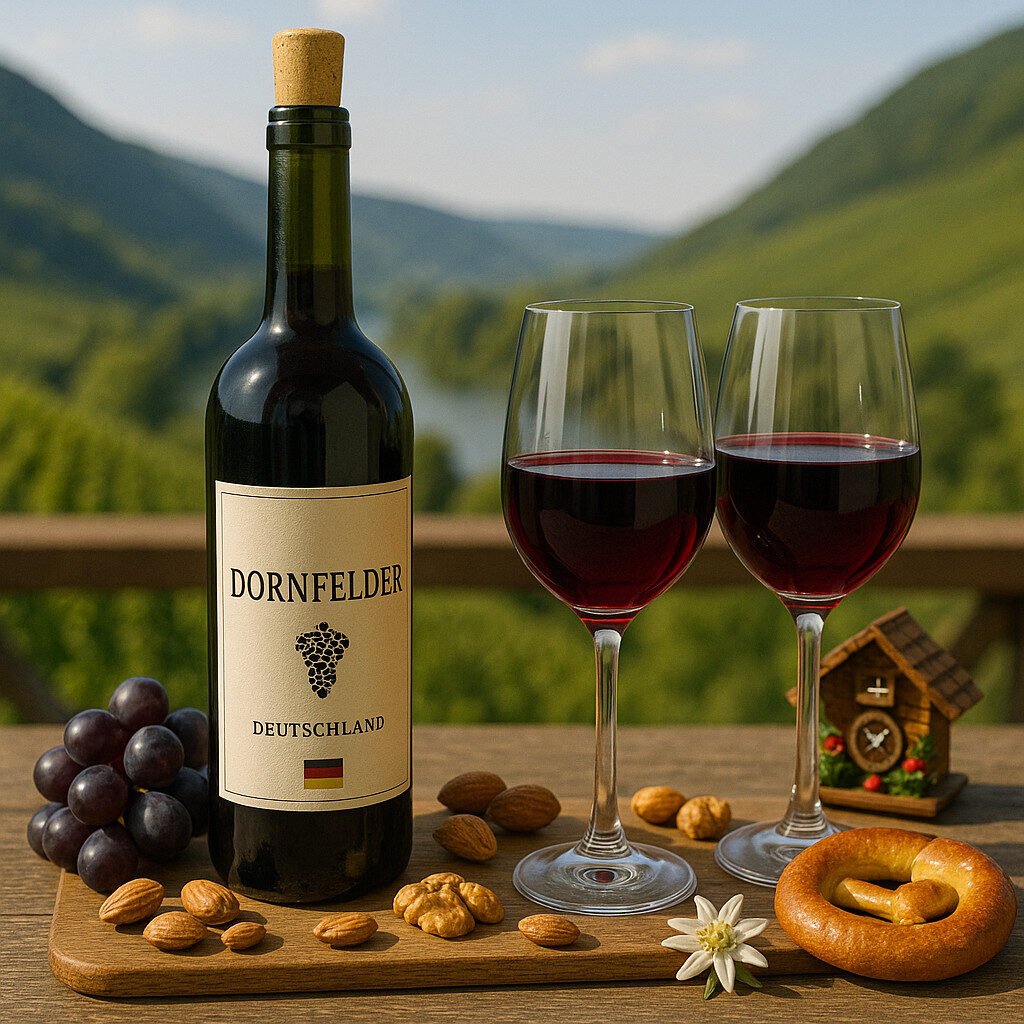
Discover Dornfelder, a rich German red wine known for its deep color, fruity flavors, and smooth, approachable character.
German Dornfelder: A Rich Red Wine Read More »
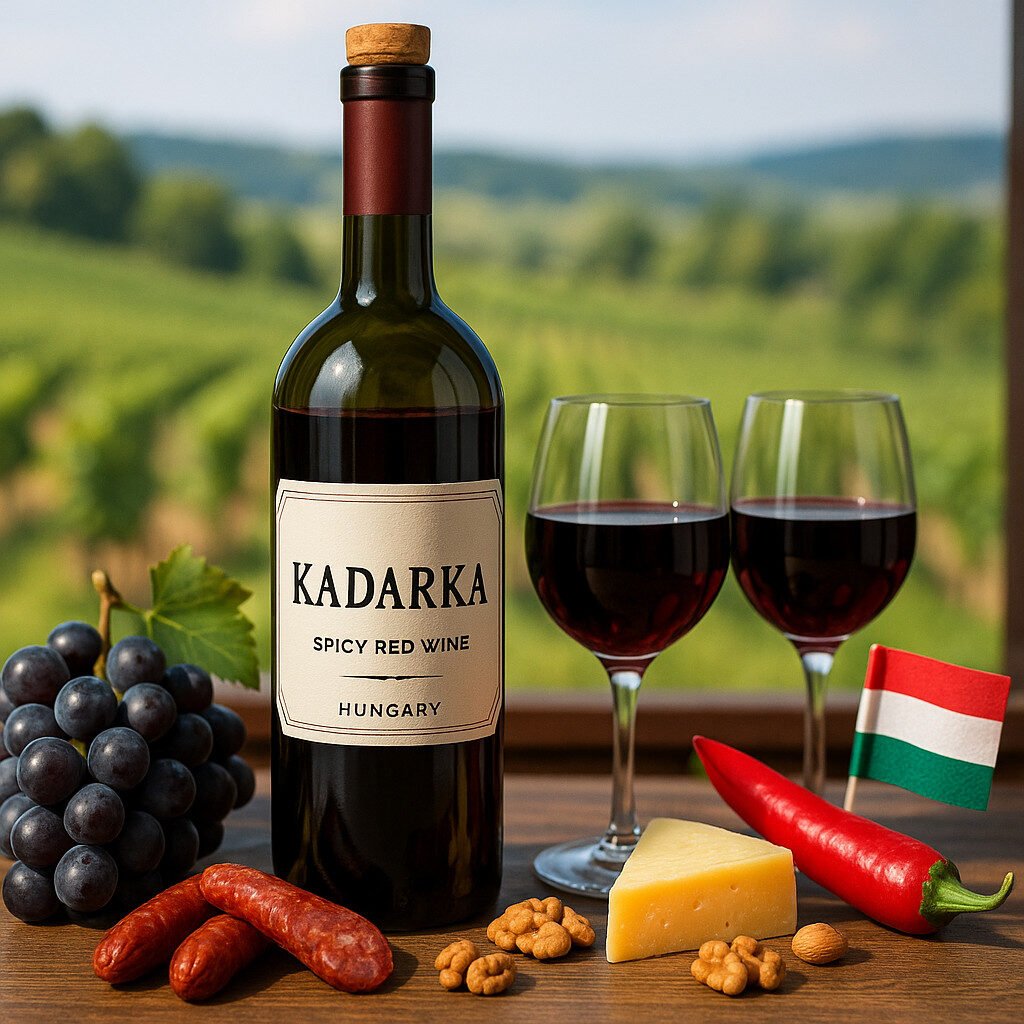
Discover Kadarka, a vibrant Hungarian red wine known for its light body, spicy notes, and juicy red fruit character.
Hungarian Kadarka: A Spicy Red Wine Read More »
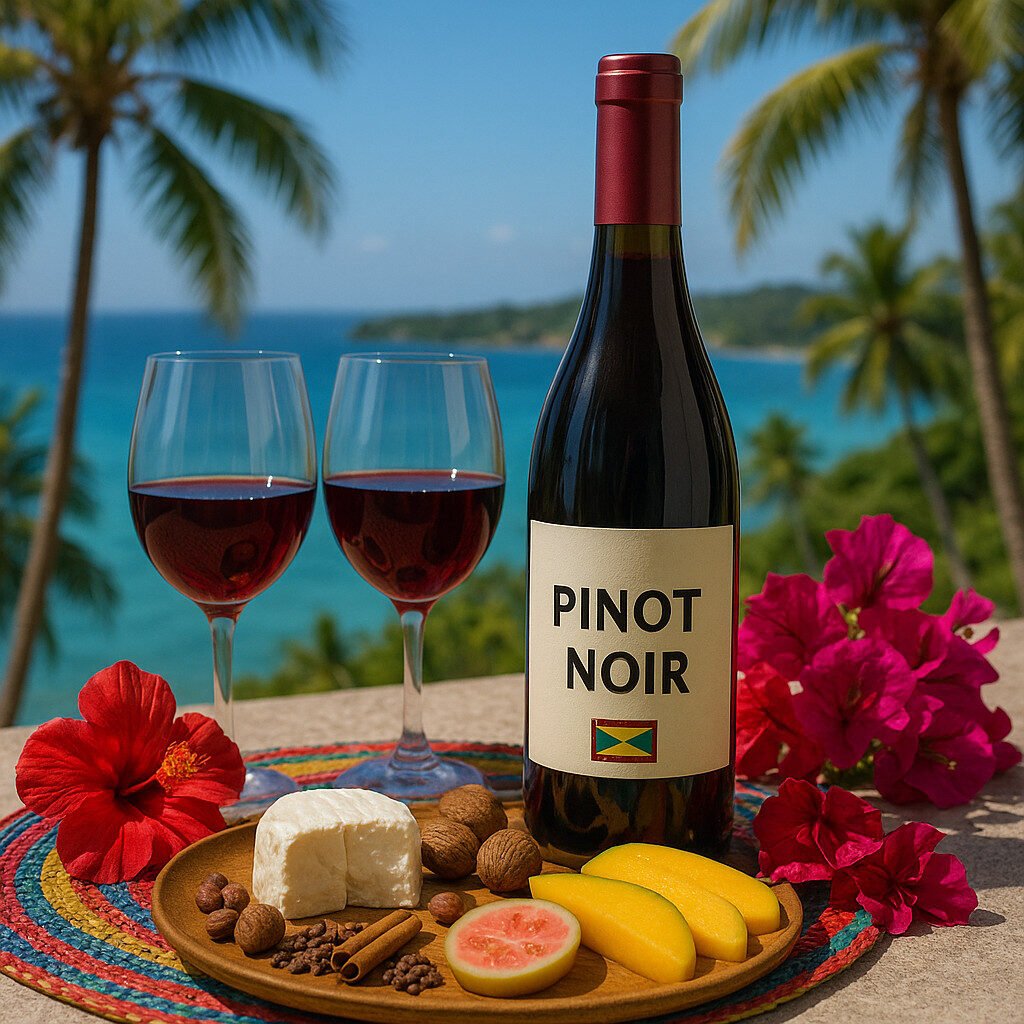
Discover Pinot Noir from Grenada. Experience its unique character and vibrant flavors in every glass.
Grenada Pinot Noir: A Tropical Red Wine Read More »
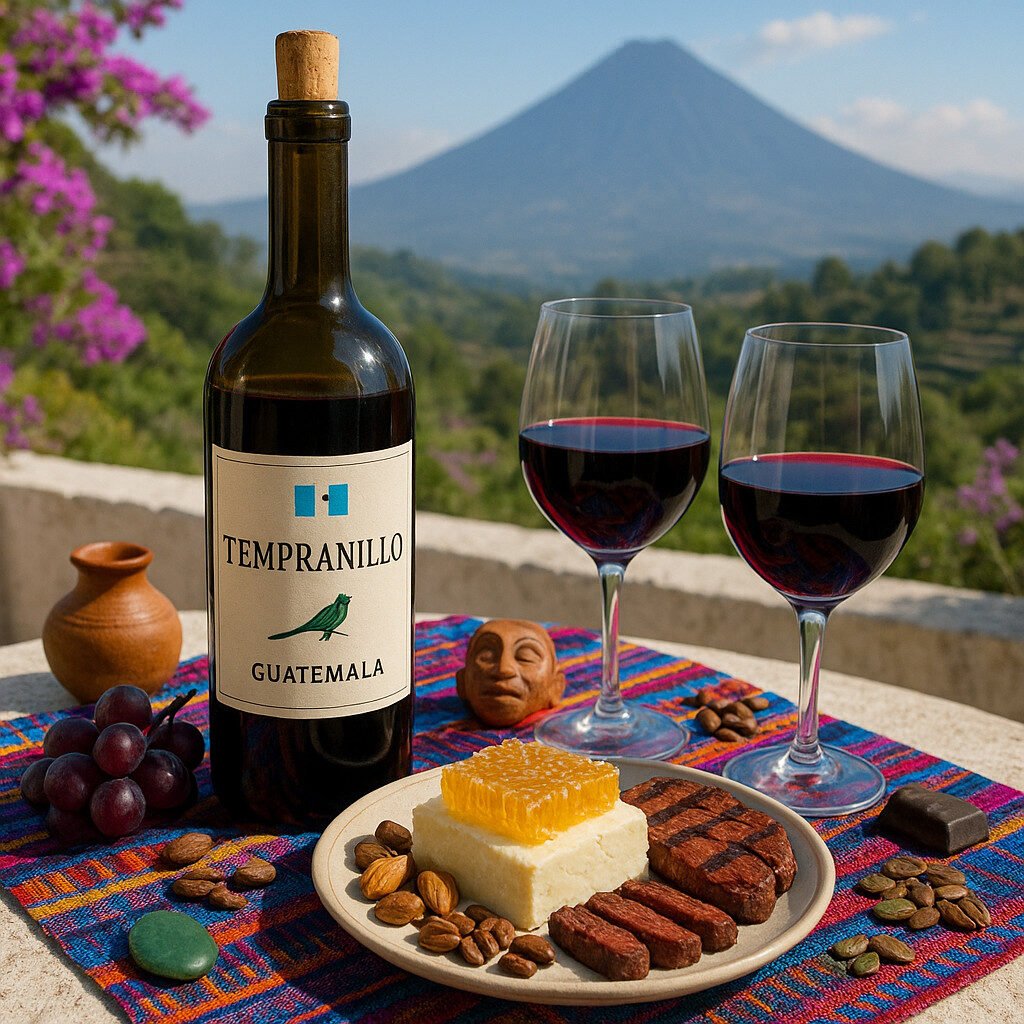
Discover Guatemalan Tempranillo, a vibrant red wine with bold fruit flavors and a smooth, elegant finish from Central America’s highlands.
Guatemalan Tempranillo: A Bold Red Wine Read More »
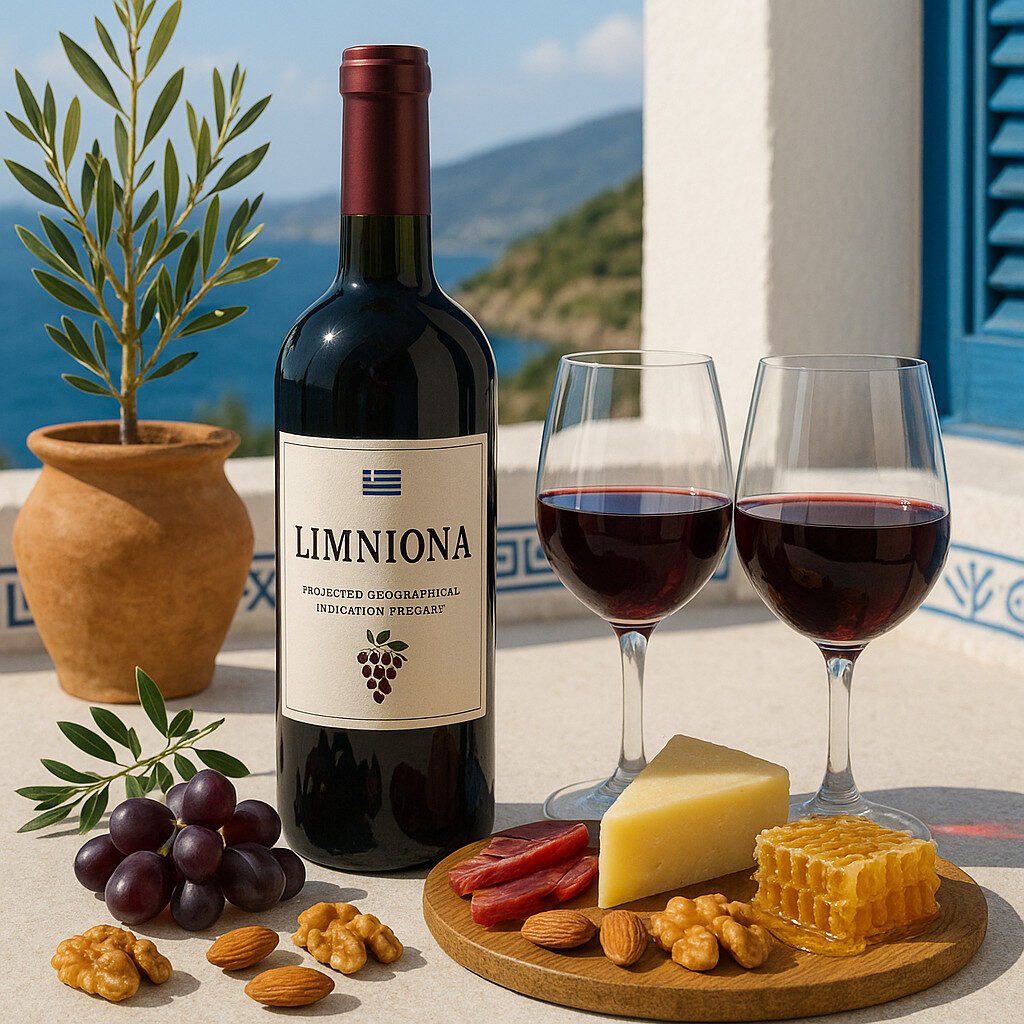
Discover Limniona, a rare Greek red wine with elegant aromas, silky texture, and vibrant character from the Thessaly region.
Limniona: A Greek Red Wine Discovery Read More »
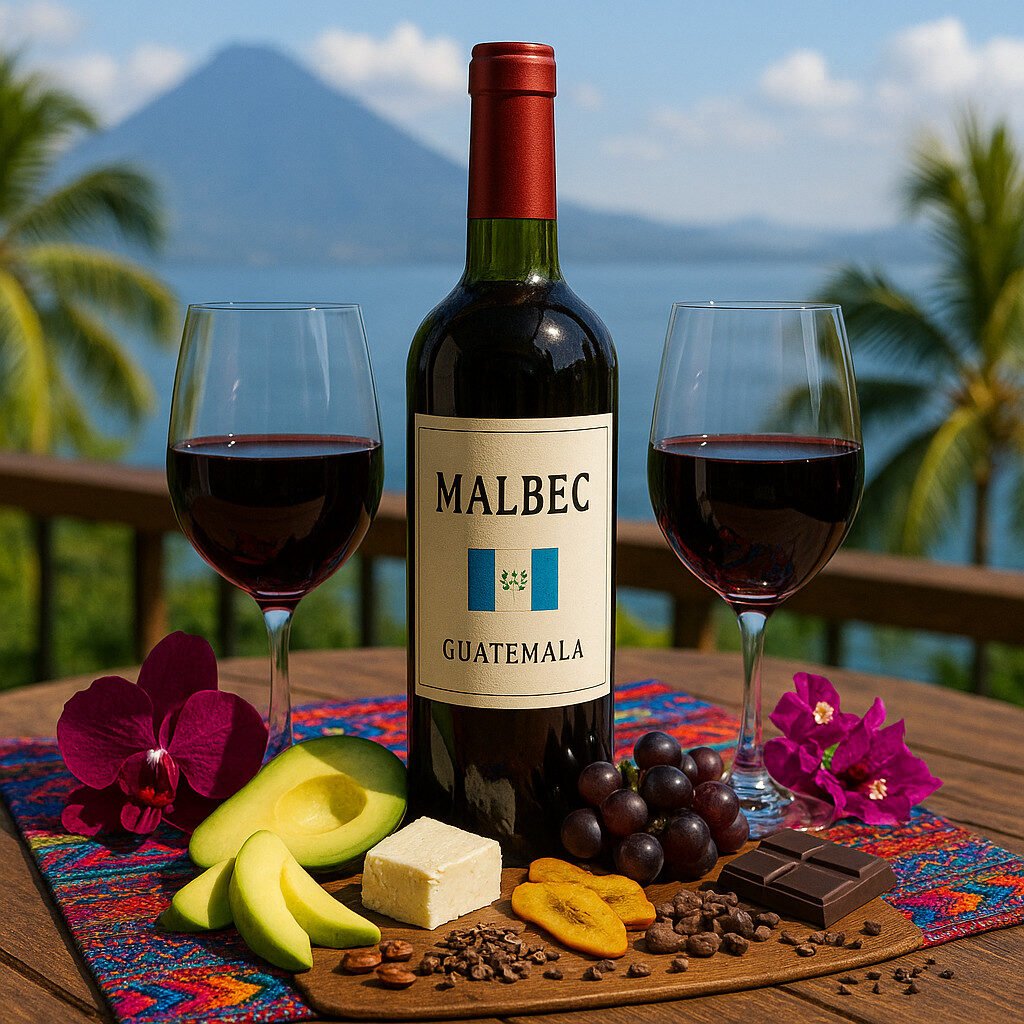
Discover Guatemalan Malbec, a bold red wine with rich flavors and smooth finish. Perfect for any occasion.
Guatemalan Malbec: Taste and Production Read More »

Discover the rich, full-bodied Cabernet Sauvignon from Grenada. Enjoy its bold flavors and smooth finish in every glass.
Cabernet Sauvignon from Grenada: Taste and Varieties Read More »
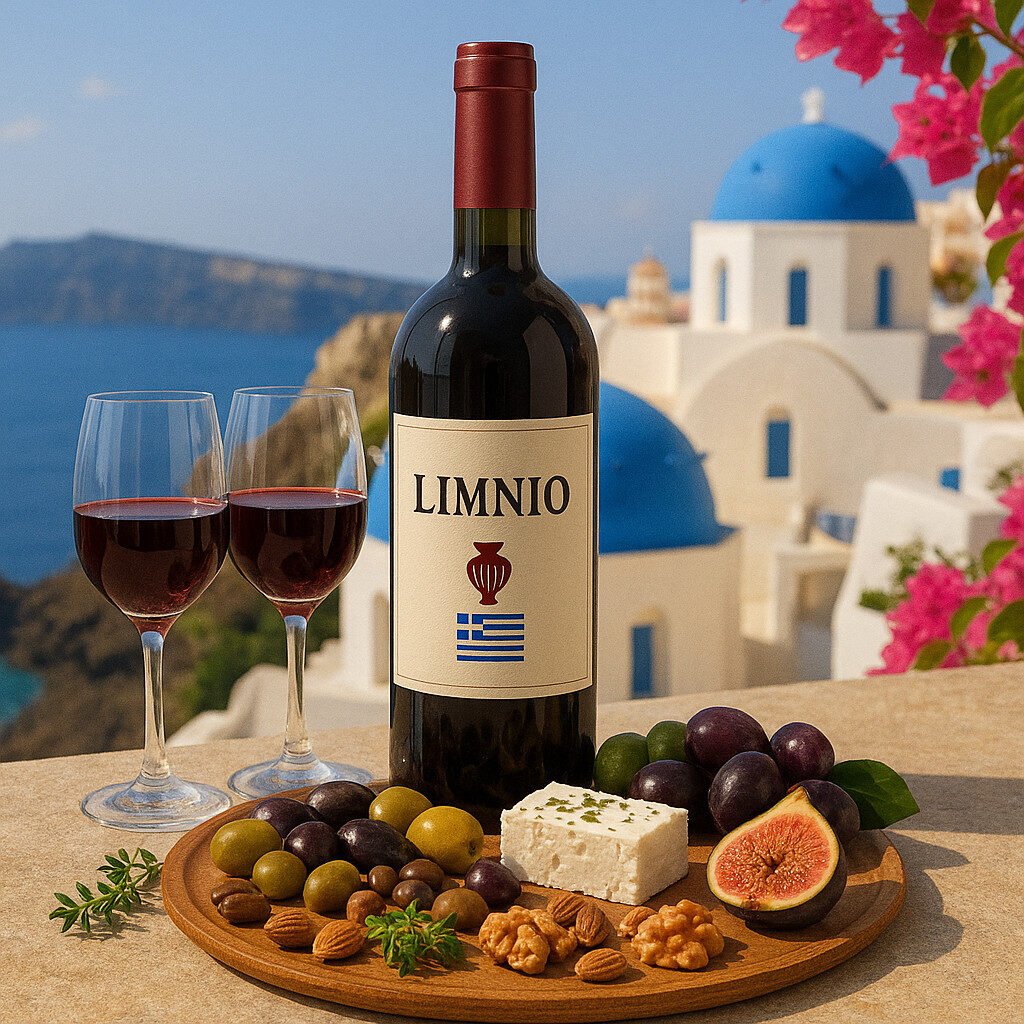
Discover Limnio, a rare Greek red wine with ancient roots. Enjoy its unique flavors and rich heritage in every glass.
Limnio Red Wine from Greece: A Portrait Read More »
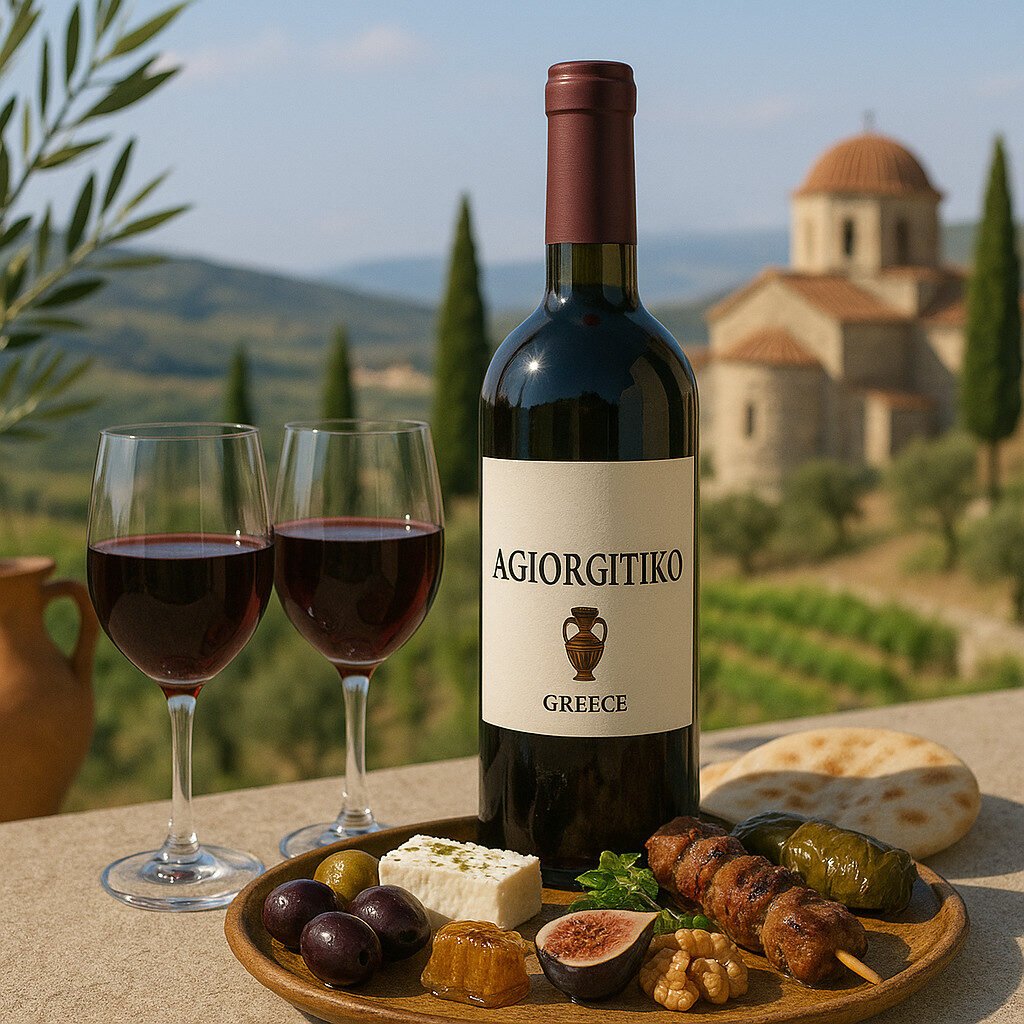
Discover Agiorgitiko, a rich red wine from Greece. Enjoy its smooth flavors and versatile pairing options for any occasion.
Agiorgitiko Red Wine from Greece: Taste and Varieties Read More »
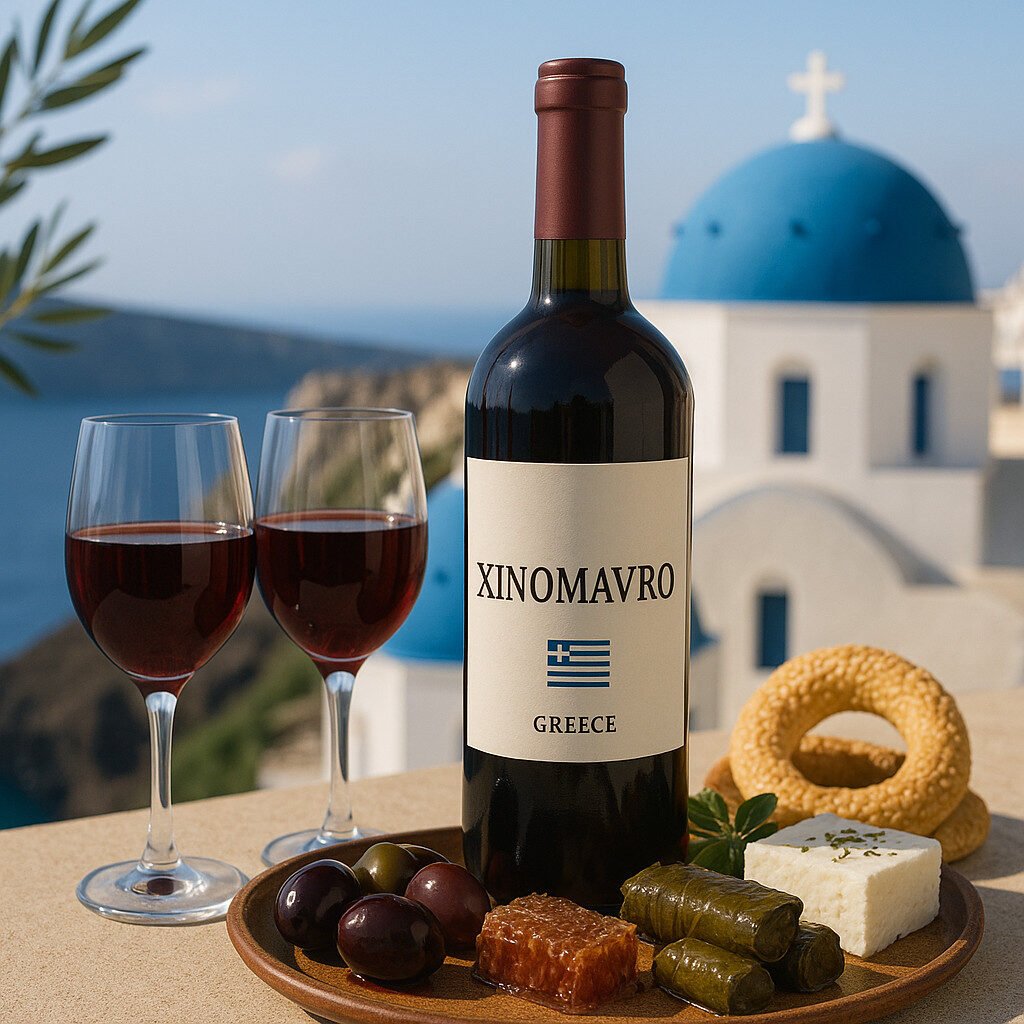
Discover Xinomavro, Greece’s bold red wine. Experience its complex flavors of dark fruit and spice, perfect for pairing with rich dishes.
Xinomavro Red Wine from Greece: Taste and Varieties Read More »
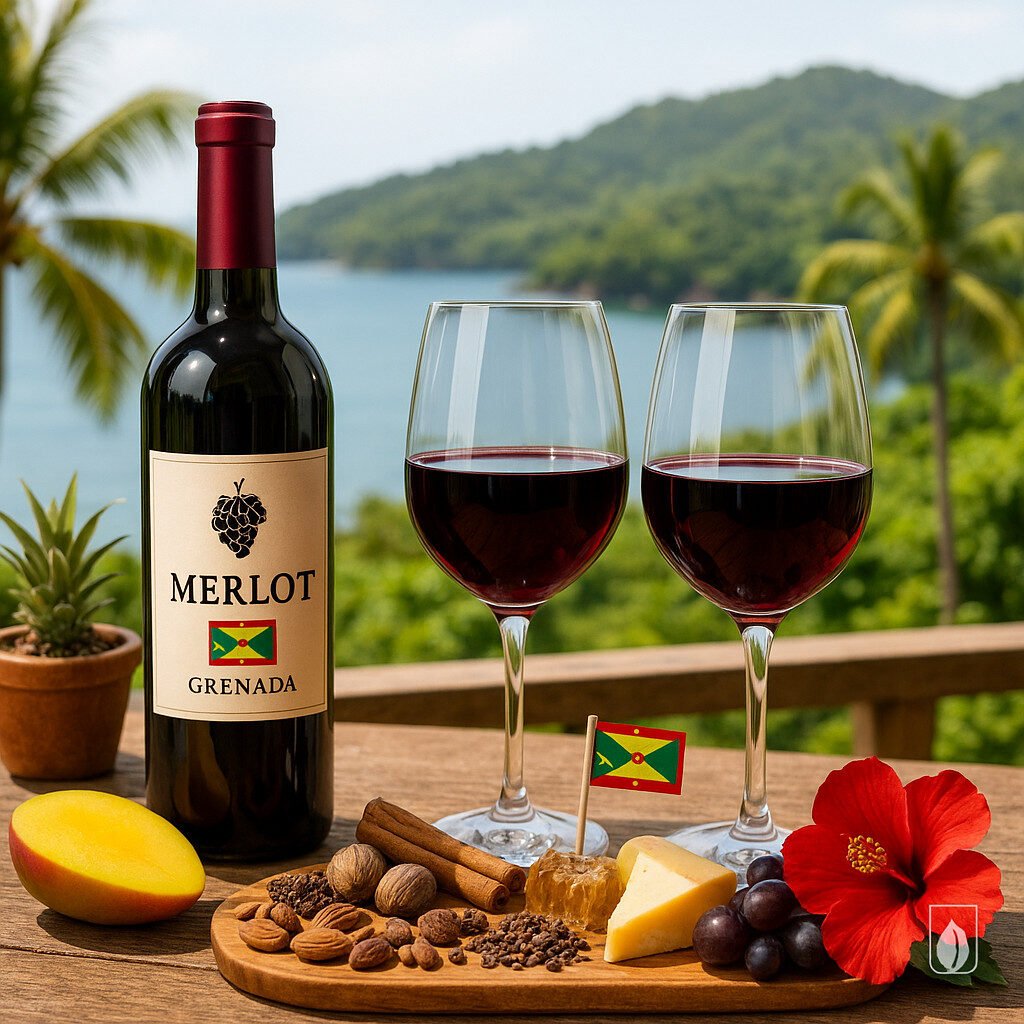
Discover the rich, smooth taste of Merlot from Grenada. Experience its unique character and velvety finish in every glass.
Merlot from Grenada: Taste and Production Read More »