Pine Resin
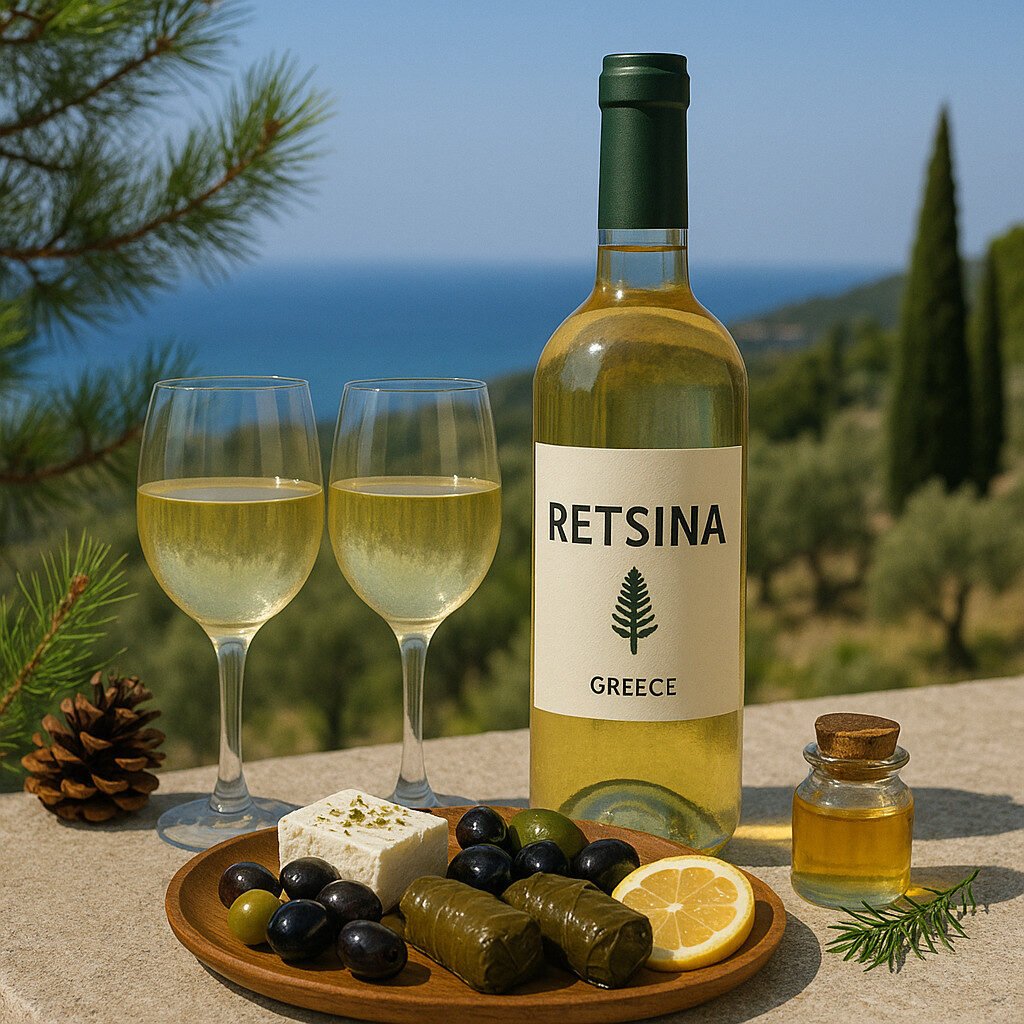
Pine resin has been used in winemaking for centuries, particularly in Greece where it creates the unique style known as Retsina.
Historical Significance
Retsina dates back to ancient times when Greeks sealed wine amphorae with pine resin to preserve the contents. This practice imparted a distinct resinous flavor that became characteristic of the wine. Today, it remains a protected traditional product with a dedicated following.
The use of pine resin was not merely practical but also influenced the wine's aroma and taste profile. Modern Retsina production carefully controls the amount of resin added to achieve balance. This historical technique showcases how preservation methods can evolve into defining wine styles.
Production Process
Retsina is typically made from the Savatiano grape variety, though other local grapes may be used. During fermentation, small pieces of Aleppo pine resin are added to the must. This step infuses the wine with its signature pine and herbal notes.
The resin is added in precise quantities to avoid overpowering the wine's natural fruit character. After fermentation, the wine is filtered to remove solid resin remnants. The result is a crisp, aromatic white wine with a refreshing resinous edge.
Tasting and Pairing
Retsina offers a unique tasting experience with aromas of pine, herbs, and lemon zest. On the palate, it is light-bodied with high acidity and flavors of green apple and rosemary. The resinous finish is crisp and lingering, making it an acquired taste for many.
This wine pairs excellently with Greek cuisine such as grilled seafood, olives, and feta cheese. Its sharp acidity cuts through rich, oily dishes like sardines or lamb kebabs. Retsina also complements Mediterranean salads and dishes with strong herbal components.