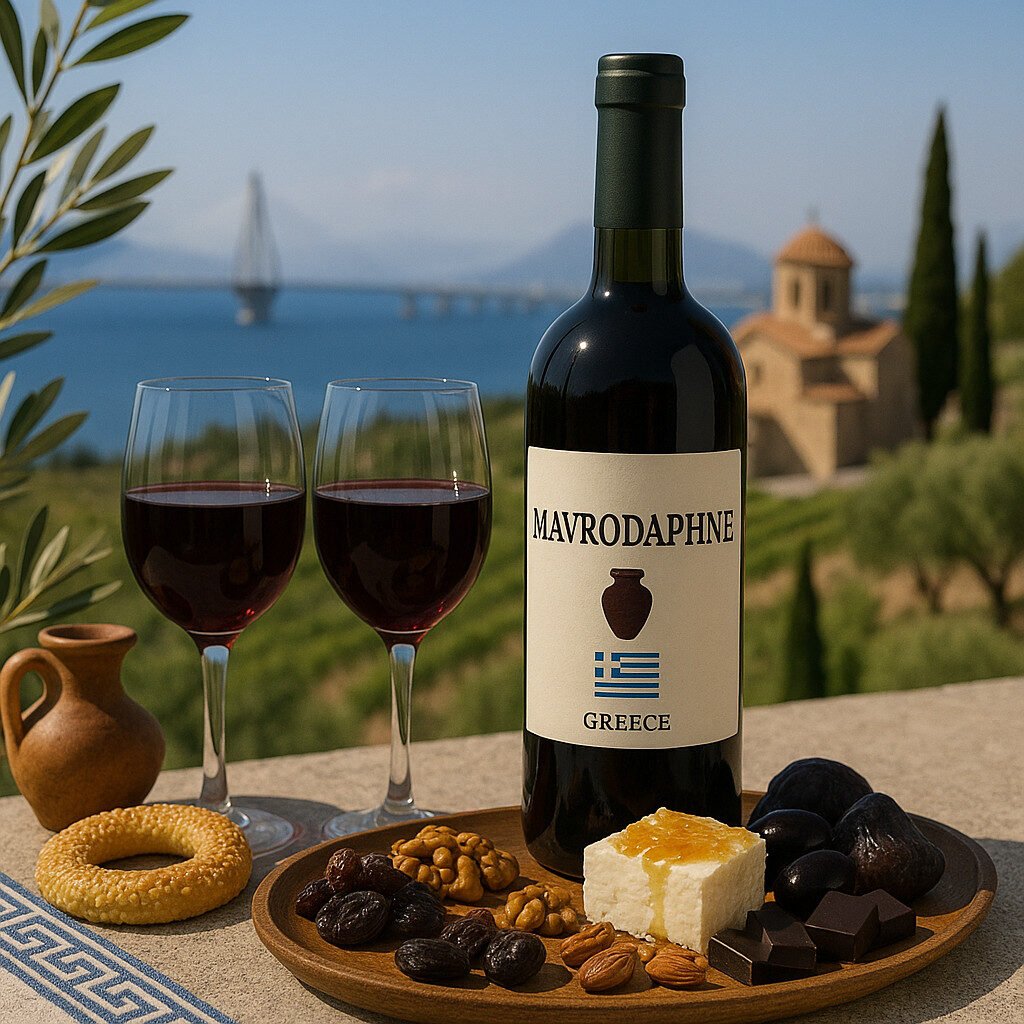
PDO
Protected Designation of Origin (PDO) is a European Union quality scheme that safeguards the names of specific products, including wines, to promote and protect unique regional characteristics and traditional production methods.
Definition and Purpose
PDO status ensures that a wine is produced, processed, and prepared in a specific geographical area using recognized know-how. This designation guarantees the product's authenticity, tying its qualities and reputation directly to its place of origin. It helps consumers identify and trust the provenance and traditional methods behind the wine they purchase.
For winemakers, PDO certification provides legal protection against imitation and misuse of the product's name. It supports rural economies by preserving local traditions and encouraging sustainable practices. Ultimately, PDO aims to maintain high-quality standards and cultural heritage in wine production.
Key Requirements
To qualify for PDO, wines must adhere to strict regulations covering the entire production process from grape to bottle. These rules often specify permitted grape varieties, maximum yields, winemaking techniques, and aging requirements. The goal is to ensure that every aspect reflects the unique terroir of the designated region.
Additionally, the grapes must come exclusively from the geographical area, and all production steps must occur within that region. Regular inspections and controls are conducted to verify compliance with these standards. This rigorous framework helps maintain consistency and quality across PDO-labeled wines.
Examples and Impact
Famous PDO wine regions include Champagne, Chianti, and Rioja, where the name itself signifies a specific style and origin. These designations help consumers make informed choices by associating the wine with its traditional characteristics and quality. The PDO label often commands a premium price due to its guaranteed authenticity.
Beyond consumer assurance, PDO status fosters regional identity and promotes tourism by highlighting unique local products. It encourages biodiversity and sustainable viticulture by preserving indigenous grape varieties and traditional methods. This system plays a crucial role in protecting Europe's rich winemaking heritage for future generations.