German Riesling: A Crisp and Elegant White Wine
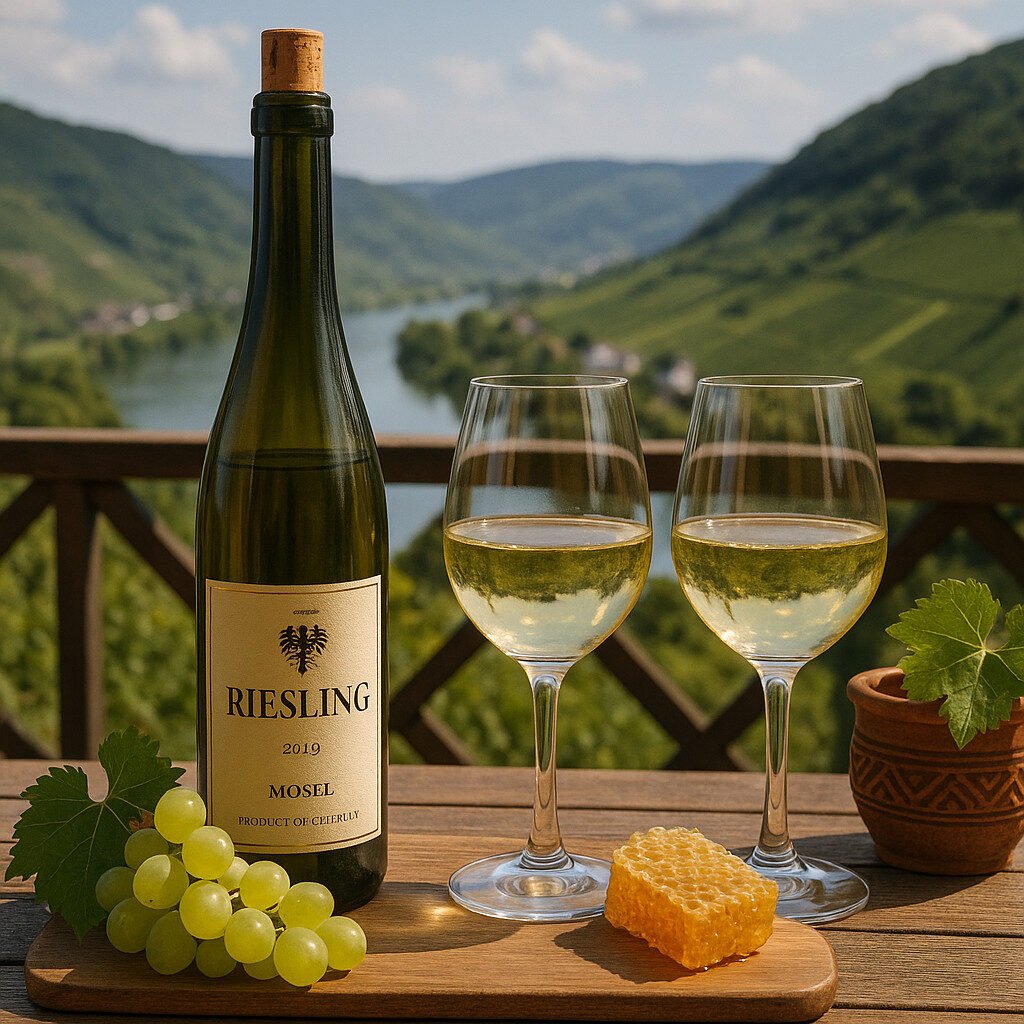
Discover German Riesling, a crisp and aromatic white wine celebrated for its vibrant acidity, fruity notes, and elegant minerality.
German Riesling: A Crisp and Elegant White Wine Read More »

Part of the MyCheese.org Network
Part of the MyCheese.org Network
Mineral depth describes the subtle, non-fruit flavors in wine that evoke sensations of wet stone, chalk, flint, or sea breeze, often associated with the vineyard's soil composition and terroir.
Certain grape varieties are renowned for expressing mineral depth, such as Riesling, Chardonnay, and Sauvignon Blanc in white wines. In reds, Pinot Noir and Cabernet Franc can also showcase these characteristics, particularly from specific regions. The ability to convey minerality is often linked to the grape's thin skin and the way it interacts with the soil.
Cool-climate varieties tend to exhibit more pronounced mineral notes due to slower ripening and higher acidity. Wines from grapes like Albariño or Grüner Veltliner may display saline or stony qualities that enhance their freshness. These traits make mineral-driven wines highly sought after for their complexity and elegance.
Mineral depth is strongly tied to specific wine regions with unique geological features, such as the slate soils of Germany's Mosel or the limestone of France's Chablis. These soils impart distinct flavors that are transmitted through the vines into the grapes. Wines from these areas often have a signature stony or chalky character that defines their style.
Other notable regions include the Loire Valley for flinty Sauvignon Blanc and Burgundy for earthy Pinot Noir. Volcanic soils, like those in Sicily or Santorini, can contribute smoky, salty mineral notes to the wine. The combination of climate, soil, and winemaking practices in these regions creates a true sense of place in the glass.
When tasting for mineral depth, look for crisp, clean flavors beyond fruit, such as wet rock, graphite, or sea salt, often accompanied by vibrant acidity. These elements add structure and length to the wine, making it feel more refined and layered. A mineral-driven wine typically finishes with a refreshing, mouthwatering quality.
Food pairings for mineral wines are versatile; they excel with oysters, sushi, or grilled fish to complement saline notes. Earthy dishes like mushroom risotto or roasted chicken also harmonize well with stony undertones. The acidity and subtlety of mineral wines make them excellent for cutting through rich or fatty foods.
Discover German Riesling, a crisp and aromatic white wine celebrated for its vibrant acidity, fruity notes, and elegant minerality.
German Riesling: A Crisp and Elegant White Wine Read More »