Medium Tannins
Medium tannins are a key structural component in many popular wines, offering a pleasant textural grip without overwhelming the palate.
Understanding Tannin Levels
Medium tannins create a balanced mouthfeel that is neither too aggressive nor too soft. They typically come from grape skins, seeds, and oak aging during winemaking. This level of tannin provides structure while remaining approachable for most wine drinkers.
Wines with medium tannins often feel smooth with a slight drying sensation on the gums and cheeks. The tannins help carry flavors across the palate without dominating other elements. They contribute to the wine's aging potential while remaining drinkable in their youth.
Common Grape Varieties
Many red grape varieties naturally produce wines with medium tannin levels. Merlot, Sangiovese, and Grenache are classic examples that typically show this characteristic. These grapes offer versatility in both Old World and New World wine regions.
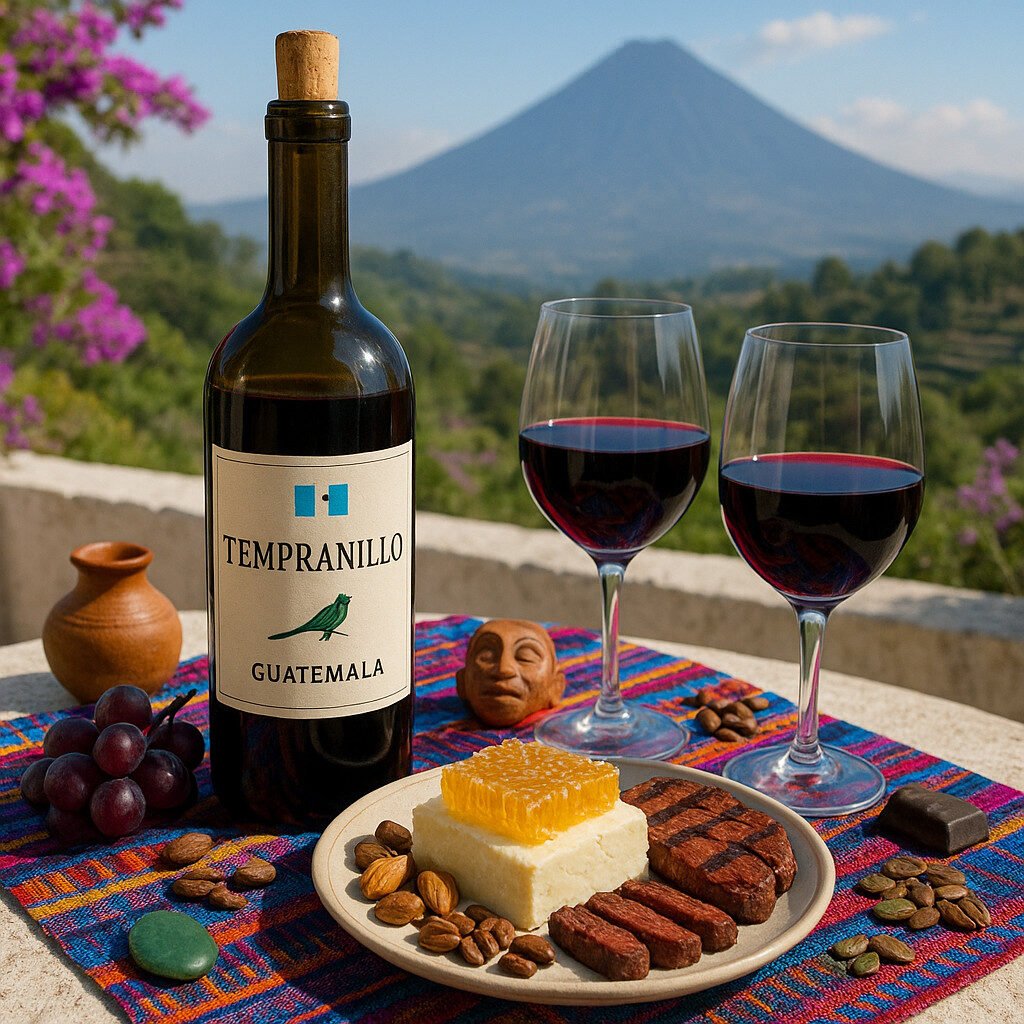
Cabernet Franc and Tempranillo also frequently display medium tannin profiles. The tannin expression can vary based on vineyard practices and winemaking techniques. These varieties often strike a perfect balance between fruit expression and structural elements.
Food Pairing Considerations
Wines with medium tannins pair wonderfully with a wide range of foods. They complement dishes like roasted chicken, pasta with tomato sauce, and grilled vegetables beautifully. The tannins help cut through richer flavors without overpowering the meal.
Medium-tannin wines work particularly well with medium-bodied proteins and savory dishes. Think of pairing them with mushroom risotto, pork tenderloin, or aged cheeses. The balanced structure makes them flexible partners for various cuisines and cooking styles.