
Tokaji Aszú: Hungary’s Sweet Golden Wine
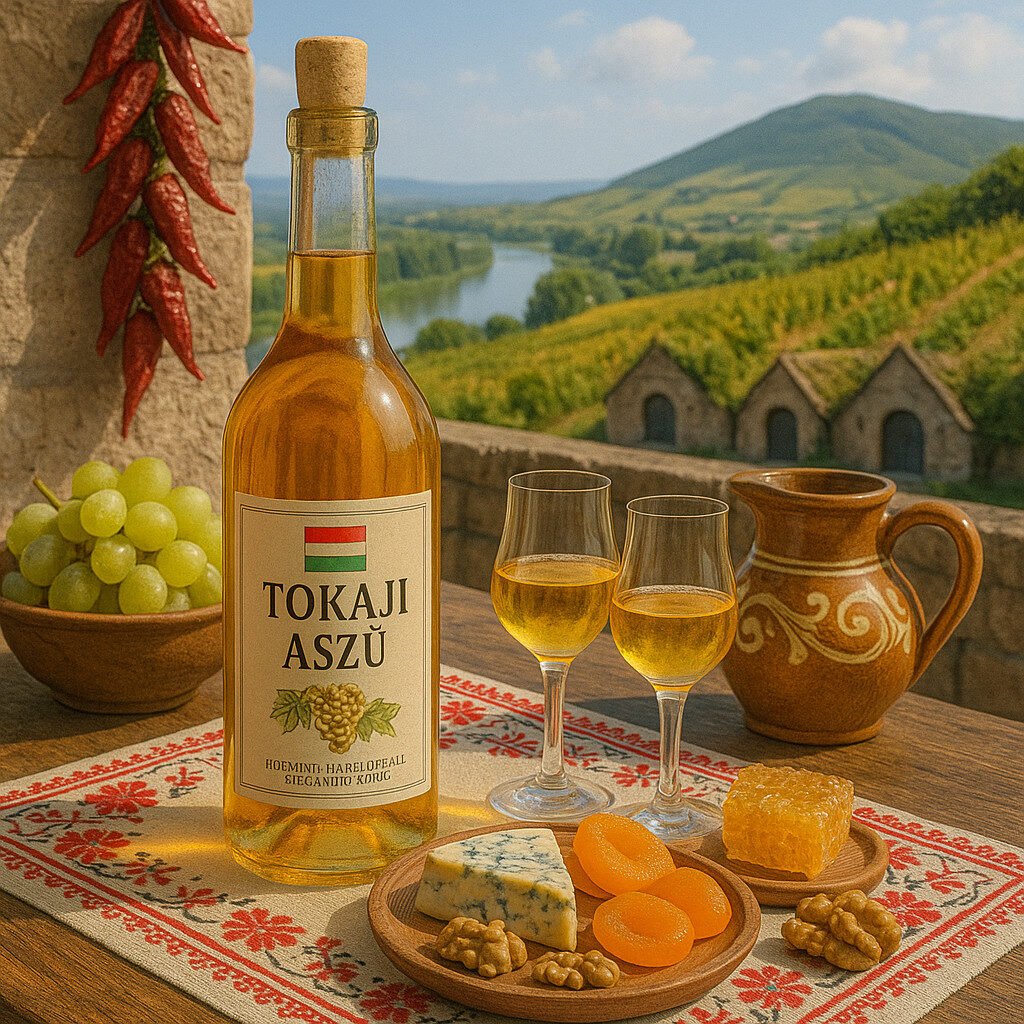
Tokaji Aszú is a legendary sweet wine from Hungary, celebrated for its rich honeyed flavors, vibrant acidity, and noble rot character.
Tokaji Aszú: Hungary’s Sweet Golden Wine Read More »
Tokaji Aszú is a legendary sweet wine from Hungary, celebrated for its rich honeyed flavors, vibrant acidity, and noble rot character.
Tokaji Aszú: Hungary’s Sweet Golden Wine Read More »
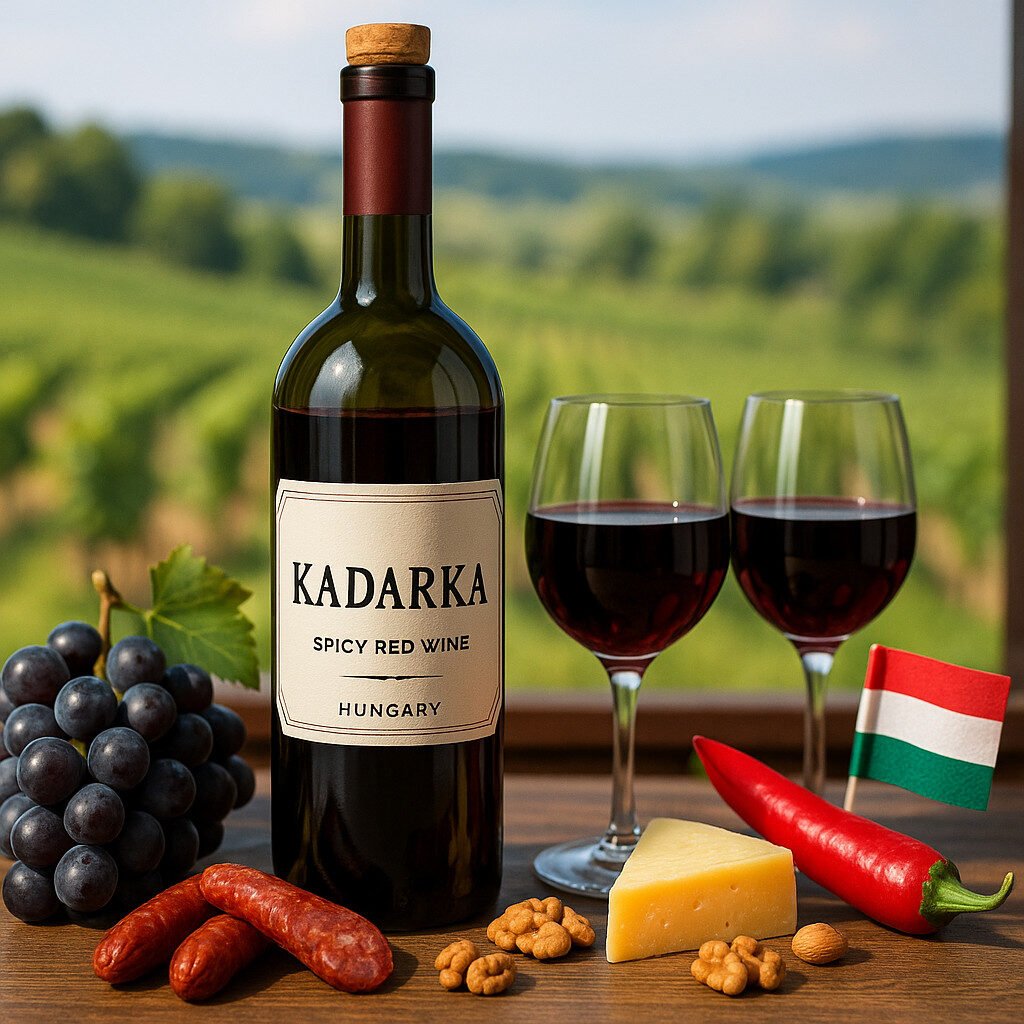
Discover Kadarka, a vibrant Hungarian red wine known for its light body, spicy notes, and juicy red fruit character.
Hungarian Kadarka: A Spicy Red Wine Read More »
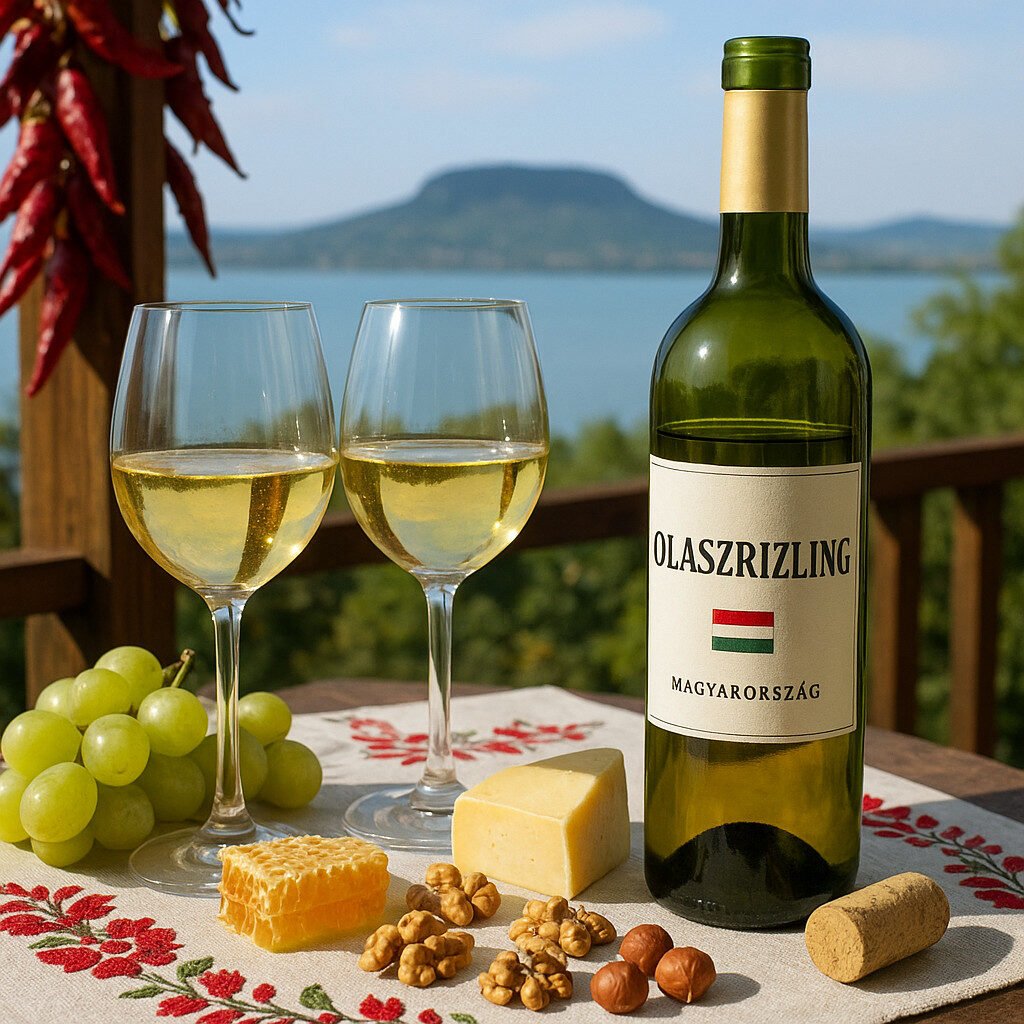
Discover Hungarian Olaszrizling, a crisp and aromatic white wine with notes of citrus and peach, offering a refreshing taste of local terroir.
Olaszrizling: A Crisp Hungarian White Wine Read More »
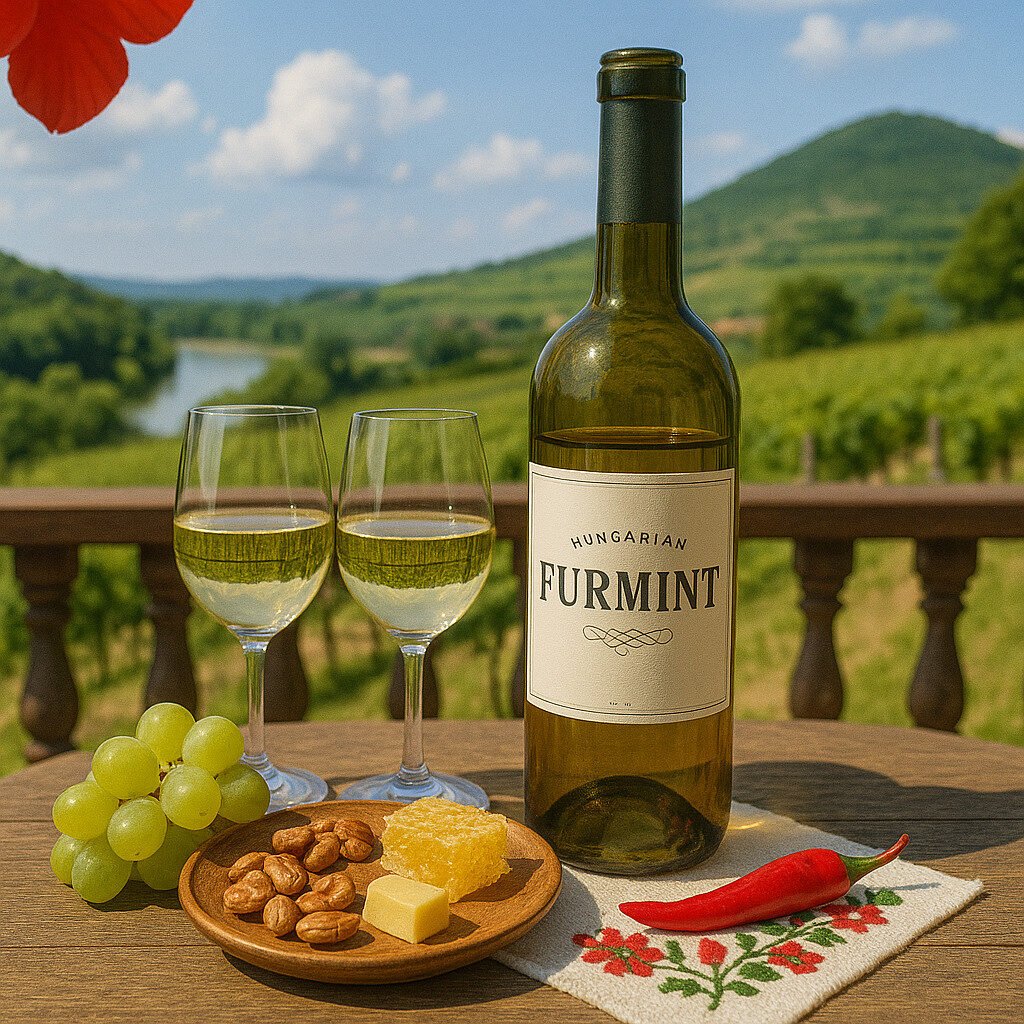
Discover Furmint, Hungary’s signature white wine, known for its vibrant acidity, notes of citrus and stone fruit, and its role in crafting exquisite Tokaji
Hungarian Furmint: A Crisp and Elegant White Read More »
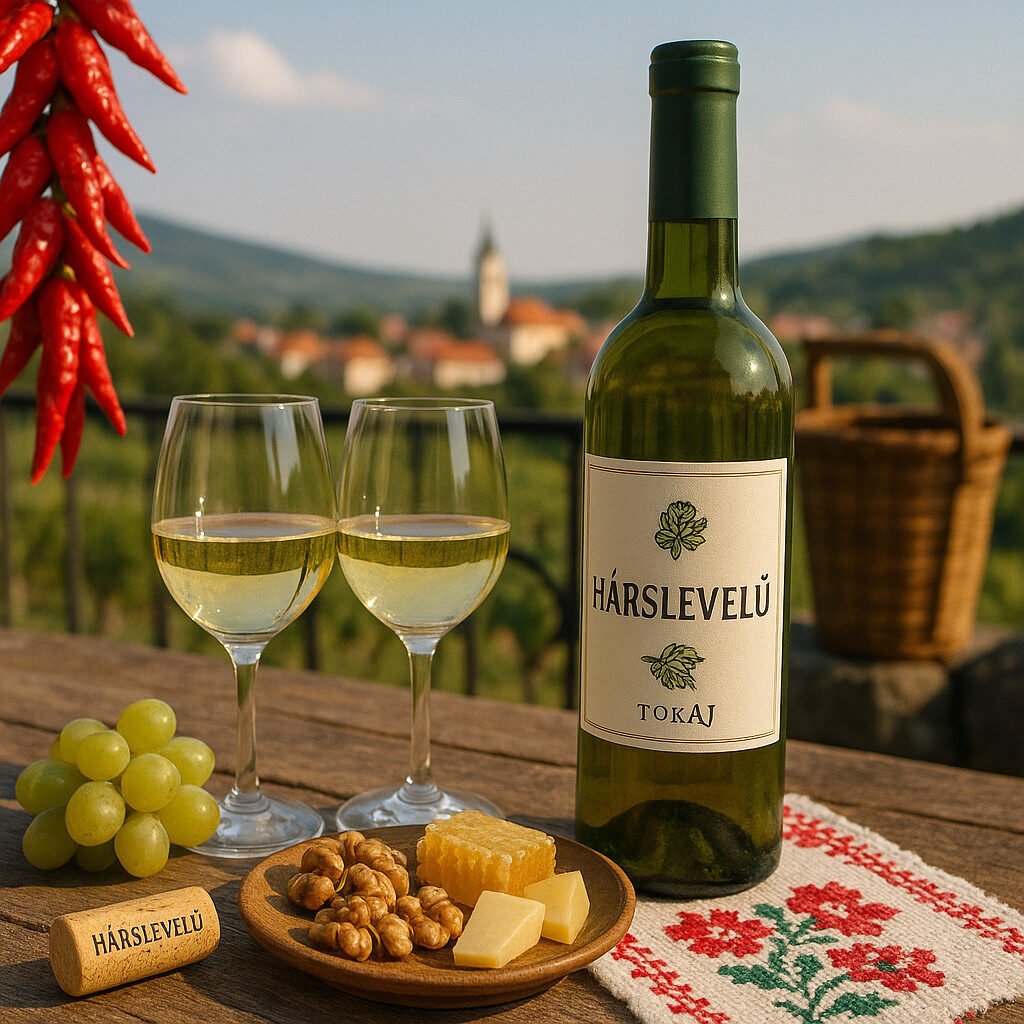
Discover Hárslevelű, a Hungarian white wine with aromatic notes of lime blossom, honey, and spice, offering a rich and elegant palate.
Hárslevelű: A Crisp Hungarian White Wine Read More »
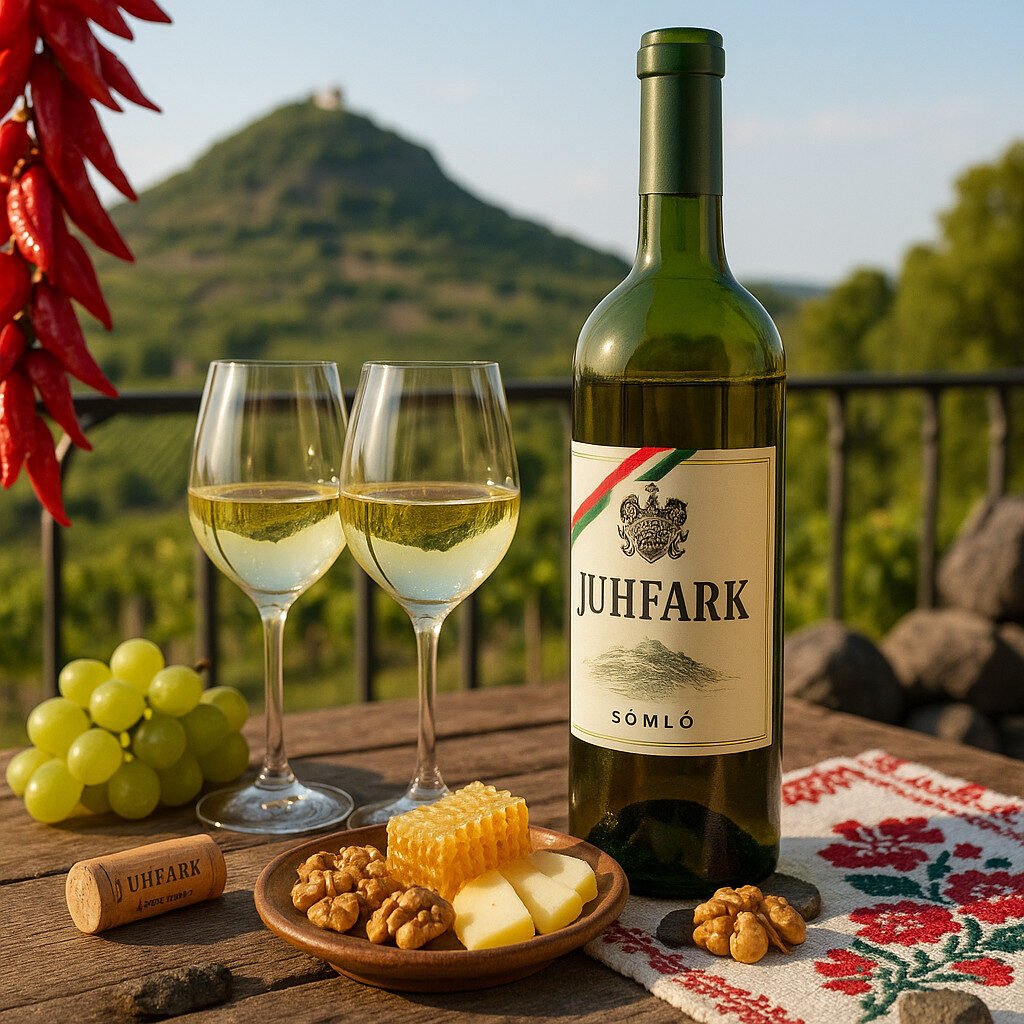
Discover Juhfark, a unique Hungarian white wine known for its mineral-driven character, vibrant acidity, and distinctive volcanic terroir.
Juhfark: A Unique Hungarian White Wine Read More »