
Demerara Dry White: A Crisp Guyanese Wine
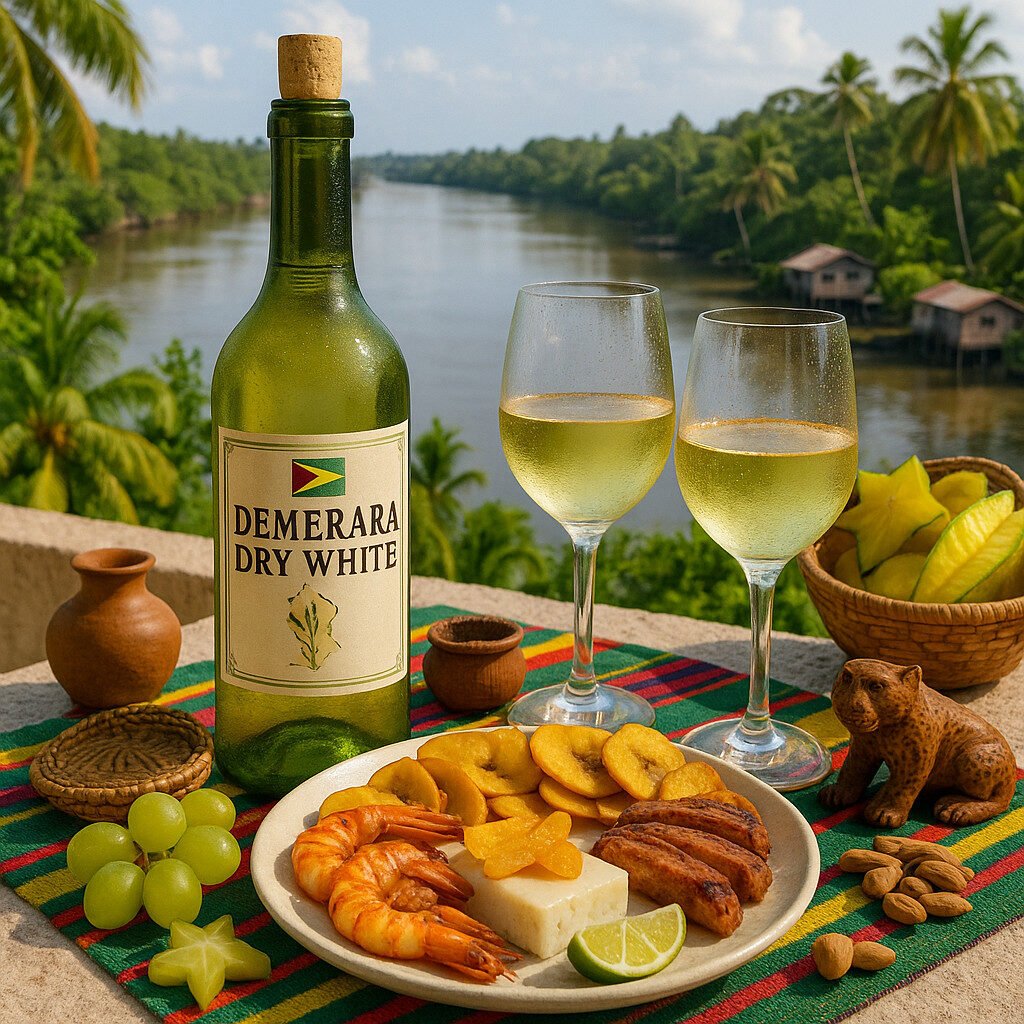
Discover Demerara Dry White from Guyana, a crisp and refreshing wine with tropical fruit notes and a clean, zesty finish.
Demerara Dry White: A Crisp Guyanese Wine Read More »
Discover Demerara Dry White from Guyana, a crisp and refreshing wine with tropical fruit notes and a clean, zesty finish.
Demerara Dry White: A Crisp Guyanese Wine Read More »
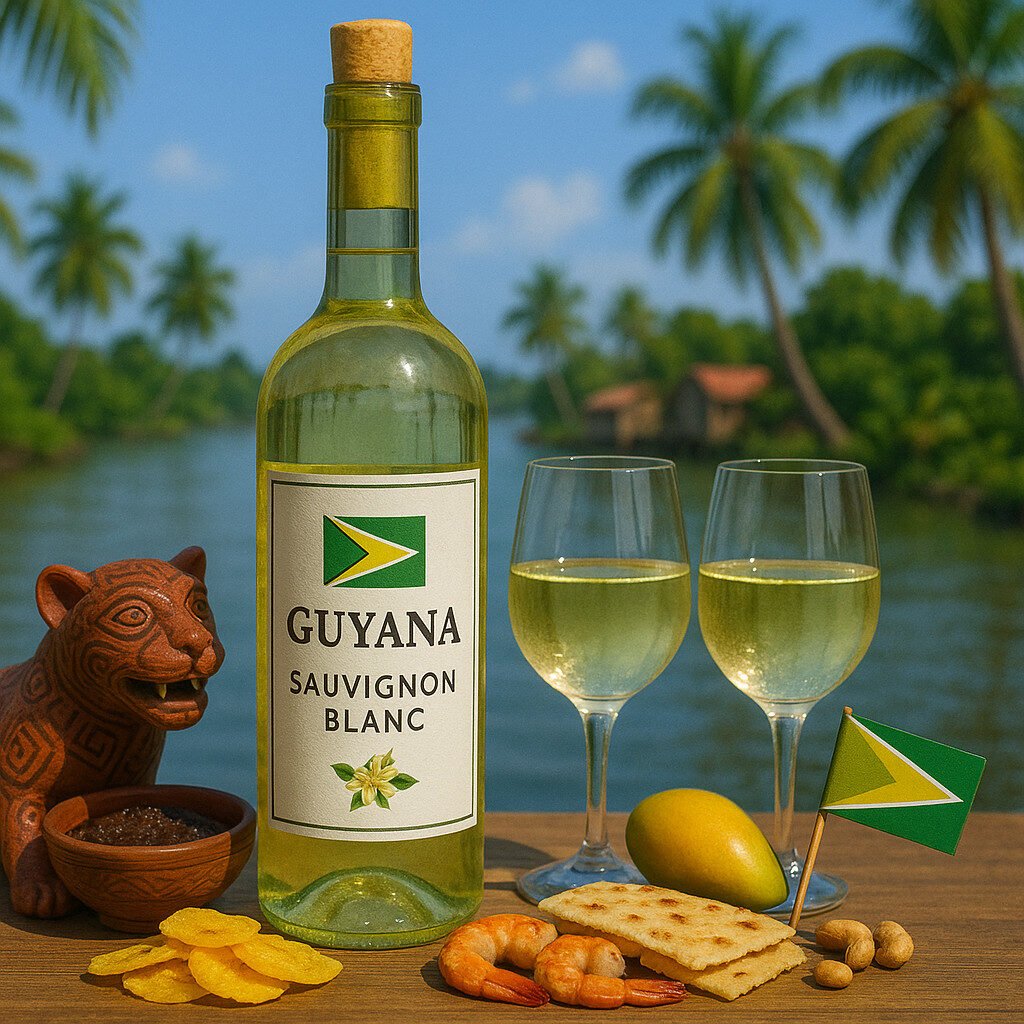
Discover Guyana Sauvignon Blanc, a vibrant white wine from Guyana with zesty citrus notes and a crisp, refreshing finish.
Guyana Sauvignon Blanc: A Crisp Taste of Guyana Read More »
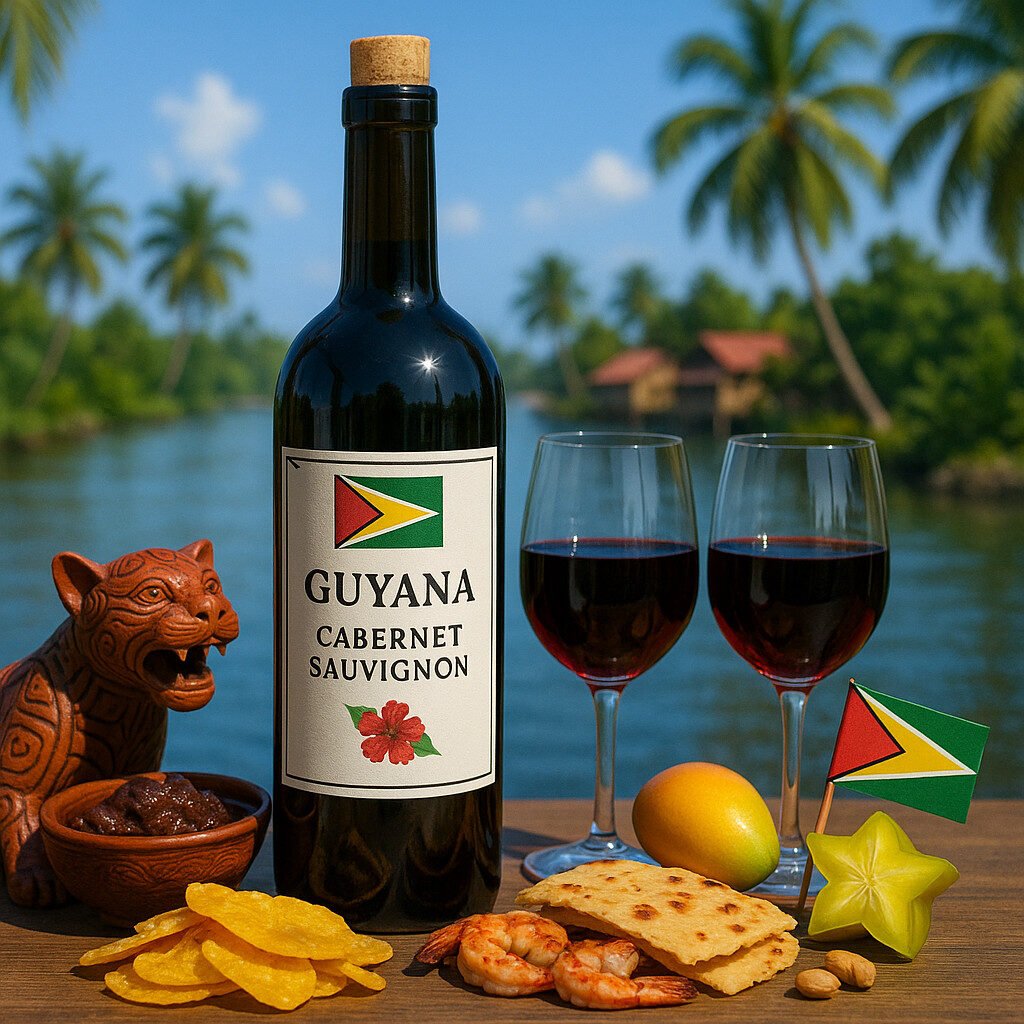
Discover Guyana Cabernet Sauvignon, a bold red wine from Guyana with rich dark fruit flavors and a smooth, full-bodied character.
Guyana Cabernet Sauvignon: A Bold Red from Guyana Read More »
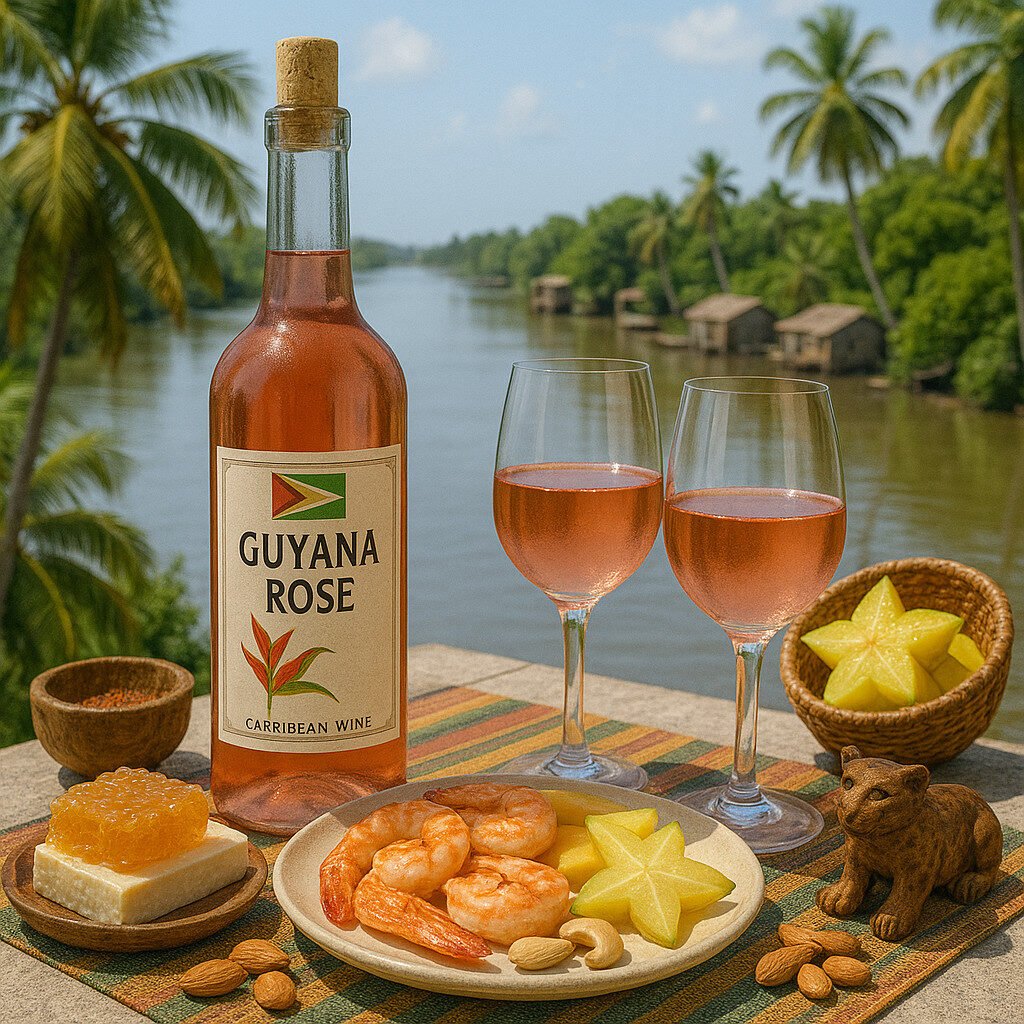
Discover Guyana Rosé, a vibrant and refreshing wine from Guyana, offering a crisp, fruity profile perfect for sunny days and relaxed moments.
Guyana Rosé: A Tropical Caribbean Wine Read More »
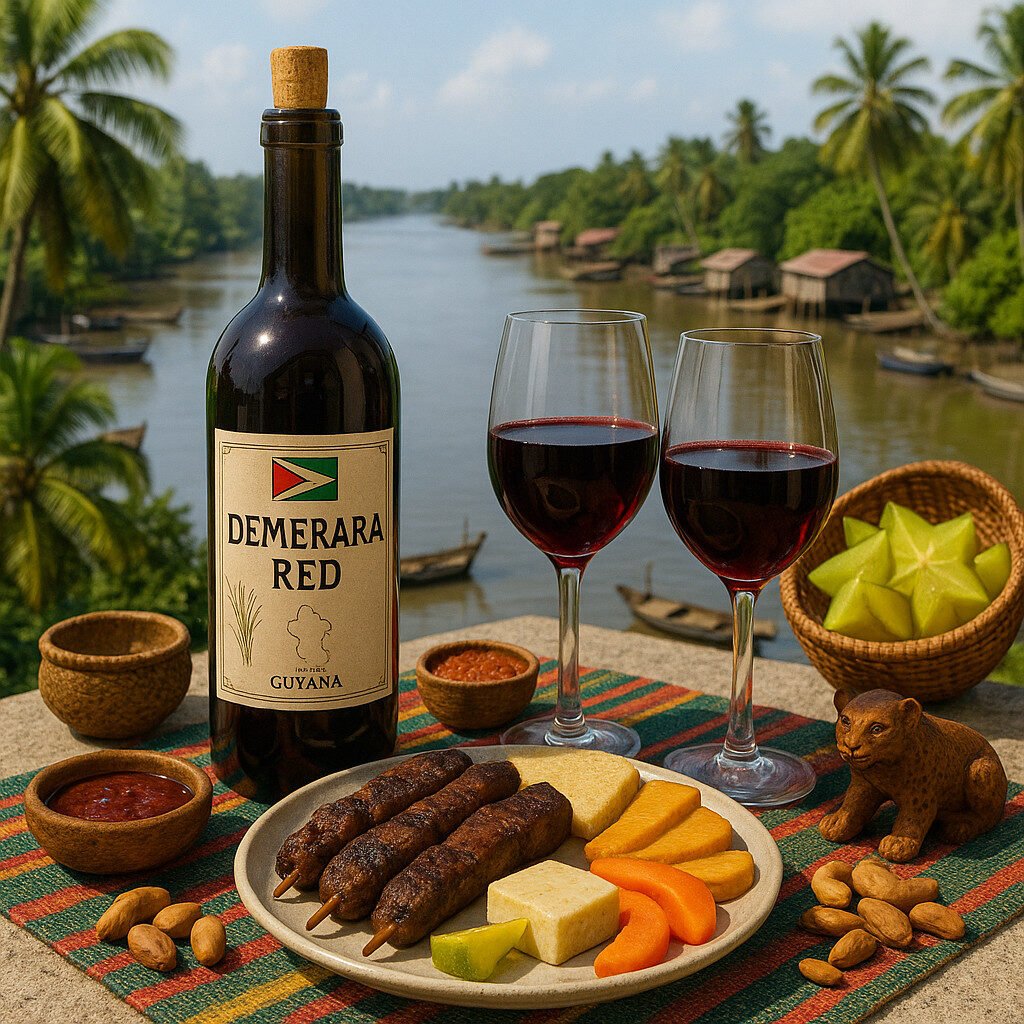
Discover Demerara Red, a vibrant wine from Guyana with a rich, fruity character and a smooth, inviting finish.
Demerara Red: A Bold Guyanese Wine Read More »