
Syrah from Grenada: Taste and Production

Discover Syrah from Grenada, a bold red wine with rich flavors and a unique terroir. Perfect for pairing with hearty meals.
Syrah from Grenada: Taste and Production Read More »
Discover Syrah from Grenada, a bold red wine with rich flavors and a unique terroir. Perfect for pairing with hearty meals.
Syrah from Grenada: Taste and Production Read More »

Discover Grenadian Cabernet Sauvignon, a bold red wine from Grenada with rich dark fruit flavors and a smooth, structured finish.
Grenadian Cabernet Sauvignon: A Bold Caribbean Red Read More »
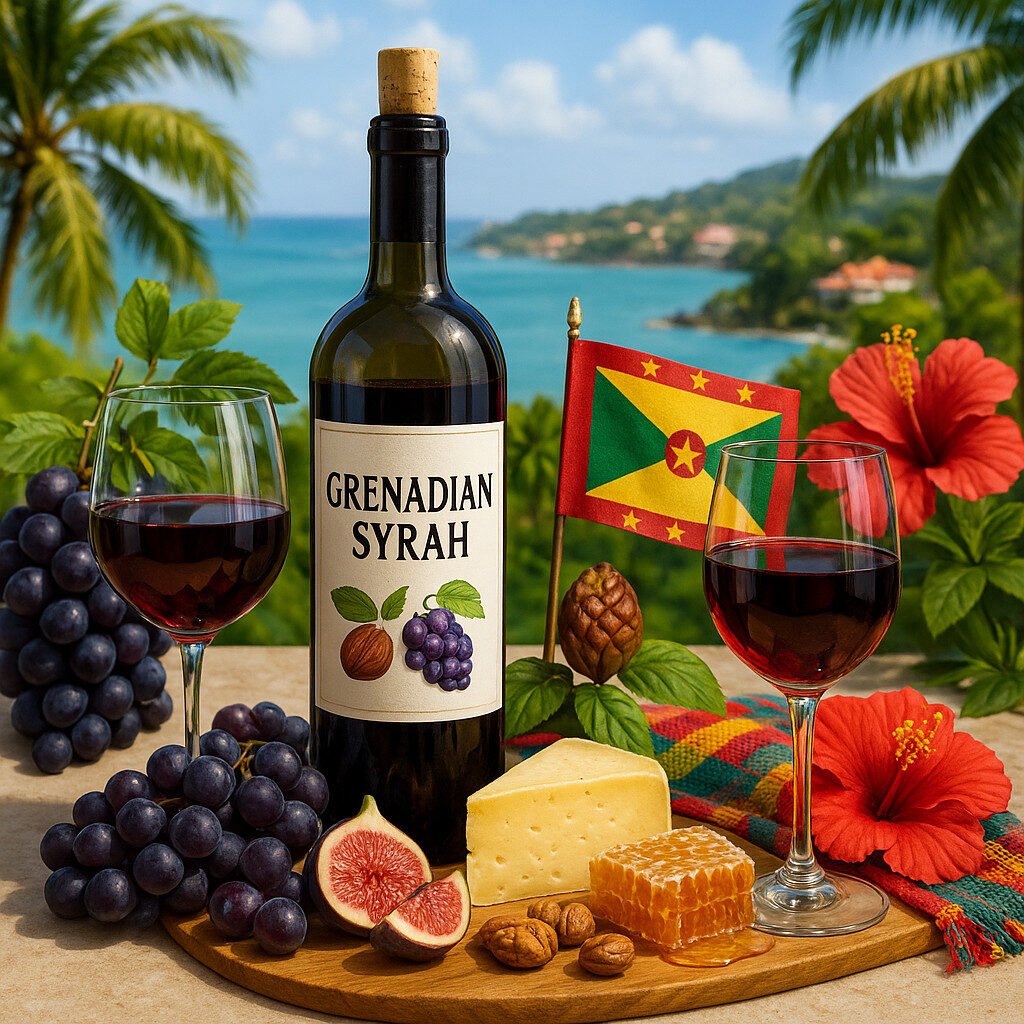
Discover Grenadian Syrah, a bold red wine from Grenada, known for its rich, spicy character and smooth, full-bodied style.
Grenadian Syrah: A Bold Caribbean Red Read More »
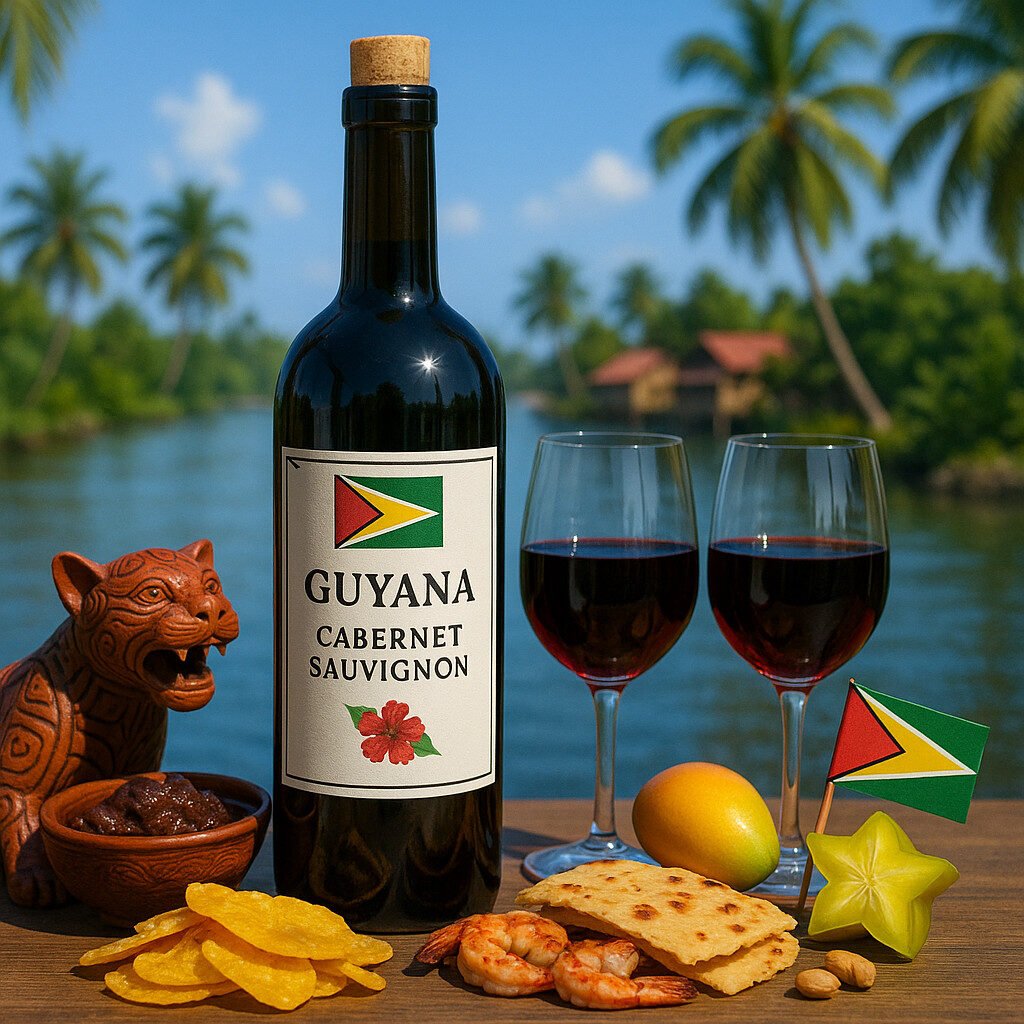
Discover Guyana Cabernet Sauvignon, a bold red wine from Guyana with rich dark fruit flavors and a smooth, full-bodied character.
Guyana Cabernet Sauvignon: A Bold Red from Guyana Read More »
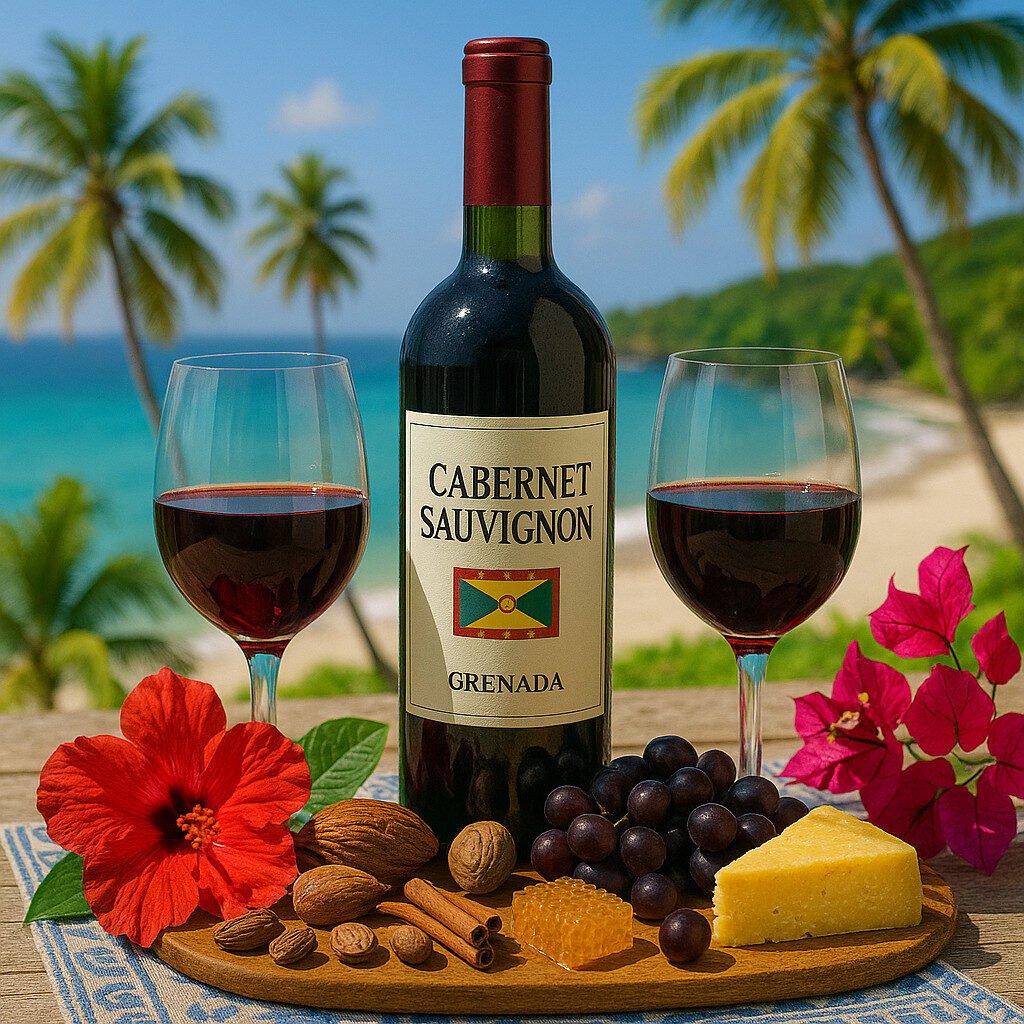
Discover the rich, full-bodied Cabernet Sauvignon from Grenada. Enjoy its bold flavors and smooth finish in every glass.
Cabernet Sauvignon from Grenada: Taste and Varieties Read More »
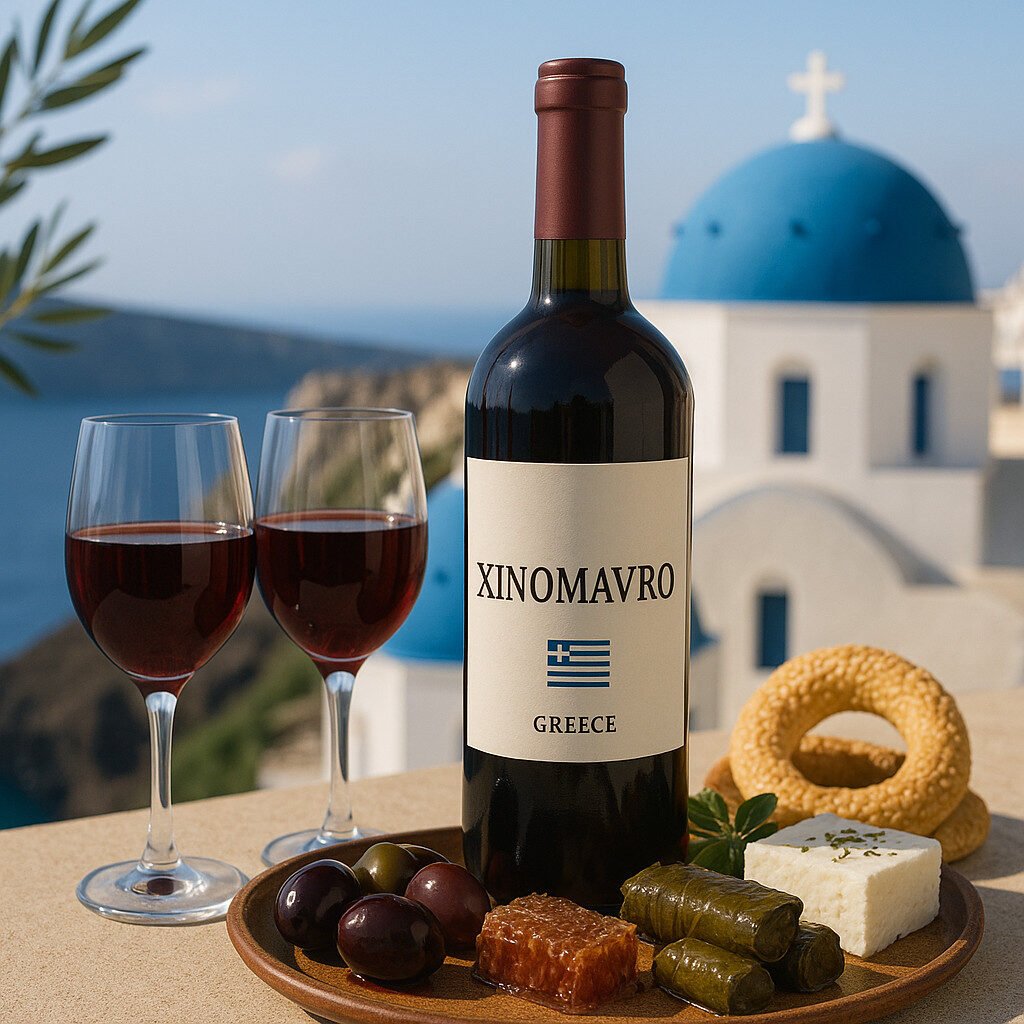
Discover Xinomavro, Greece’s bold red wine. Experience its complex flavors of dark fruit and spice, perfect for pairing with rich dishes.
Xinomavro Red Wine from Greece: Taste and Varieties Read More »