Drought Resistant
Drought resistant grape varieties are essential for sustainable viticulture in regions facing water scarcity and climate change.
Key Drought Resistant Grape Varieties
Grenache and Mourvèdre are classic Mediterranean grapes known for thriving in hot, dry conditions. They develop deep root systems to access water and produce concentrated, flavorful berries. These varieties are often used in blends to add structure and complexity to wines.
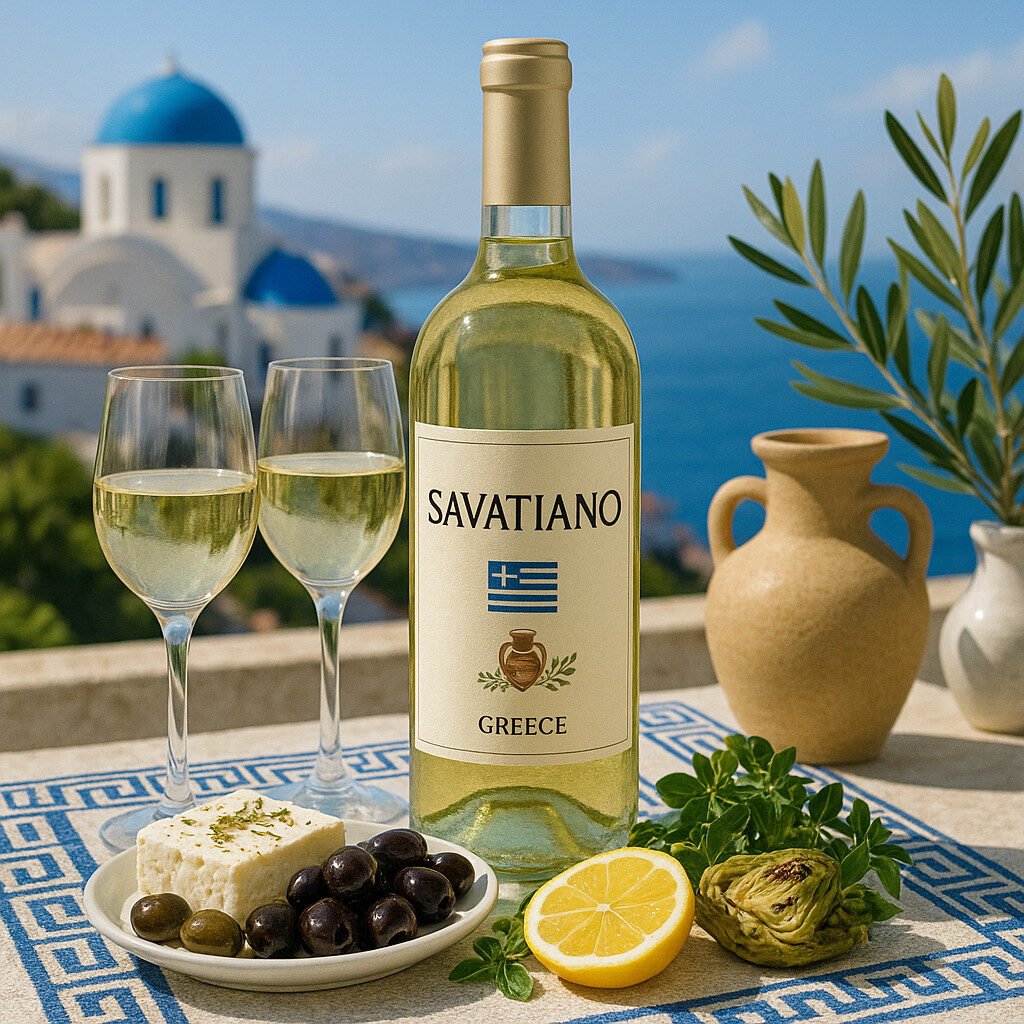
Other notable drought-tolerant grapes include Assyrtiko from Santorini and Aglianico from southern Italy. They have adapted to volcanic or poor soils with minimal irrigation. Wines from these grapes typically show intense minerality and robust tannins.
Impact on Wine Regions and Styles
Regions like Spain's Priorat and Australia's Barossa Valley benefit from drought resistant varieties due to their arid climates. These areas produce powerful, full-bodied red wines with high alcohol and ripe fruit flavors. The stress on vines often leads to lower yields but higher quality grapes.
In white wines, drought resistance can result in crisp, high-acid styles with pronounced aromatics. For example, Assyrtiko yields wines with citrus and saline notes, perfect for warm weather drinking. This adaptability helps maintain production in increasingly dry conditions.
Tasting Notes and Food Pairing
Wines from drought resistant grapes often feature bold flavors like dark berries, spice, and earthy notes. They tend to have firm tannins and a long finish, making them age-worthy. These characteristics pair well with hearty dishes such as grilled meats and stews.
Lighter styles, like those from Grenache or Assyrtiko, complement Mediterranean cuisine including roasted vegetables and seafood. Their acidity and minerality cut through rich flavors, enhancing the dining experience. Overall, these wines offer versatility and resilience in both the vineyard and the glass.