Mavrodaphne Red Wine from Greece: Taste and Production
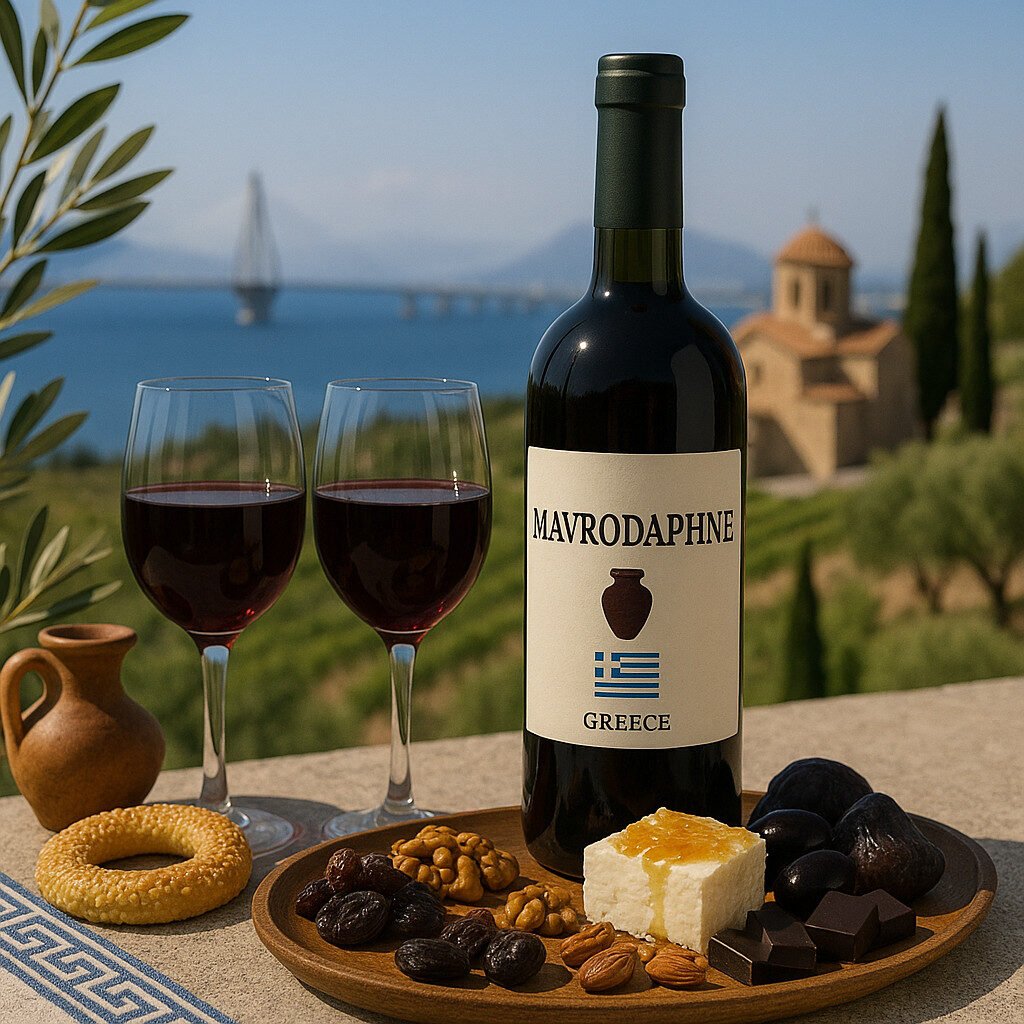
Discover Mavrodaphne, a rich Greek dessert wine with sweet, dark fruit flavors and a velvety finish.
Mavrodaphne Red Wine from Greece: Taste and Production Read More »

Part of the MyCheese.org Network
Part of the MyCheese.org Network
Dried-fruit notes in wine evoke rich, concentrated flavors reminiscent of raisins, figs, dates, or prunes, often resulting from specific winemaking techniques or grape ripening conditions.
Dried-fruit characteristics can develop naturally when grapes are left to raisinate on the vine under intense sun, concentrating sugars and flavors. Winemakers also achieve this profile by drying harvested grapes on mats or hanging them in well-ventilated rooms before fermentation. These methods, such as passito or appassimento, are traditional in regions like Italy's Veneto for Amarone and Recioto wines.
Fortified wines like Port or Vin Santo often exhibit dried-fruit notes due to fermentation being halted with spirits, preserving residual sugar. The extended aging in oak barrels can further enhance these flavors, adding complexity and depth. Such wines are typically rich and sweet, making them ideal for sipping slowly or pairing with desserts.
Grapes like Zinfandel, Grenache, and Muscat are prone to developing dried-fruit flavors, especially when grown in warm climates like California, southern France, or Australia. These varieties naturally achieve high sugar levels, which can translate into raisin or fig notes in the finished wine. Old-vine plantings often intensify these characteristics due to lower yields and more concentrated berries.
Italian varieties such as Corvina and Negroamaro are famous for their dried-fruit profiles in wines like Amarone della Valpolicella and Salice Salentino. The Mediterranean climate and appassimento technique used in these regions emphasize prune and cherry-raisin flavors. Similarly, Spanish Monastrell from Jumilla or Greek Xinomavro can show sun-dried fruit nuances when vinified with care.
Wines with dried-fruit aromas typically offer a palate of sweet spices, nuts, and honey, balancing acidity with lush texture. You might detect flavors of dried apricot in some white wines or fig compote in robust reds, often accompanied by a long, warming finish. These wines are generally full-bodied and best served at slightly cooler than room temperature to appreciate their complexity.
Pair dried-fruit forward wines with strong cheeses like Gorgonzola, dark chocolate desserts, or savory dishes such as roasted duck or game meats. The sweetness and intensity complement rich, fatty foods while cutting through their richness. For a harmonious match, consider serving them with fruit-based tarts or nutty pastries to echo the wine's inherent flavors.
Discover Mavrodaphne, a rich Greek dessert wine with sweet, dark fruit flavors and a velvety finish.
Mavrodaphne Red Wine from Greece: Taste and Production Read More »