German Riesling: A Crisp and Elegant White Wine
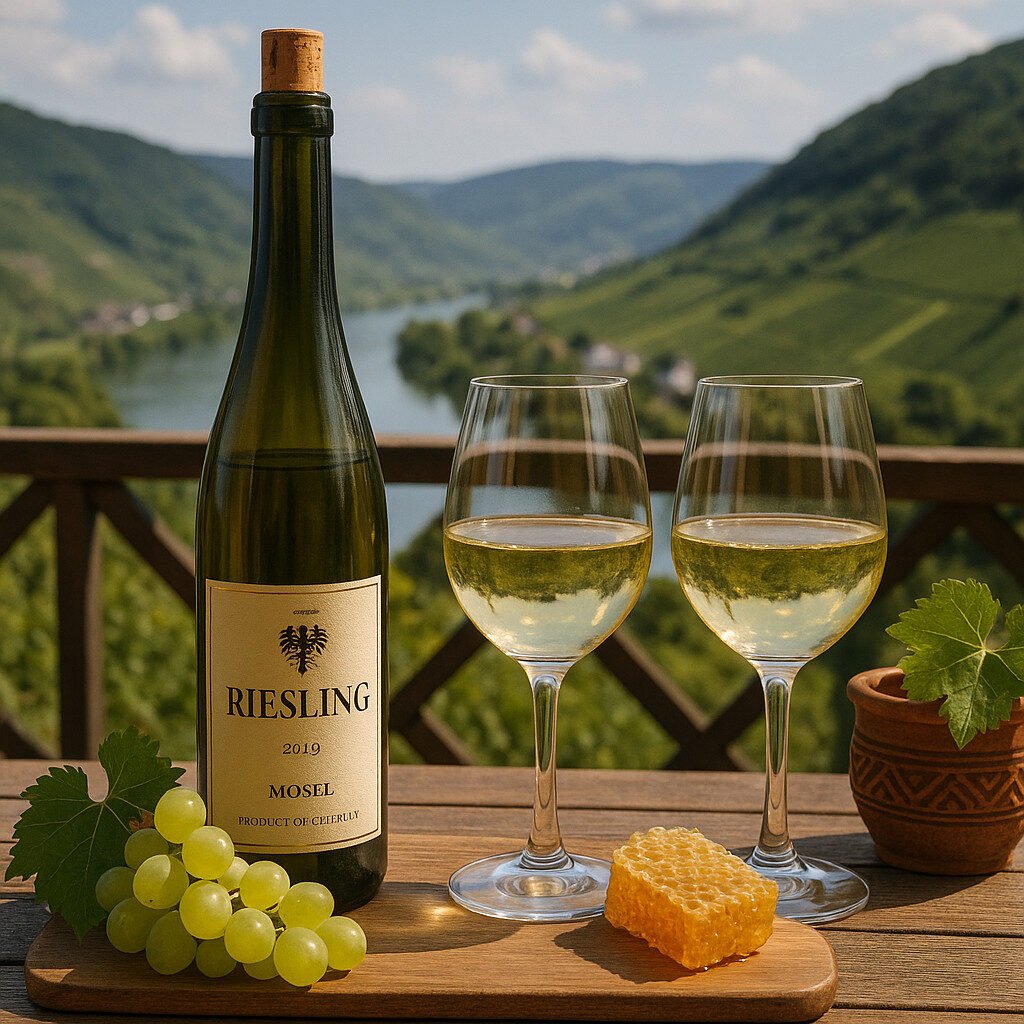
Discover German Riesling, a crisp and aromatic white wine celebrated for its vibrant acidity, fruity notes, and elegant minerality.
German Riesling: A Crisp and Elegant White Wine Read More »

Part of the MyCheese.org Network
Part of the MyCheese.org Network
Aromatic intensity in wine refers to the strength and complexity of the bouquet, which can range from subtle and delicate to powerful and explosive, often influenced by grape variety, terroir, and winemaking techniques.
Certain grape varieties are renowned for their aromatic intensity, such as Gewürztraminer with its lychee and rose petal notes or Sauvignon Blanc with its vibrant citrus and herbaceous character. These grapes naturally produce high levels of aromatic compounds that contribute to their distinctive and expressive profiles. Winemakers often handle them with care to preserve these volatile aromas during fermentation and aging.
Other aromatic stars include Muscat, known for its grapey and floral bouquet, and Viognier, which offers apricot and white flower scents. These varieties can create wines that are immediately captivating on the nose, making them popular choices for those seeking fragrant and lively drinking experiences. Their aromatic nature often makes them suitable for both dry and sweet wine styles.
Specific wine regions are celebrated for producing wines with exceptional aromatic intensity, often due to unique climatic conditions and soil types. For instance, the Alsace region in France is famous for its aromatic white wines like Riesling and Gewürztraminer, which thrive in the cool continental climate. The combination of sunny days and cool nights helps preserve acidity and develop complex aromatics in the grapes.
New World regions such as Marlborough in New Zealand have gained recognition for intensely aromatic Sauvignon Blanc, with its hallmark passionfruit and gooseberry notes. The maritime climate and ample sunshine in these areas encourage the development of vibrant fruit flavors and pronounced aromas. Similarly, cooler sites in regions like Oregon's Willamette Valley can yield Pinot Noir with delicate red fruit and floral bouquets.
When tasting wines with high aromatic intensity, the nose often provides a preview of the flavors to come, with layers of fruit, floral, and sometimes spicy notes. These wines can be enjoyed young to appreciate their primary aromas, though some may develop additional complexity with age. Tasters should swirl the glass gently to release the volatile compounds and take time to identify the different scent components.
Food pairing with aromatic wines involves matching the intensity of the dish with the wine's bouquet; for example, a spicy Gewürztraminer pairs well with Asian cuisine or dishes featuring ginger and lemongrass. Lighter aromatic wines like a floral Torrontés can complement seafood and salads, while richer examples such as oaked Viognier may stand up to creamy sauces or roasted poultry. The goal is to create harmony between the wine's aromatics and the food's flavors without either overpowering the other.
Discover German Riesling, a crisp and aromatic white wine celebrated for its vibrant acidity, fruity notes, and elegant minerality.
German Riesling: A Crisp and Elegant White Wine Read More »