
In this article
What Is Furmint from Hungary?
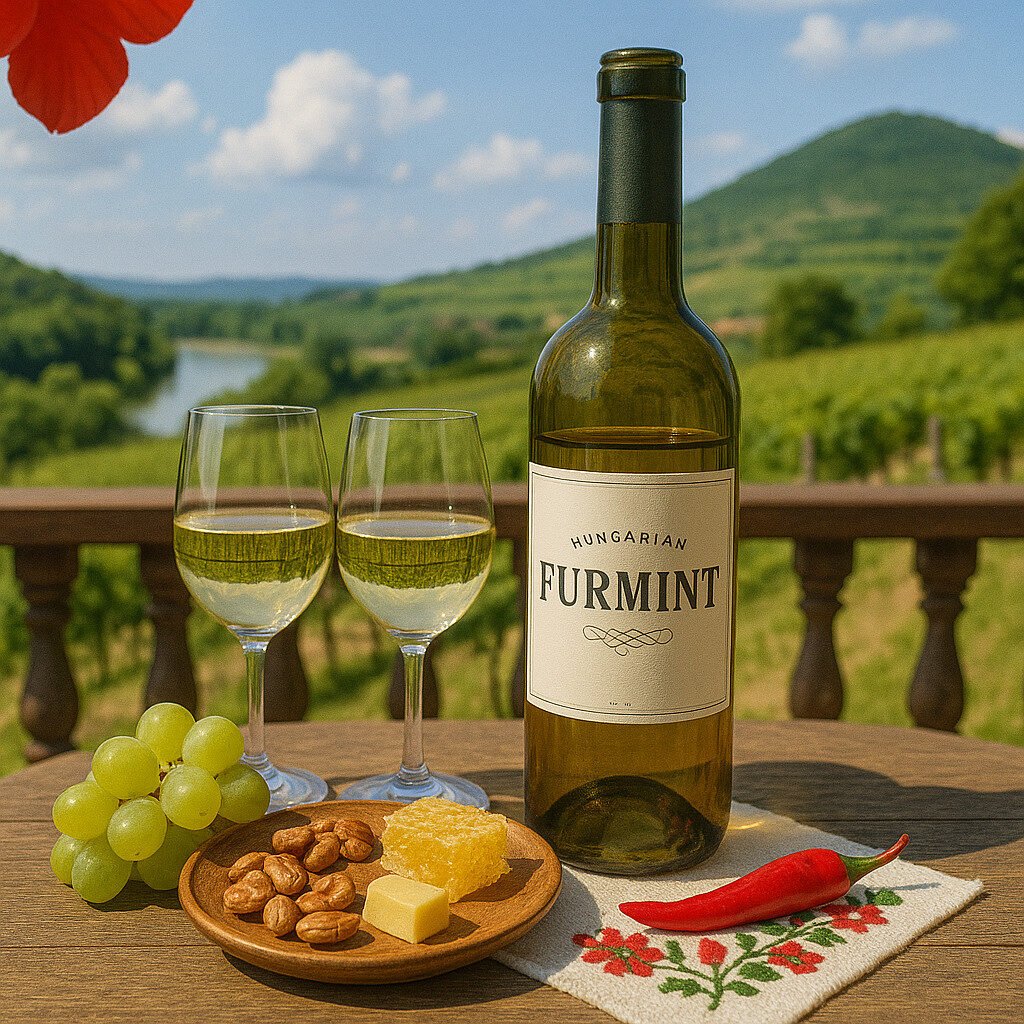
Furmint is a white grape variety indigenous to Hungary, primarily grown in the Tokaj region. It is most famous for producing sweet dessert wines but also makes excellent dry styles that showcase its versatility.
- Colour: Pale to deep gold, depending on style and age.
- Wine style: Still, both dry and sweet; also used in sparkling wines.
- Main grape varieties: Furmint is the primary variety, often blended with Hárslevelű and others in Tokaj.
- Sweetness level: Ranges from bone dry to lusciously sweet in Aszú wines.
- Acidity: High natural acidity, even in sweet versions.
- Tannin structure: Low to none, as it is a white wine.
- Alcohol range: 11% to 14% ABV for dry styles, up to 16% for sweet ones.
- Body: Medium to full body.
- Typical serving temperature: 10-12°C for dry, 8-10°C for sweet.
- Protected status: Tokaj region has PDO (Protected Designation of Origin) under EU law.
Furmint grapes have thick skins that allow for late harvesting and the development of Botrytis cinerea, or noble rot. This process concentrates sugars and acids, creating the signature honeyed flavors of Tokaji Aszú. Dry Furmint wines showcase citrus and mineral notes with a crisp finish that appeals to wine enthusiasts seeking complexity.
Where and How Furmint from Hungary Is Made
Furmint is predominantly cultivated in the Tokaj wine region of northeastern Hungary, a UNESCO World Heritage site. The region’s volcanic soils and continental climate with warm summers and humid autumns are ideal for the grape, promoting optimal ripening and noble rot development. Key appellations include Tokaj-Hegyalja, which is protected as a PDO, ensuring strict production standards.
Vineyards are often planted on south-facing slopes to maximize sun exposure and air circulation, reducing disease pressure. The production philosophy emphasizes minimal intervention, allowing the terroir to express itself through the wine. Many producers use organic or biodynamic practices to enhance quality and sustainability in Furmint winemaking.
- Vineyard work: Pruning in winter, canopy management in spring to ensure air circulation. Harvest typically occurs from late September to November, with selective picking for Aszú wines to choose botrytized berries.
- Grape selection: Hand-harvesting is common, especially for sweet wines, to select only the best clusters. For dry Furmint, mechanical harvesting is sometimes used for efficiency.
- Destemming and crushing: Grapes are destemmed and gently crushed to avoid bitter tannins. For Aszú, whole clusters may be used or pressed without crushing to preserve delicate flavors.
- Maceration: Skin contact is minimal for dry wines, usually a few hours at 10-15°C. For sweet wines, maceration can last days to extract sugars and aromas from botrytized grapes.
- Fermentation: Occurs in stainless steel tanks or oak barrels at controlled temperatures of 14-18°C. Wild yeasts are often used for complexity, with fermentation lasting 2-4 weeks.
- Malolactic fermentation: Not always conducted for dry Furmint to preserve acidity; common in some styles to soften the wine and add buttery notes.
- Maturation: Dry Furmint ages in tank or used oak for 6-12 months. Sweet Aszú wines mature in small oak barrels for several years, up to 10 or more, developing complexity.
- Clarification: Natural settling or fining with bentonite; minimal filtration to retain character and avoid stripping flavors.
- Bottling: After aging, wines are bottled and may undergo further bottle aging before release to integrate components.
Traditional methods involve long aging in oak and reliance on natural processes, while modern approaches might use temperature-controlled fermentation and earlier bottling for fresher styles. Artisanal producers focus on small batches and terroir expression, whereas mass-market versions may prioritize consistency and quicker turnover with more technological interventions.
Flavor Profile: What Makes Furmint from Hungary Special?
Furmint wines display a vibrant pale gold colour with greenish hues in youth, deepening to amber in aged examples. Their aroma profile includes intense notes of citrus fruits like lemon and grapefruit, along with floral hints of acacia and elderflower. Earthy undertones of wet stone and minerality are common, derived from the volcanic soils of Tokaj, adding depth to the bouquet.
On the palate, dry Furmint offers high acidity that balances its medium to full body, with flavors of green apple, pear, and a touch of spice. Sweet versions exhibit honey, apricot, and marmalade notes, with a luscious texture yet refreshing finish due to the acidity. Oak aging adds complexity with vanilla, toast, and nutty elements, while bottle development brings out tertiary flavors like petrol and ginger, showcasing Furmint’s evolution over time.
Quality Labels and Certifications for Wine from Hungary
As far as current information suggests, the primary quality label for Furmint wines is the Tokaj PDO (Protected Designation of Origin), which regulates production in the Tokaj region. This ensures that wines meet strict criteria regarding grape varieties, vineyard practices, and winemaking methods, preserving authenticity. Other Hungarian wines may carry PGI (Protected Geographical Indication) labels for broader regional designations, though Furmint is most closely tied to Tokaj.
Additionally, some producers adopt organic or biodynamic certifications, such as those from EU organic standards or Demeter, as far as can be verified at present. Sustainability initiatives are growing, with labels like “Sustainable Winegrowing” appearing on bottles to indicate environmental care. These certifications help consumers identify Furmint wines made with traditional integrity and minimal chemical inputs, enhancing trust in quality.
Cheese Pairings
Furmint pairs excellently with a variety of cheeses, thanks to its acidity and flavor complexity that cut through richness. Local Hungarian cheeses like Trappista or Pálpusztai complement dry Furmint with their semi-soft texture and mild saltiness, enhancing the wine’s citrus and mineral notes. The wine’s high acidity balances the fat content, making it ideal for cheese boards where creamy and aged varieties are featured.
Internationally, aged Gouda or Comté work well with sweet Furmint, as their nutty flavors mirror the wine’s honeyed characteristics and create a harmonious blend. Blue cheeses such as Roquefort can be balanced by the sweetness and acidity, preventing overwhelming saltiness in the pairing. In cooked dishes, Furmint can be used in sauces for cheese fondues or baked brie, where its body and structure stand up to melted, rich flavors without overpowering them.
Suitable Fruit and Vegetables
Fresh fruits like apples, pears, and citrus segments pair beautifully with dry Furmint in salads, as their crisp acidity matches the wine’s vibrant character and enhances its refreshing qualities. Roasted vegetables such as bell peppers or zucchini bring out the wine’s herbal notes when served as side dishes, adding depth to the meal. Dried apricots or figs accentuate the sweetness in dessert-style Furmint, making them ideal for cheese boards or standalone snacks that highlight the wine’s complexity.
In main dishes, Furmint complements vegetable stews with root vegetables like carrots and parsnips, where its minerality shines and balances earthy flavors. Asparagus and artichokes, often challenging for wine pairings, work well with Furmint due to its high acidity cutting through their bitterness and creating a pleasant contrast. The wine’s versatility allows it to enhance both raw and cooked plant-based dishes, from light salads to hearty casseroles, without dominating the ingredients.
Suitable Meat and Fish dishes
For cold servings, Furmint pairs wonderfully with chicken or turkey charcuterie, where its acidity balances the meat’s richness and highlights subtle spices. Fish carpaccio, such as salmon or tuna, is elevated by the wine’s citrus and mineral notes, adding brightness to the delicate textures. In hot dishes, roasted chicken or pork with herbs mirrors Furmint’s aromatic profile, creating a cohesive dining experience that sommeliers often recommend.
Grilled white fish like sea bass or halibut harmonize with dry Furmint, as the wine’s body supports the delicate flavors and its acidity cleanses the palate. Hearty stews with lamb or beef benefit from the wine’s structure and acidity, especially in traditional Hungarian cuisine where Furmint is a native choice. Pasta dishes with cream-based sauces or seafood are also excellent matches, showcasing Furmint’s adaptability to both light and rich meat and fish preparations.
Questions and Answers
How should I store Furmint wine?
Store Furmint wine in a cool, dark place at 12-14°C with consistent humidity. Keep bottles horizontal to maintain cork moisture and prevent oxidation. Furmint can age for years if stored properly, developing more complex flavors over time.
What is the ideal serving temperature for Furmint?
Serve dry Furmint at 10-12°C and sweet Furmint at 8-10°C to highlight its acidity and aromas. Chilling Furmint too much can mute its flavors, so avoid over-cooling. This temperature range ensures the wine’s balance and refreshment on the palate.
Should I decant Furmint wine?
Decanting Furmint is recommended for older vintages or complex sweet styles to aerate and open up flavors. Young dry Furmint may not need decanting, as it is often vibrant and fresh. Pour Furmint slowly to avoid disturbing any sediment in aged bottles.
How long can I chill Furmint before serving?
Chill Furmint in the refrigerator for 1-2 hours before serving to reach the ideal temperature. Do not over-chill Furmint, as it can lose its aromatic complexity and subtle notes. Sweet Furmint may benefit from slight warming after chilling to enhance its honeyed characteristics.
What foods pair best with Furmint?
Furmint pairs well with spicy Asian cuisine, roasted meats, and creamy cheeses due to its acidity and flavor profile. Its high acidity cuts through rich dishes, making it versatile for various meals. Sweet Furmint complements desserts like fruit tarts or foie gras, balancing sweetness with freshness.
Where can I buy Furmint wine?
Furmint is available in specialty wine shops, online retailers, and some supermarkets with good selections. Look for bottles from reputable Tokaj producers to ensure quality and authenticity. Furmint from Hungary is exported worldwide, making it accessible in many markets.
What is the shelf life of Furmint after opening?
Opened Furmint lasts 3-5 days in the refrigerator with a cork or stopper to preserve freshness. Use a vacuum sealer to extend its life by reducing oxygen exposure. Sweet Furmint may last longer due to higher sugar content acting as a natural preservative.
Does Furmint have aging potential?
Furmint has excellent aging potential, especially sweet Aszú wines that can improve for decades in the bottle. Dry Furmint ages well for 5-10 years, developing deeper flavors and smoother texture. Aging Furmint allows tertiary notes like petrol and ginger to emerge, adding complexity.
How should I handle leftover Furmint?
Store leftover Furmint in a sealed bottle in the fridge to maintain its quality for a few days. Use it in cooking, such as deglazing pans for sauces or marinating meats, to add acidity. Furmint can also be frozen in ice cubes for future use in cocktails or dishes without waste.
Can Furmint be used in cooking?
Furmint is great in cooking, adding bright acidity to sauces, marinades, and deglazing liquids. Use dry Furmint for savory dishes like chicken or fish to enhance flavors without overpowering. Sweet Furmint works well in desserts or glazes, providing a balanced sweetness and aromatic depth.
Similar Wines and Alternatives
Furmint from Hungary shares similarities with other high-acidity white wines like Riesling from Germany or Austria, both offering vibrant citrus and mineral notes. However, Furmint often has a fuller body and more pronounced stone fruit flavors, making it distinct in texture and intensity. Alternatives from Hungary include Hárslevelű, which is softer and more aromatic, often blended with Furmint in Tokaj wines for balance.
From other regions, Chenin Blanc from France’s Loire Valley provides comparable acidity and versatility between dry and sweet styles, though it may lack Furmint’s volcanic minerality. Albariño from Spain offers a coastal salinity but generally has less aging potential and a lighter body than Furmint. In terms of price and availability, Furmint can be more affordable than top-tier Rieslings, making it an accessible choice for enthusiasts seeking complexity without high cost, especially in specialty wine shops.