
In this article
What Is Silvaner from Germany?
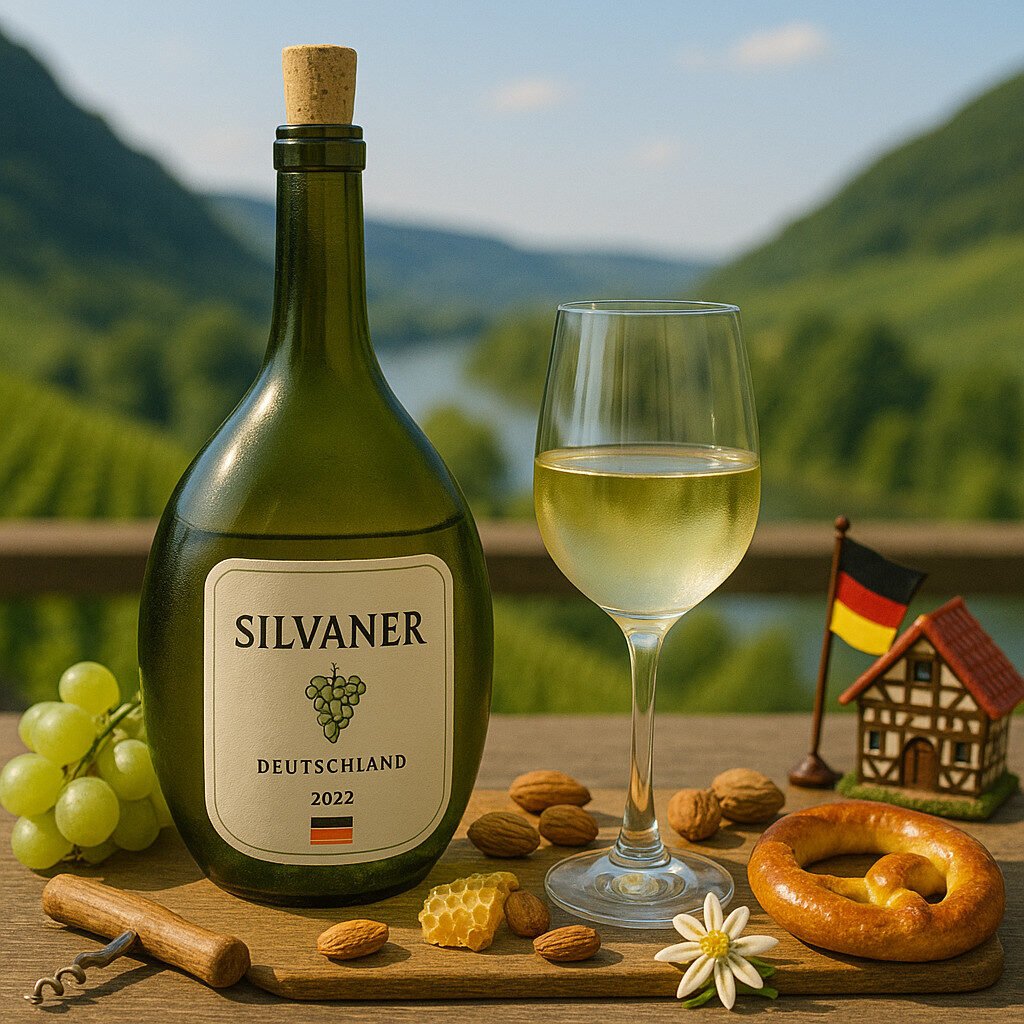
Silvaner is a traditional white grape variety cultivated extensively in Germany’s wine regions. It yields wines celebrated for their balance and versatility at the table.
- Colour: Pale straw yellow with green reflections.
- Wine style: Still white wine.
- Main grape varieties: Silvaner (also spelled Sylvaner).
- Sweetness level: Typically dry to off-dry, but can span trocken to halbtrocken.
- Acidity: Bright and crisp, with high natural acidity.
- Tannin structure: Very low, as is common in white wines.
- Alcohol range: 11% to 13.5% by volume.
- Body: Light to medium body.
- Typical serving temperature: 8°C to 10°C.
- Protected status: Often holds Qualitätswein status under German wine law, with specific designations like Franken Silvaner under protected geographical indications.
Silvaner thrives in Germany’s cooler climates, where it develops a distinct mineral character. The grape’s thick skin helps it resist disease in humid conditions. Winemakers prize Silvaner for its ability to reflect the soil composition in the finished wine.
Where and How Silvaner from Germany Is Made
Silvaner production centers on regions like Franken, Rheinhessen, and Pfalz in Germany. These areas feature a continental climate with warm summers and cool nights, ideal for slow ripening. Soils vary from shell limestone in Franken to loess and clay in Rheinhessen, imparting unique mineral notes. The philosophy often emphasizes minimal intervention to highlight terroir.
Vineyards are typically planted on south-facing slopes to maximize sun exposure. Many producers adhere to sustainable practices, reducing chemical inputs. This approach ensures the grape’s delicate aromas remain intact from vine to bottle.
- Vineyard work includes meticulous canopy management and green harvesting in summer to control yields and improve grape quality.
- Grape selection occurs by hand during harvest, usually from late September to mid-October, ensuring only healthy clusters are picked.
- Harvest timing is critical, with potential for Spätlese or Auslese designations if grapes reach higher sugar levels.
- Destemming and crushing involve gentle pressing to avoid bitter tannins from skins, often using pneumatic presses.
- Maceration is minimal or avoided for Silvaner, with juice separated quickly from solids to preserve freshness.
- Fermentation takes place in stainless steel tanks or large oak casks at controlled temperatures of 16°C to 18°C for 10 to 21 days.
- Malolactic fermentation is typically prevented to maintain the wine’s vibrant acidity and crisp finish.
- Maturation occurs in neutral vessels like stainless steel or old oak barrels for 3 to 6 months, enhancing complexity without oak flavor.
- Clarification involves light fining with bentonite or filtering to achieve brilliance while retaining aroma compounds.
- Bottling happens early, often within 6 months of harvest, to capture the wine’s youthful fruit character.
Traditional methods might include longer lees contact and use of large wooden fuders for maturation, adding texture. Modern producers often prefer stainless steel fermentation to emphasize purity and fruitiness. Artisanal wineries may hand-harvest and use native yeasts, while larger operations focus on efficiency and consistency.
Flavor Profile: What Makes Silvaner from Germany Special?
Silvaner displays a pale yellow hue with slight green tints and moderate viscosity in the glass. Its aroma profile combines citrus notes like lemon and grapefruit with green apple, white peach, and subtle herbal hints of chamomile or fresh grass. The wine’s flavor intensity is medium, with a dry to off-dry palate that highlights its high acidity and clean, mineral-driven finish.
Factors such as grape ripeness influence the sweetness, with warmer vintages yielding richer stone fruit flavors. Oak treatment is rare, allowing the varietal character to shine through. Aging potential is limited, with most Silvaners best consumed young to enjoy their vibrant acidity and delicate aromas.
Quality Labels and Certifications for Wine from Germany
German Silvaner often falls under the Qualitätswein category, which requires grapes from specific regions and adherence to quality standards, as far as current information suggests. Appellations like Franken Silvaner carry protected geographical indication status, ensuring origin and production methods. The VDP classification system, used by many top estates, includes designations like Grosse Lage for premier vineyard sites.
Organic certifications such as Ecovin or EU Organic are increasingly common, promoting sustainable viticulture. As far as can be verified at present, these labels guarantee reduced pesticide use and environmentally friendly practices. Consumers can look for these marks to identify wines made with careful attention to ecological balance.
Cheese Pairings
Silvaner pairs excellently with fresh, mild cheeses like goat cheese or mozzarella due to its crisp acidity cutting through the creaminess. The wine’s mineral notes complement the saltiness of younger cheeses, while its light body avoids overwhelming delicate flavors. Classic German pairings include Handkäse, a sour milk cheese, where the wine’s acidity balances the tanginess.
For international options, try Silvaner with semi-hard cheeses such as Gouda or Emmental, where its acidity contrasts the fat content. In cooked dishes, incorporate it with ricotta in pasta or baked brie, as the wine’s freshness lifts rich textures. Avoid strongly aged or blue cheeses, which can dominate Silvaner’s subtle profile.
Suitable Fruit and Vegetables
Fresh fruits like apples, pears, and citrus segments enhance Silvaner’s inherent fruitiness in salads or as garnishes. The wine’s acidity pairs well with the slight bitterness of arugula or endive in vegetable dishes. Cooked vegetables such as asparagus or artichokes, common in German cuisine, are ideal matches due to Silvaner’s mineral undertones.
Dried fruits like apricots or figs can be used in chutneys to add sweetness that contrasts the wine’s dry character. In main courses, roasted root vegetables or zucchini bring out earthy notes in Silvaner. The key is to balance the wine’s crispness with the natural sugars and textures of the produce.
Suitable Meat and Fish dishes
For cold servings, Silvaner complements delicate dishes like trout carpaccio or chicken salad, where its acidity cleanses the palate. Charcuterie plates with mild sausages or ham allow the wine’s herbal notes to shine without conflict. The light body of Silvaner makes it versatile for appetizers and light lunches.
Hot dishes such as grilled white fish, pork schnitzel, or veal stew are traditional pairings, as the wine’s acidity cuts through richer flavors. In pasta or casseroles, use Silvaner with cream-based sauces or mushroom ragouts to enhance umami elements. Avoid heavily spiced or smoked meats, which can overwhelm the wine’s subtle complexity.
Questions and Answers About Silvaner from Germany
How should I store Silvaner from Germany?
Store Silvaner from Germany in a cool, dark place at 10°C to 15°C with stable humidity. Keep bottles horizontal if cork-sealed to maintain moisture. Avoid temperature fluctuations to preserve the wine’s freshness.
What is the ideal serving temperature for Silvaner from Germany?
Serve Silvaner from Germany chilled between 8°C and 10°C. This temperature highlights its crisp acidity and aromatic profile. Use an ice bucket or refrigerator for about two hours before serving.
Does Silvaner from Germany benefit from decanting?
Decanting Silvaner from Germany is generally not necessary due to its youthful nature. However, older bottles might open up with 15 minutes of aeration. This can enhance subtle aromas in complex examples.
How long can I keep an opened bottle of Silvaner from Germany?
An opened bottle of Silvaner from Germany lasts 2 to 3 days if recorked and refrigerated. Use a vacuum pump to remove air and slow oxidation. Consume it quickly to enjoy its vibrant character.
What foods pair best with Silvaner from Germany?
Silvaner from Germany pairs well with light dishes like salads, seafood, and white meats. Its acidity complements creamy sauces and vegetable-based meals. Avoid overly spicy or sweet foods that may clash.
Can Silvaner from Germany age in the bottle?
Silvaner from Germany is best consumed young, within 1 to 3 years of vintage, for optimal freshness. Some premium examples from top sites can age up to 5 years, developing honeyed notes.
Where can I buy Silvaner from Germany?
Purchase Silvaner from Germany at specialty wine shops, online retailers, or directly from German wineries. Look for importers focusing on European wines for a wider selection.
How do I handle leftovers of Silvaner from Germany?
For leftovers of Silvaner from Germany, transfer to a smaller container to minimize air exposure. Refrigerate immediately and use within a couple of days for cooking or drinking.
What is the alcohol content range for Silvaner from Germany?
Silvaner from Germany typically has an alcohol content between 11% and 13.5% by volume. This range supports its light to medium body and food-friendly nature.
How does Silvaner from Germany compare to Riesling?
Silvaner from Germany is often less aromatic and more neutral than Riesling, with lower acidity. It offers a earthier, mineral-driven profile compared to Riesling’s pronounced fruitiness. Both are versatile with food.
Similar Wines and Alternatives
Riesling from Germany serves as a close alternative, sharing high acidity but with more pronounced floral and petrol notes. Grüner Veltliner from Austria offers similar pepper and citrus flavors, though it often has a fuller body. For a lighter option, Pinot Blanc from Alsace provides a comparable crispness and food versatility at a similar price point.
Chardonnay from Burgundy can be substituted if oak-aged, but unoaked versions mirror Silvaner’s mineral style. Albariño from Spain shares the bright acidity and coastal influence, ideal for seafood pairings. These alternatives are widely available in shops, with Silvaner often being more affordable and accessible in European markets.